 Back
BackOverview of Human Organ Systems and Medical Imaging
Study Guide - Smart Notes
 Tailored notes based on your materials, expanded with key definitions, examples, and context.
Overview of Human Organ Systems
Introduction
The human body is composed of multiple organ systems, each with specialized structures and functions that work together to maintain homeostasis and support life. Understanding these systems is fundamental to the study of anatomy and physiology.
Major Organ Systems
Integumentary System: Provides protection, regulates temperature, and prevents water loss. Includes skin, hair, and nails.
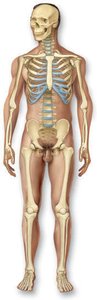
Skeletal System: Supports the body, protects organs, and enables movement. Composed of bones, cartilage, and joints.
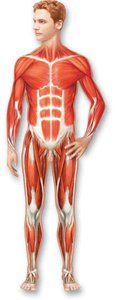
Muscular System: Allows movement, maintains posture, and produces heat. Includes skeletal, cardiac, and smooth muscles.
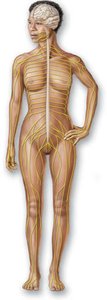
Nervous System: Fast-acting control system that responds to internal and external changes. Consists of the brain, spinal cord, and nerves.
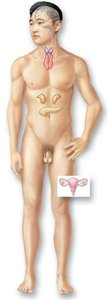
Endocrine System: Glands secrete hormones that regulate growth, metabolism, and reproduction.
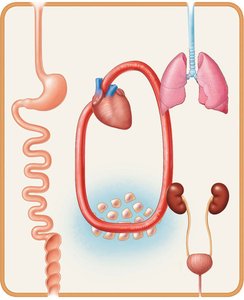
Cardiovascular System: Transports blood, nutrients, gases, and wastes. Includes the heart and blood vessels.
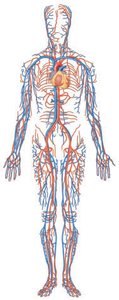
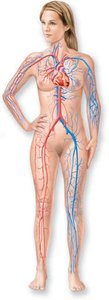
Lymphatic System: Returns leaked fluids to blood, defends against pathogens. Includes lymph nodes and vessels.

Respiratory System: Supplies blood with oxygen and removes carbon dioxide. Includes lungs and airways.
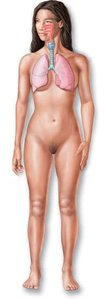
Digestive System: Breaks down food, absorbs nutrients, and eliminates waste. Includes the mouth, esophagus, stomach, intestines, and accessory organs.
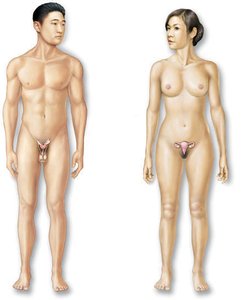
Urinary System: Eliminates nitrogenous wastes, regulates water and electrolytes. Includes kidneys, ureters, bladder, and urethra.
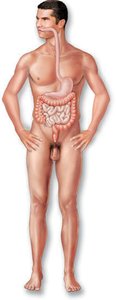
Reproductive System: Produces offspring. Includes testes, ovaries, and associated structures.

Body Organization and Integration
Each organ system interacts with others to maintain the body's internal environment. For example, the cardiovascular system transports hormones produced by the endocrine system, and the muscular system relies on the skeletal system for movement.
Medical Imaging in Anatomy & Physiology
Introduction to Medical Imaging
Medical imaging techniques are essential for visualizing internal structures and diagnosing diseases. Common modalities include X-ray, CT, MRI, PET, ultrasound, and bone densitometry.
Types of Medical Imaging
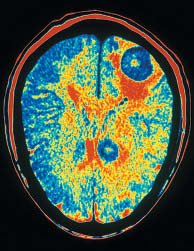
Positron Emission Tomography (PET): Visualizes metabolic activity, such as glucose metabolism in the brain. Useful in diagnosing Alzheimer's disease and brain tumors.
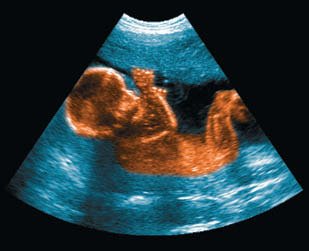
Ultrasound (Sonogram): Uses sound waves to create images of soft tissues, commonly used in obstetrics.
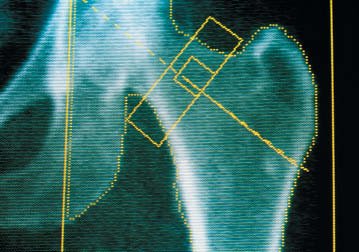
Bone Densitometry: Measures bone density to diagnose osteoporosis.
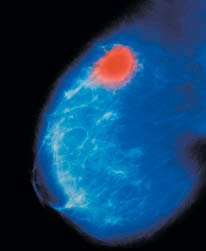
Mammography: Specialized X-ray for detecting breast cancer.
Applications and Importance
Imaging allows non-invasive examination of internal organs and tissues.
Helps in early detection and treatment of diseases such as cancer, osteoporosis, and neurological disorders.
Different imaging modalities are chosen based on the tissue type and clinical question.
Summary Table: Major Human Organ Systems
Organ System | Main Structures | Primary Functions |
|---|---|---|
Integumentary | Skin, hair, nails | Protection, temperature regulation, sensation |
Skeletal | Bones, cartilage, joints | Support, movement, protection, blood cell formation |
Muscular | Skeletal muscles | Movement, posture, heat production |
Nervous | Brain, spinal cord, nerves | Control, coordination, response to stimuli |
Endocrine | Glands (pituitary, thyroid, etc.) | Hormone production, regulation of growth and metabolism |
Cardiovascular | Heart, blood vessels | Transport of nutrients, gases, wastes |
Lymphatic | Lymph nodes, vessels, spleen | Fluid balance, immunity |
Respiratory | Lungs, trachea, bronchi | Gas exchange (O2/CO2) |
Digestive | Mouth, esophagus, stomach, intestines | Breakdown and absorption of nutrients |
Urinary | Kidneys, ureters, bladder, urethra | Excretion of wastes, water and electrolyte balance |
Reproductive | Testes, ovaries, uterus, etc. | Production of offspring |
Example: Cardiovascular System
Definition: The cardiovascular system consists of the heart and blood vessels, responsible for circulating blood throughout the body.
Functions:
Delivers oxygen and nutrients to tissues
Removes waste products
Helps regulate body temperature
Clinical Application: Imaging techniques such as CT, MRI, and ultrasound are used to assess heart function and detect vascular diseases.
Example: Muscular System
Definition: The muscular system is composed of skeletal muscles that produce movement and maintain posture.
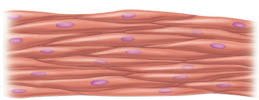
Structure: Skeletal muscle fibers are long, cylindrical, and multinucleated.
Function: Contraction of muscles enables voluntary movements, such as playing sports.

Example: Nervous System
Definition: The nervous system is the body's fast-acting control system, consisting of the brain, spinal cord, and peripheral nerves.
Function: Detects and responds to stimuli, coordinates body activities.
Imaging: PET and MRI scans are used to visualize brain activity and diagnose neurological disorders.
Additional info:
Medical imaging is a rapidly advancing field, with new techniques improving diagnostic accuracy and patient outcomes.
Understanding the structure and function of each organ system is essential for interpreting medical images and recognizing pathological changes.
