 Back
BackThe Skeletal System: Bone Growth, Remodeling, and Repair
Study Guide - Smart Notes
 Tailored notes based on your materials, expanded with key definitions, examples, and context.
The Skeletal System
Bone Growth and Development
Bone growth and development are essential processes that allow the human skeleton to mature, adapt, and repair itself throughout life. These processes involve the transformation of cartilage into bone, the increase in bone length and diameter, and the continuous remodeling of bone tissue.
Ossification (Osteogenesis): The process by which bone forms. There are two main types: intramembranous ossification (directly from mesenchyme) and endochondral ossification (from a cartilage model).
Endochondral Ossification: Most bones, especially long bones, develop from hyaline cartilage templates. The cartilage is gradually replaced by bone tissue.
Epiphyseal Plate: Also known as the growth plate, this region of cartilage allows for longitudinal bone growth during childhood and adolescence.
Appositional Growth: Bones increase in diameter through the addition of new bone tissue at the surface.
Closure of Epiphyseal Plates: When growth plates ossify, longitudinal growth ceases, typically after puberty.
Bone Remodeling
Bone remodeling is a lifelong process where mature bone tissue is removed from the skeleton (bone resorption) and new bone tissue is formed (ossification). This process is crucial for bone health, repair, and adaptation to stress.
Osteoclasts: Cells that break down bone tissue, releasing minerals into the blood.
Osteoblasts: Cells that build new bone tissue by secreting bone matrix.
Remodeling Cycle: Involves resorption by osteoclasts followed by formation by osteoblasts.
Purpose: Maintains bone strength, regulates calcium and phosphate levels, and repairs micro-damage.
Bone Repair
Bone repair is the process by which bone heals after a fracture. It involves several stages that restore the bone's structure and function.
Hematoma Formation: Blood clot forms at the fracture site.
Fibrocartilaginous Callus Formation: Soft callus made of collagen and cartilage bridges the broken bone ends.
Bony Callus Formation: Osteoblasts replace the soft callus with spongy bone.
Bone Remodeling: The bony callus is remodeled into compact bone, restoring the bone's original shape.
Factors Affecting Bone Growth and Remodeling
Several factors influence bone growth and remodeling, including hormones, nutrition, and mechanical stress.
Hormones: Growth hormone, thyroid hormone, sex hormones (estrogen and testosterone), and parathyroid hormone all play roles in regulating bone growth and remodeling.
Nutrition: Adequate intake of calcium, vitamin D, and protein is essential for healthy bone development.
Mechanical Stress: Physical activity and weight-bearing exercise stimulate bone formation and increase bone density.
Disorders of Bone Growth and Remodeling
Abnormalities in bone growth and remodeling can lead to various skeletal disorders.
Osteoporosis: Characterized by decreased bone mass and increased fracture risk due to excessive bone resorption.
Osteomalacia/Rickets: Softening of bones due to vitamin D deficiency, leading to inadequate mineralization.
Gigantism and Dwarfism: Result from abnormal secretion of growth hormone during development.
Summary Table: Key Cells in Bone Remodeling
Cell Type | Function |
|---|---|
Osteoblast | Builds bone matrix |
Osteoclast | Resorbs (breaks down) bone |
Osteocyte | Maintains bone tissue |
Relevant Equations
Calcium Homeostasis: The balance of calcium is regulated by hormones such as parathyroid hormone (PTH) and calcitonin.
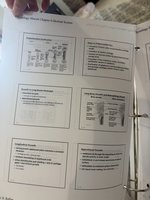
Additional info: The above notes synthesize and expand upon the content visible in the provided slides, filling in academic context for clarity and completeness.
