
Ch. 10 Muscle Tissue and Physiology
Amerman - Human Anatomy & Physiology 2nd Edition
Amerman2nd EditionHuman Anatomy & PhysiologyISBN: 9780136873822Not the one you use?Change textbook
Chapter 10, Problem 14

Muscle tone is:
a. The result of voluntary shortening of the muscle.
b. The result of a small amount of involuntary activation of motor units by the nervous system.
c. Abnormal—a person's muscles should be relaxed normally.
d. Present only where there is damage to the nervous system.

Verified step by step guidance
1
Understand the concept of muscle tone: Muscle tone refers to the continuous and passive partial contraction of muscles, which helps maintain posture and readiness for action.
Recall that muscle tone is maintained by the nervous system through the involuntary activation of motor units. This ensures that muscles are never completely relaxed, even at rest.
Eliminate incorrect options: Option (a) is incorrect because muscle tone is not the result of voluntary shortening; it is involuntary. Option (c) is incorrect because muscle tone is normal and necessary for posture and function. Option (d) is incorrect because muscle tone is not limited to cases of nervous system damage.
Focus on the correct option: Option (b) aligns with the definition of muscle tone, as it involves the involuntary activation of motor units by the nervous system.
Conclude that the correct answer is based on the physiological mechanism of muscle tone, which is essential for maintaining posture and readiness for movement.

Verified video answer for a similar problem:

This video solution was recommended by our tutors as helpful for the problem above.
Was this helpful?

Key Concepts

Here are the essential concepts you must grasp in order to answer the question correctly.

Muscle Tone

Muscle tone refers to the continuous and passive partial contraction of the muscles, which helps maintain posture and readiness for action. It is not the result of voluntary movement but rather a state of slight tension in the muscles due to involuntary activation of motor units by the nervous system.
Recommended video:
Guided course
2:00
Introduction to Muscles and Muscle Tissue Example 1

Motor Units

A motor unit consists of a motor neuron and the muscle fibers it innervates. The activation of motor units is crucial for muscle tone, as even at rest, some motor units are activated to maintain a baseline level of muscle tension, contributing to overall muscle readiness and stability.
Recommended video:
05:05
Atoms- Smallest Unit of Matter

Nervous System Regulation

The nervous system plays a vital role in regulating muscle tone through the central nervous system's control over motor neuron activity. This regulation ensures that muscles are neither completely relaxed nor overly contracted, allowing for efficient movement and posture maintenance.
Recommended video:
1:32
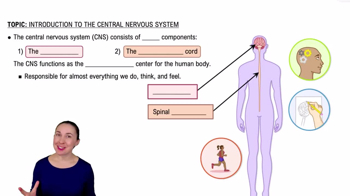
The Central Nervous System