Ch. 27 The Reproductive System
Marieb - Human Anatomy & Physiology 11th Edition
Marieb, Hoehn11th EditionHuman Anatomy & PhysiologyISBN: 9780136874034Not the one you use?Change textbook
Chapter 27, Problem 22

Gina Marciano, a 44-year-old mother of eight children, visited her physician complaining of a 'bearing down' sensation in her pelvis, low backache, and urinary incontinence. A vaginal examination showed that the external os of her cervix was just inside the vaginal orifice and her perineum exhibited large keloids (masses of scar tissue). What do you think Gina's problem is and what caused it? (Be anatomically specific.)

Verified step by step guidance
1
Step 1: Identify the key symptoms and findings described: Gina experiences a 'bearing down' sensation in the pelvis, low backache, urinary incontinence, and on vaginal examination, the external os of the cervix is just inside the vaginal orifice, with large keloids on the perineum.
Step 2: Understand the anatomical significance of the cervix being near the vaginal orifice. Normally, the cervix is located higher up inside the vagina. Its position near the vaginal opening suggests a descent of the uterus and cervix, indicating uterine prolapse.
Step 3: Connect the symptoms to the anatomical problem. The 'bearing down' sensation and urinary incontinence are common signs of pelvic organ prolapse, where weakened pelvic floor muscles and ligaments fail to support the uterus, bladder, or rectum properly.
Step 4: Consider the cause of the problem. Gina has had eight children, which likely caused repeated stretching and possible damage to the pelvic floor muscles and connective tissues, leading to weakening and allowing the uterus to descend.
Step 5: Explain the presence of large keloids on the perineum. These are masses of scar tissue, likely resulting from previous perineal tears or episiotomies during childbirth, which further indicate trauma to the pelvic floor region contributing to the prolapse.

Verified video answer for a similar problem:

This video solution was recommended by our tutors as helpful for the problem above.
Video duration:
2m
Was this helpful?

Key Concepts

Here are the essential concepts you must grasp in order to answer the question correctly.

Pelvic Organ Prolapse

Pelvic organ prolapse occurs when pelvic muscles and ligaments weaken, causing organs like the uterus or bladder to descend into or outside the vaginal canal. Symptoms include a 'bearing down' sensation, pelvic pressure, and urinary incontinence. It is common in women with multiple vaginal deliveries due to strain on pelvic support structures.
Recommended video:
Guided course
8:07
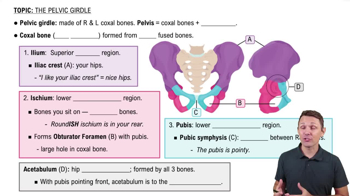
Pelvic Girdle

Anatomy of the Pelvic Floor and Perineum

The pelvic floor consists of muscles and connective tissues that support pelvic organs and maintain continence. The perineum is the area between the vaginal opening and anus, often stressed during childbirth. Damage or scarring here, such as keloids, indicates previous trauma or tears affecting pelvic support.
Recommended video:
Guided course
8:07
Pelvic Girdle

Effects of Multiple Vaginal Deliveries on Pelvic Structures

Multiple vaginal births can overstretch or injure pelvic muscles, ligaments, and connective tissue, leading to weakened support and prolapse. Repeated trauma may cause scarring (keloids) and perineal damage, contributing to symptoms like urinary incontinence and altered cervix position near the vaginal opening.
Recommended video:
Guided course
3:01
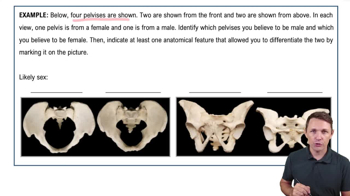
The Pelvic Girdle Example 2