Ch. 24 Nutrition, Metabolism, and Energy Balance
Marieb - Human Anatomy & Physiology 7th Edition
Marieb, Hoehn7th EditionHuman Anatomy & PhysiologyISBN: 9780805359091Not the one you use?Change textbook
Chapter 23, Problem 13

A person has been on a hunger strike for seven days. Compared to normal, he has:
a. Increased release of fatty acids from adipose tissue and ketosis
b. Elevated glucose concentration in the blood
c. Increased plasma insulin concentration
d. Increased glycogen synthase (enzyme) activity in the liver.

Verified step by step guidance
1
Step 1: Understand the physiological response to prolonged fasting. During a hunger strike, the body shifts from using glucose as its primary energy source to utilizing stored fat and protein. This process is known as the metabolic adaptation to fasting.
Step 2: Analyze the role of adipose tissue during fasting. Fatty acids are released from adipose tissue through lipolysis, which is stimulated by hormones like glucagon and epinephrine. These fatty acids are then used for energy production, and ketone bodies are formed in the liver as a byproduct of fatty acid metabolism (ketosis).
Step 3: Examine blood glucose levels during fasting. After several days of fasting, blood glucose levels typically decrease because glycogen stores in the liver are depleted. The body relies on gluconeogenesis (the production of glucose from non-carbohydrate sources) to maintain minimal blood glucose levels.
Step 4: Evaluate plasma insulin concentration during fasting. Insulin levels decrease during fasting because there is less glucose available in the bloodstream, reducing the need for insulin to facilitate glucose uptake by cells.
Step 5: Assess glycogen synthase activity in the liver. Glycogen synthase is an enzyme responsible for glycogen synthesis, which is active when insulin levels are high and glucose is abundant. During fasting, glycogen synthase activity decreases because glycogen stores are depleted and the body is not synthesizing glycogen.

Verified video answer for a similar problem:

This video solution was recommended by our tutors as helpful for the problem above.
Video duration:
1m
Was this helpful?

Key Concepts

Here are the essential concepts you must grasp in order to answer the question correctly.

Metabolic Adaptation to Fasting

During fasting, the body undergoes metabolic adaptations to maintain energy homeostasis. Initially, glycogen stores are utilized for energy, but after a few days, the body shifts to using fatty acids and ketones as primary energy sources. This shift helps preserve muscle mass and provides a more efficient energy source during prolonged periods without food.
Recommended video:
02:17
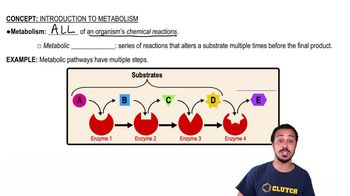
Introduction to Metabolism

Ketosis

Ketosis is a metabolic state that occurs when the body has limited access to glucose, prompting it to break down fatty acids into ketone bodies for energy. This process is particularly significant during prolonged fasting or carbohydrate restriction, as it allows the brain and other tissues to utilize ketones, thus sparing glucose for essential functions.

Hormonal Regulation During Fasting

Fasting triggers hormonal changes that regulate metabolism. Insulin levels decrease, promoting lipolysis (fat breakdown) and inhibiting glycogen synthesis. Conversely, glucagon levels rise, stimulating the release of glucose from glycogen stores and enhancing ketogenesis in the liver, which is crucial for energy supply during extended periods without food.
Recommended video:
Guided course
13:06
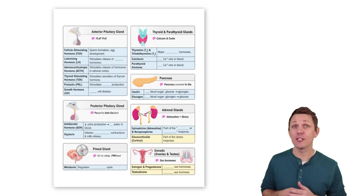
Review of Major Hormones