Pearson+ LogoPearson+ Logo

Cell Organelles quiz #1 Flashcards

Back
Cell Organelles quiz #1
Control buttons has been changed to "navigation" mode.
1/10
  • Where does protein synthesis occur in neurons?

    Protein synthesis in neurons occurs at ribosomes, which may be free in the cytoplasm or attached to the rough endoplasmic reticulum.
  • Which organelles are involved in protein synthesis in eukaryotic cells?

    The organelles involved in protein synthesis in eukaryotic cells are ribosomes and the rough endoplasmic reticulum. Ribosomes synthesize proteins, and the rough ER assists in protein folding and modification.
  • What is the role of ribosomes in protein synthesis?

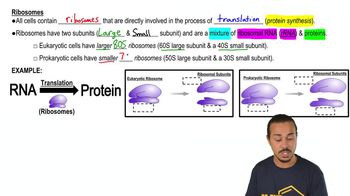
    Ribosomes are the cellular structures responsible for protein synthesis through the process of translation, using RNA as a template to build proteins.
  • What cellular structure is formed when protein fibers radiate from centrioles?

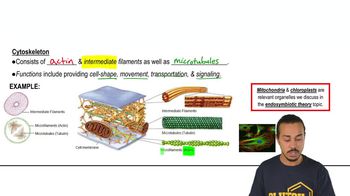
    When protein fibers radiate from centrioles, they form microtubules, which are part of the cytoskeleton and play a key role in cell division and structural support.
  • Which organelle is known as the powerhouse of the cell and generates ATP energy?

    The mitochondrion is known as the powerhouse of the cell and is responsible for generating ATP energy.
  • What is the function of the nuclear envelope in eukaryotic cells?

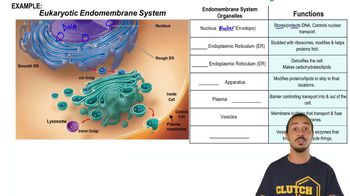
    The nuclear envelope surrounds the nucleus and contains nuclear pores that regulate the passage of materials into and out of the nucleus. This helps protect and control access to the cell's DNA.
  • How does the smooth endoplasmic reticulum differ functionally from the rough endoplasmic reticulum?

    The smooth ER is involved in detoxifying chemicals and synthesizing carbohydrates and lipids, while the rough ER assists in protein folding and modification due to its ribosome-studded surface. These differences reflect their specialized roles in the cell.
  • What is the primary role of the Golgi apparatus in the cell?

    The Golgi apparatus modifies, tags, packages, and ships proteins and lipids to their final destinations within or outside the cell. It acts as a central hub for processing and distributing cellular materials.
  • What are lysosomes and what is their main function in the cell?

    Lysosomes are specialized vesicles containing digestive enzymes that break down foreign particles and recycle cellular materials. They play a key role in cellular cleanup and maintenance.
  • How do the sizes and subunits of eukaryotic and prokaryotic ribosomes differ?

    Eukaryotic ribosomes are larger (80S) with 60S and 40S subunits, while prokaryotic ribosomes are smaller (70S) with 50S and 30S subunits. These differences are important for distinguishing between cell types and for certain antibiotic actions.