 Back
BackBiology 1001 Syllabus and Course Structure Study Guide
Study Guide - Smart Notes
 Tailored notes based on your materials, expanded with key definitions, examples, and context.
Course Overview
General Biology 1001: Structure, Outcomes, and Resources
This study guide summarizes the syllabus for BIOL 1001, an introductory biology course for non-science majors at LSU Eunice. The course covers fundamental biological principles, including cell biology, genetics, evolution, and ecology, and is structured to develop critical thinking, analytical, and communication skills.
Course Description: Broad biological principles; scientific method, biological molecules, cell biology, genetics, ecology, and evolution.
Prerequisites: None; basic high school chemistry and mathematics recommended.
Program Outcomes: Communication of complex knowledge, problem-solving using scientific evidence, and application of natural science concepts.
Course Outcomes and Module Topics
Learning Objectives and Module Breakdown
The course is divided into seven modules, each with specific learning objectives aligned to core biology concepts. These modules correspond closely to the standard introductory biology textbook chapters.
Module 1: Exploring Life, Scientific Method, Chemistry and Molecules of Life
Module 2: Cell Structure and Function, Cell Membrane, Cell Energy and Enzymes
Module 3: Cellular Respiration
Module 4: Photosynthesis
Module 5: Cell Division, Genetics, and Inheritance
Module 6: DNA Replication and Gene Expression
Module 7: Evolution of Organisms and Ecology of Biomes
Each module includes objectives such as defining emergent properties of life, describing cell structure, explaining metabolic pathways, and understanding genetic inheritance and evolutionary mechanisms.
Course Materials and Resources
Required Textbook and Digital Tools
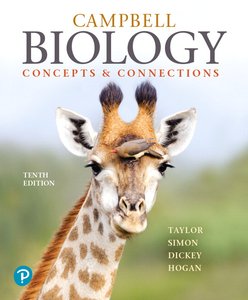
The primary textbook for the course is Campbell Biology: Concepts & Connections, 10th Edition by Taylor, Simon, Dickey, and Hogan. Access to Pearson's Mastering Biology platform is required for readings, assignments, and interactive study modules.
Textbook: Campbell Biology: Concepts & Connections, 10th Edition
Digital Access: Pearson eText and Modified Mastering Biology (Access Code required)
Additional Materials: None specified
Assessment and Grading
Coursework, Exams, and Grading Scale
Grades are based on quizzes, discussion forums, midterm and final exams, and participation. The grading scale is detailed and follows standard university guidelines.
Quizzes/Forums (Modules 1-3): 25%
Midterm Exam (Modules 1-3): 25%
Quizzes/Forums (Modules 4-7): 25%
Final Exam (Modules 4-7): 25%
Grading Scale: A (93-100%), A- (90-92.99%), B+ (87-89.99%), B (83-86.99%), etc.
Interactive Learning and Study Tools
Dynamic Study Modules (DSM)
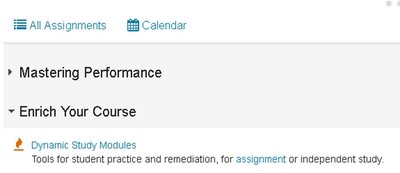
Dynamic Study Modules are interactive practice exercises available through Pearson Mastering Biology. They adapt to student responses and provide personalized feedback, helping reinforce key concepts from each chapter.
Features: Multiple-choice questions, visual diagrams, adaptive learning, mobile app access
Purpose: Practice and remediation for student learning
Course Policies and Participation
Engagement, Academic Integrity, Accessibility, and Diversity
Students are expected to participate actively, adhere to academic integrity standards, and respect diversity and accessibility policies. Communication and collaboration are encouraged within guidelines, and accommodations are available for students with disabilities.
Participation: Required at least 3 days per week; no late work accepted
Academic Integrity: Compliance with LSUE Code of Student Conduct; plagiarism and misconduct are prohibited
Accessibility: Accommodations available through Office of Disability Services
Diversity: Inclusive learning environment, respect for individual differences
Summary Table: Course Structure and Assessment
Module | Main Topics | Assessment |
|---|---|---|
1 | Life, Scientific Method, Chemistry | Quizzes, Forums |
2 | Cell Structure, Membrane, Enzymes | Quizzes, Forums |
3 | Cellular Respiration | Quizzes, Forums, Midterm Exam |
4 | Photosynthesis | Quizzes, Forums |
5 | Cell Division, Genetics | Quizzes, Forums |
6 | DNA Replication, Gene Expression | Quizzes, Forums |
7 | Evolution, Ecology | Quizzes, Forums, Final Exam |
Additional Info
Proctored exams are required; fees apply for proctoring services.
Technical support is available for Moodle and Pearson platforms.
FERPA and privacy policies are observed for student records.
