 Back
BackChapter 6: An Introduction to Metabolism - Mini-Textbook Study Notes
Study Guide - Smart Notes
 Tailored notes based on your materials, expanded with key definitions, examples, and context.
Metabolism: The Energy of Life
Overview of Metabolism
Metabolism encompasses all the chemical reactions occurring within an organism, enabling the transformation of matter and energy. Cells act as chemical factories, extracting energy from nutrients and using it to perform work, such as movement, synthesis, and bioluminescence.
Metabolic Pathways: Series of chemical reactions where a starting molecule is converted into a product, each step catalyzed by a specific enzyme.
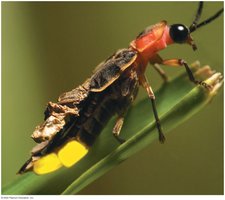
Bioluminescence: The conversion of chemical energy into light, as seen in fireflies and dinoflagellates.

Metabolic Pathways: Catabolic and Anabolic
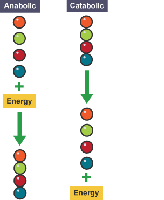
Metabolic pathways are classified as catabolic or anabolic, depending on whether they break down or build up molecules.
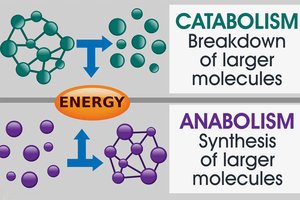
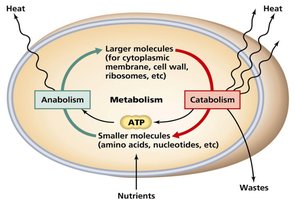
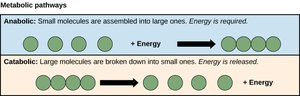
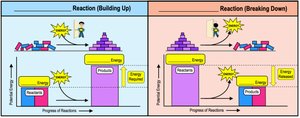
Catabolic Pathways: Break down complex molecules into simpler ones, releasing energy (exergonic).
Anabolic Pathways: Build complex molecules from simpler ones, consuming energy (endergonic).
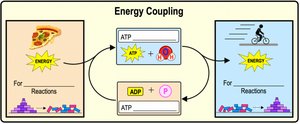
Energy Coupling: Catabolic reactions provide energy (often in the form of ATP) for anabolic reactions.

Comparison Table: Catabolic vs. Anabolic Pathways
Pathway | Process | Energy | Example |
|---|---|---|---|
Catabolic | Breakdown of molecules | Releases energy | Cellular respiration |
Anabolic | Synthesis of molecules | Consumes energy | Protein synthesis |
Bioenergetics: Forms and Flow of Energy
Energy in Biological Systems
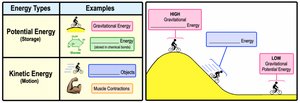
Energy is the capacity to do work and exists in various forms. Bioenergetics studies how energy flows through living organisms.
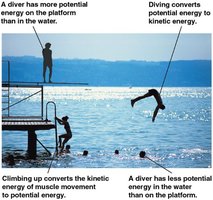
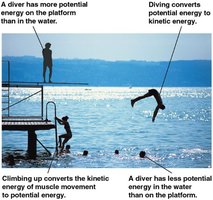
Kinetic Energy: Energy of motion (e.g., running water).
Thermal Energy: Kinetic energy from random movement of atoms/molecules.
Heat Energy: Transfer of thermal energy between objects.
Potential Energy: Stored energy due to position or structure (e.g., water behind a dam).
Chemical Energy: Potential energy stored in chemical bonds (e.g., glucose).
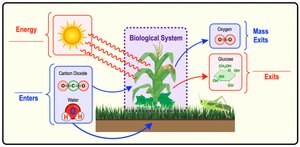
Energy Conversion: Energy can be transformed from one form to another.

Laws of Thermodynamics
First Law of Thermodynamics
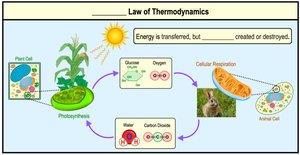
The first law states that energy can be transferred and transformed, but cannot be created or destroyed. The total energy in the universe remains constant.
System: The matter being studied.
Surroundings: Everything outside the system.
Second Law of Thermodynamics
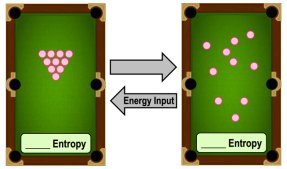
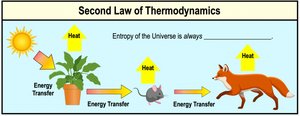
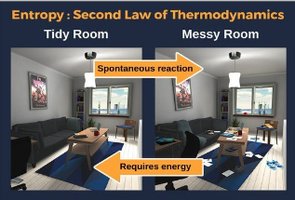
The second law states that every energy transfer increases the entropy (disorder) of the universe. Energy conversions are never 100% efficient; some energy is lost as heat.
Entropy: Measure of disorder; higher entropy means more disorder.
Spontaneous Processes: Occur without energy input and increase entropy.
Nonspontaneous Processes: Require energy input and decrease entropy.

Biological Order and Disorder
Order in Cells and Organisms
Cells and organisms create order from less organized materials, but overall, the entropy of the universe increases. Energy flows into ecosystems as light and exits as heat.
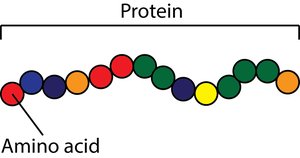
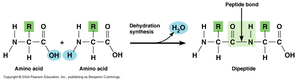
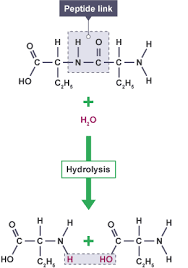
Example: Building a protein from amino acids decreases entropy locally, but increases universal entropy.
Example: Breaking down proteins into amino acids increases entropy.
Free Energy, Stability, and Equilibrium
Free Energy Change (ΔG)
Free energy (G) is the portion of a system's energy that can perform work. Only reactions with negative ΔG are spontaneous. Systems move toward stability (lower G).
ΔG Formula: Where ΔH is change in enthalpy, T is temperature, and ΔS is change in entropy.
Exergonic and Endergonic Reactions
Metabolic reactions are classified by their free energy changes:
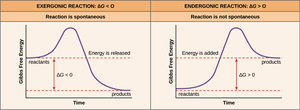
Exergonic Reactions: Release energy, are spontaneous, ΔG is negative.
Endergonic Reactions: Require energy input, are nonspontaneous, ΔG is positive.
Equilibrium and Metabolism
Cells are open systems and never reach equilibrium. Continuous flow of materials prevents metabolic pathways from reaching equilibrium, which is essential for life.
ATP: The Energy Currency of the Cell
ATP Powers Cellular Work
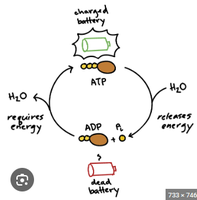
ATP (adenosine triphosphate) is the primary energy carrier in cells. It powers chemical, transport, and mechanical work by coupling exergonic and endergonic reactions.
Structure: Ribose sugar, adenine base, and three phosphate groups.
Hydrolysis: ATP → ADP + Pi releases energy (exergonic).
Regeneration: ADP + Pi → ATP requires energy (endergonic).
Phosphorylation
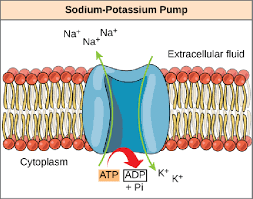
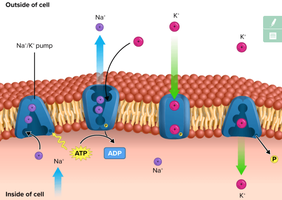
Phosphorylation is the transfer of a phosphate group from ATP to another molecule, activating or inactivating target molecules and inducing conformational changes in proteins.
Enzymes: Biological Catalysts
Enzyme Function and Activation Energy
Enzymes are proteins (or RNA molecules) that speed up metabolic reactions by lowering the activation energy (EA) required for reactions to occur.
Activation Energy (EA): Energy needed to start a reaction.
Enzyme Catalysis: Enzymes lower EA without being consumed and do not affect ΔG.
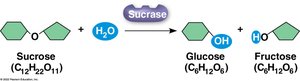
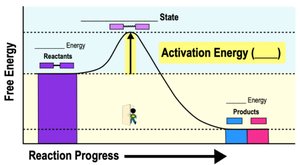
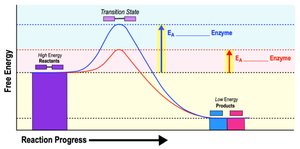
Substrate Specificity and Active Site
Enzymes are highly specific, binding to their substrates at the active site. The fit can be lock-and-key or induced fit, where the enzyme changes shape to accommodate the substrate.
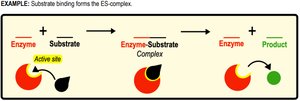
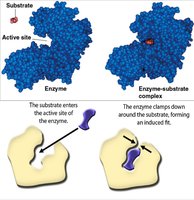
Catalysis in the Active Site
The active site of an enzyme lowers EA by orienting substrates, straining bonds, providing a favorable microenvironment, and temporarily bonding to substrates. Enzyme activity can be increased by raising substrate concentration until saturation is reached.
Effects of Local Conditions on Enzyme Activity
Enzyme activity is influenced by temperature, pH, and specific chemicals. Each enzyme has optimal conditions for maximum activity; extreme conditions can denature enzymes.
Cofactors and Coenzymes
Cofactors are nonprotein molecules that assist enzymes. They can be inorganic (metal ions) or organic (coenzymes, often derived from vitamins).
Enzyme Inhibitors
Enzyme activity can be regulated by inhibitors:
Competitive Inhibitors: Bind to the active site, blocking substrate binding.
Noncompetitive Inhibitors: Bind elsewhere, altering the enzyme's shape and reducing effectiveness.
Reversible Inhibitors: Bind via weak interactions; Irreversible Inhibitors: Form covalent bonds.
Regulation of Enzyme Activity
Allosteric Regulation
Allosteric regulation occurs when a regulatory molecule binds to a site other than the active site, affecting enzyme activity. Most allosteric enzymes have multiple subunits and can oscillate between active and inactive forms.
Feedback Inhibition
Feedback inhibition is a regulatory mechanism where the end product of a metabolic pathway inhibits an earlier step, preventing overproduction. Negative feedback inhibits pathways, while positive feedback stimulates them.
Additional info: These notes expand on brief points with academic context, definitions, and examples to ensure completeness and clarity for exam preparation.
