 Back
BackCommunity Ecology: Species Interactions, Coevolution, and Community Structure
Study Guide - Smart Notes
 Tailored notes based on your materials, expanded with key definitions, examples, and context.
Community Ecology: Species Interactions & Diversity
Introduction to Community Ecology
Community ecology examines how groups of species interact within a shared environment and how these interactions influence species diversity and community structure. Understanding these relationships is essential for predicting ecological outcomes and managing biodiversity.
Classification of Species Interactions
Types of Species Interactions
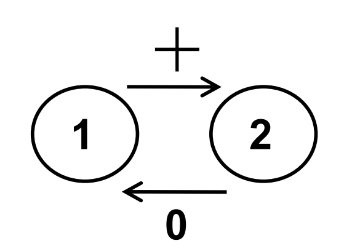
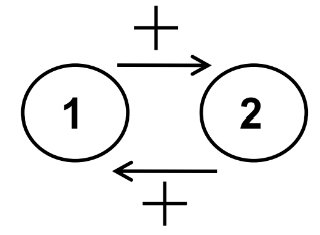
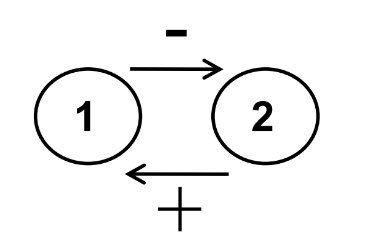
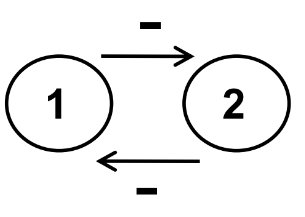
Ecologists classify species interactions based on the effects each species has on the other. The five main types are:
Competition: Both species are harmed (-/-).
Predation/Herbivory: One species benefits, the other is harmed (+/-).
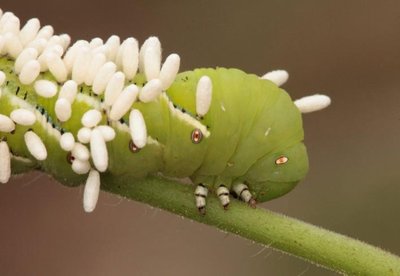
Parasitism: One species benefits, the other is harmed (+/-).
Mutualism: Both species benefit (+/+).
Commensalism: One species benefits, the other is unaffected (+/0).
These interactions can be identified in ecological scenarios by analyzing the outcomes for each participant.
Examples of Each Interaction
Competition: Two plant species competing for sunlight in a meadow.
Predation: A lion hunting a zebra.
Parasitism: Tapeworms living in the intestines of mammals.
Mutualism: Bees pollinating flowers while obtaining nectar.
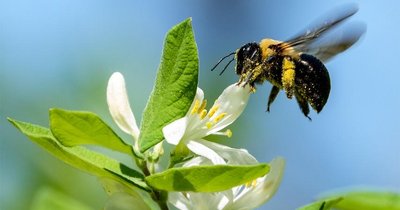
Commensalism: Barnacles attaching to whales for transport.
Competition: Outcomes and Mechanisms
Competitive Exclusion Principle
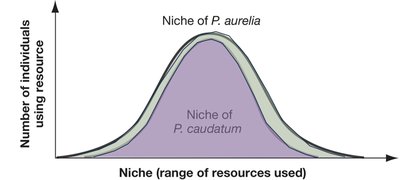
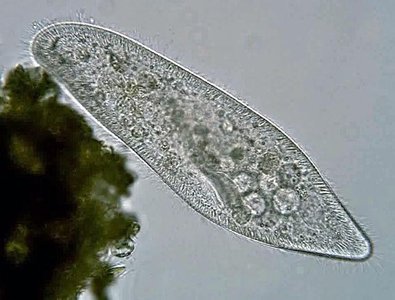
The competitive exclusion principle states that two species competing for identical resources cannot coexist indefinitely. One will outcompete the other, leading to local extinction or niche differentiation.
Natural Communities and Coexistence
In natural communities, competitive exclusion is rare because species often adjust or evolve to reduce direct competition. This leads to mechanisms such as niche partitioning and character displacement.
Niche Partitioning
Niche partitioning occurs when competing species use different resources or occupy different habitats to minimize competition. This differentiation allows similar species to coexist.
Example: Dung beetle species bury brood balls at different depths when in competition, reducing overlap in resource use.
Character Displacement
Character displacement is the evolutionary divergence of traits in competing species, reducing niche overlap and competition. This process is genetically based and often observed in sympatric populations (those living in the same area).
Example: Evolution of different beak sizes in finches allows them to exploit different food resources.
These processes often occur together: niche partitioning can drive character displacement, and vice versa.
Environmental Influence on Species Interactions
Dynamic Nature of Interactions
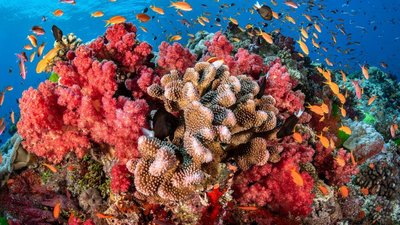
Species interactions are not fixed; they can change with environmental conditions. For example, mutualistic relationships may shift to parasitic under stress, such as coral and zooxanthellae under increased water temperatures.
Example: Coral provides shelter and nutrients to zooxanthellae (mutualism), but under heat stress, zooxanthellae can harm coral by overproducing reactive oxygen (parasitism).
Coevolution
Definition and Mechanisms
Coevolution is the reciprocal evolutionary change in interacting species, driven by natural selection imposed by each on the other. It is most common in close interactions such as mutualism, parasitism, and predation.
Evolutionary Arms Race: In antagonistic interactions (e.g., predator-prey, host-parasite), adaptations in one species select for counter-adaptations in the other, leading to a cycle of reciprocal change.
Mutualistic Coevolution: In mutualisms, coevolution can lead to highly specialized adaptations that enhance the effectiveness of the interaction.
Community Structure: Dominant and Keystone Species
Dominant Species
Dominant species are the most abundant or have the highest biomass in a community. They exert a strong influence on community structure due to their prevalence.
Keystone Species
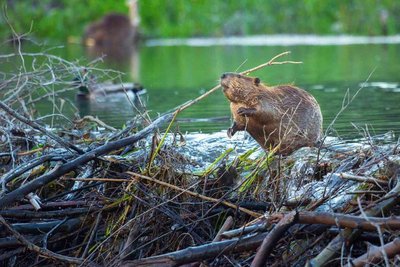
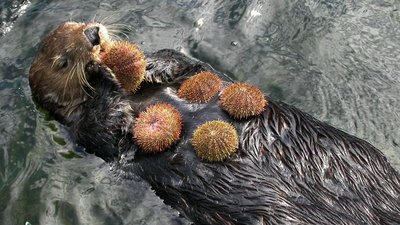
Keystone species have a disproportionately large effect on community structure relative to their abundance. Their presence or absence significantly alters the composition and diversity of the community.
Example: Termites are considered keystone species in some ecosystems because their mounds influence nutrient cycling and plant diversity, despite being relatively rare.
Measuring Community Diversity
Species Richness and Evenness
Community diversity is characterized by two main components:
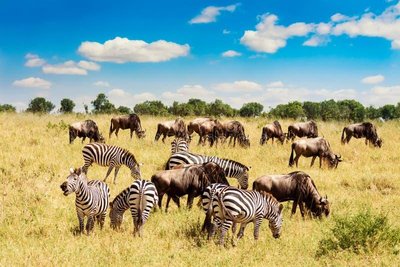
Species richness: The number of different species present in a community.
Species evenness: The relative abundance of each species in the community.
High diversity communities have both high richness and high evenness.

Diversity Indices
Diversity indices are mathematical measures that combine species richness and evenness to quantify community diversity. A higher diversity index indicates a more complex and balanced community.
Summary Table: Key Processes in Community Ecology
Process | Definition / Description | Species Interaction(s) Causing Process |
|---|---|---|
Niche Partitioning | Competing species use different resources or habitats to reduce competition | Competition |
Character Displacement | Genetically based divergence in traits that reduces competition | Competition |
Competitive Exclusion | One species outcompetes and eliminates another from a niche | Competition |
Coevolution | Reciprocal evolutionary changes in interacting species | Mutualism, Parasitism, Predation, Competition |
Evolutionary Arms Race | Cycle of adaptations and counter-adaptations in antagonistic interactions | Predation, Parasitism |
Key Equations
Diversity Index (Shannon Index):
Where is the diversity index, is the number of species, and is the proportion of individuals in the th species.
Additional info: These notes integrate foundational concepts from community ecology, including species interactions, mechanisms of coexistence, coevolution, and the measurement of community diversity, as outlined in standard college biology curricula.
