 Back
BackComprehensive Study Notes: Microorganisms, Animal and Plant Diversity, and Major Biological Systems
Study Guide - Smart Notes
 Tailored notes based on your materials, expanded with key definitions, examples, and context.
Bacteria: Characteristics, Identification, and Classification
General Characteristics of Bacteria
Bacteria are simple, single-celled prokaryotic organisms that are ubiquitous in nature. Their structure, shape, and physiological properties are essential for their identification and classification.
Prokaryotic cells: Lack a true nucleus and membrane-bound organelles.
Size: Typically 0.5 to 1.0 µm in diameter.
Cell wall: Contains peptidoglycan, providing rigidity and shape.
Reproduction: Mainly by binary fission (asexual).
Genetic material: Single circular chromosome; may contain plasmids.
Motility: Some possess flagella for movement.
Shapes and Arrangements of Bacteria
Bacteria are classified based on their morphology, which is closely linked to their survival and ecological roles.
Cocci: Spherical (e.g., Staphylococcus), may occur singly, in pairs, chains, or clusters.
Bacilli: Rod-shaped (e.g., Bacillus subtilis), may be single, in pairs, or chains.
Vibrios: Comma-shaped (e.g., Vibrio cholerae).
Spirilla: Rigid, spiral-shaped (e.g., Spirillum minus).
Spirochetes: Flexible, helical (e.g., Treponema pallidum).
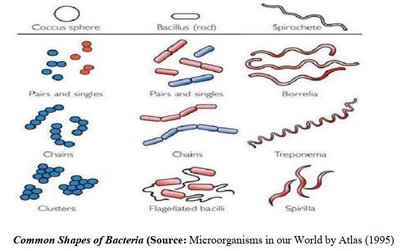
Structure of Bacteria
External structures: Flagella (motility), pili/fimbriae (attachment and genetic exchange), capsules (protection and adherence), sheaths, prosthecae, stalks.
Cell wall: Provides structural support and protection; peptidoglycan is a key component.
Internal structures: Cytoplasmic membrane, cytoplasm, nucleoid (genetic material), spores/cysts (dormant forms).
Nutrition and Respiration in Bacteria
Energy sources: Phototrophs (light), chemotrophs (chemical compounds).
Carbon sources: Autotrophs (CO2), heterotrophs (organic compounds).
Oxygen requirements: Aerobic, anaerobic, facultative anaerobes.
Staining and Classification
Bacteria are classified as Gram-positive or Gram-negative based on their cell wall structure and response to Gram staining:
Gram-positive: Thick peptidoglycan layer, retains crystal violet dye.
Gram-negative: Thin peptidoglycan layer, does not retain crystal violet after decolorization.
Fungi: Characteristics, Identification, and Classification
General Characteristics of Fungi
Fungi are eukaryotic, heterotrophic organisms that play vital roles as decomposers, pathogens, and symbionts.
Eukaryotic cells: True nucleus and organelles.
Cell wall: Composed of chitin.
Nutrition: Heterotrophic, absorb nutrients from organic matter.
Reproduction: By spores (asexual and sexual), budding, fragmentation.
Structure: Unicellular (yeasts) or multicellular (molds, mushrooms); hyphae form mycelium.
Structure and Forms of Fungi
Thallus: Vegetative body, varies from unicellular to multicellular.
Hyphae: Thread-like filaments; may be septate or coenocytic.
Mycelium: Mass of hyphae.
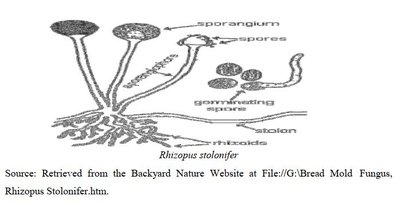
Classification of Fungi
Ascomycota: Sac fungi (e.g., morels, yeasts).
Basidiomycota: Club fungi (e.g., mushrooms, puffballs).
Zygomycota: Conjugated fungi (e.g., bread mold Rhizopus).
Chytridiomycota: Aquatic fungi.
Deuteromycota: Fungi with no known sexual stage.
Reproduction in Fungi
Asexual: Fragmentation, budding, spore formation (sporangiospores, conidia, etc.).
Sexual: Involves plasmogamy, karyogamy, and meiosis; produces genetic diversity.
Nutrition in Fungi
Saprotrophic: Decompose dead organic matter.
Parasitic: Feed on living hosts.
Mutualistic: Form symbiotic relationships (e.g., mycorrhizae, lichens).
Viruses: Characteristics, Identification, and Classification
General Characteristics of Viruses
Viruses are acellular infectious agents that require host cells for replication. They are considered to exist at the boundary between living and non-living entities.
Structure: Composed of genetic material (DNA or RNA) and a protein coat (capsid); some have envelopes.
Size: 20–250 nm, visible only with electron microscopy.
Replication: Obligate intracellular parasites; cannot reproduce independently.
Evolution: Capable of mutation and evolution.
Structure of Viruses
Capsid: Protein shell enclosing the nucleic acid.
Nucleic acid: DNA or RNA, single- or double-stranded.
Envelope: Lipid membrane derived from host (in some viruses).
Complex forms: Bacteriophages have head, tail, and tail fibers.
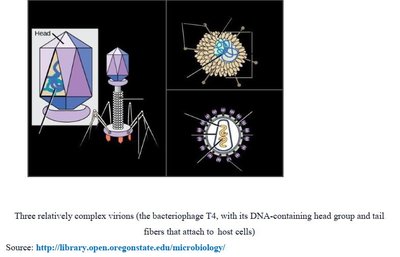
Classification of Viruses
By nucleic acid: DNA viruses (ss or ds), RNA viruses (ss or ds, positive or negative sense).
By structure/symmetry: Helical, icosahedral, complex, etc.
By replication site: Cytoplasmic, nuclear, or both.
By host range: Animal, plant, bacteriophage, insect viruses.
By transmission mode: Airborne, fecal-oral, sexual, blood, zoonotic.
Identification and Cultivation
Microscopy (electron, fluorescent), serological tests, host range studies, and molecular analysis are used for identification.
Viruses are cultivated in living cells, embryonated eggs, or tissue cultures.
Animal Diversity: Invertebrates and Vertebrates
Kingdom Animalia and Major Phyla
Animals are multicellular, eukaryotic organisms classified into various phyla based on body plan, symmetry, and developmental patterns.
Protozoa: Unicellular, microscopic, diverse locomotion (e.g., Amoeba, Paramecium).
Porifera: Sponges; multicellular, porous bodies, no true tissues.
Cnidaria: Radial symmetry, stinging cells (cnidocytes), diploblastic (e.g., jellyfish, corals).
Platyhelminthes: Flatworms; bilateral symmetry, acoelomate, triploblastic.
Nematoda: Roundworms; pseudocoelomate, complete digestive tract.
Annelida: Segmented worms; true coelom, metamerism (e.g., earthworms).
Arthropoda: Segmented body, jointed appendages, exoskeleton (e.g., insects, crustaceans).
Mollusca: Soft-bodied, often with shells (e.g., snails, clams, squids).
Echinodermata: Pentaradial symmetry, water vascular system (e.g., starfish, sea urchins).
Adaptations for Survival
Marine: Buoyancy, osmotic balance, attachment, burrowing, planktonic forms.
Freshwater: Osmoregulation, tolerance to variable conditions.
Terrestrial: Prevention of desiccation, internal fertilization, protective coverings.
Nutrition and Digestion in Animals
Food Processing Stages
Animals process food through four main stages: ingestion, digestion, absorption, and elimination.
Ingestion: Intake of food.
Digestion: Mechanical and chemical breakdown of food into absorbable units.
Absorption: Uptake of nutrients into body cells.
Elimination: Removal of undigested material.
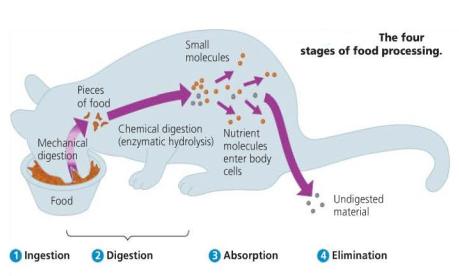
Types of Digestive Tracts
Incomplete: Single opening (mouth) for ingestion and egestion (e.g., Hydra, Planaria).
Complete: Separate mouth and anus; allows specialization of digestive regions.
Classes of Food and Essential Nutrients
Carbohydrates: Energy source; classified as monosaccharides, disaccharides, polysaccharides.
Proteins: Composed of amino acids; essential for growth and repair.
Lipids: Fats and oils; energy storage, cell membranes.
Vitamins: Organic compounds required in small amounts.
Minerals: Inorganic nutrients (e.g., calcium, iron, potassium).
Water: Essential for all life processes.
Roughages: Indigestible fibers aiding intestinal movement.
Circulatory System
Types of Circulatory Systems
Open: Hemolymph bathes organs directly (e.g., arthropods, most mollusks).
Closed: Blood circulates within vessels (e.g., annelids, vertebrates).
Vertebrate Circulatory Pathways
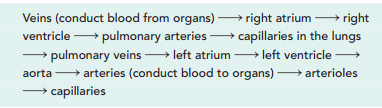
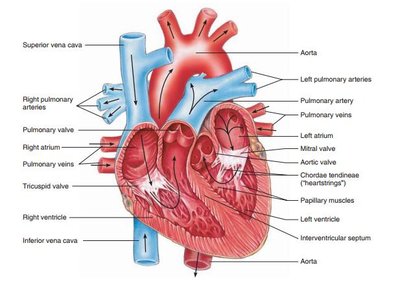
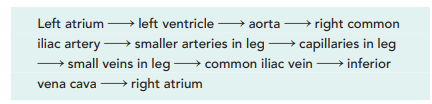
The vertebrate circulatory system consists of the heart, blood vessels, and blood. It includes pulmonary and systemic circuits.
Pulmonary circuit: Heart → lungs → heart (oxygenation of blood).
Systemic circuit: Heart → body tissues → heart (delivery of oxygen and nutrients).
Blood Components
Plasma: Fluid matrix containing proteins, nutrients, hormones, and waste products.
Red blood cells (erythrocytes): Transport oxygen via hemoglobin.
White blood cells (leukocytes): Immune defense.
Platelets (thrombocytes): Blood clotting.
Reproduction and Development
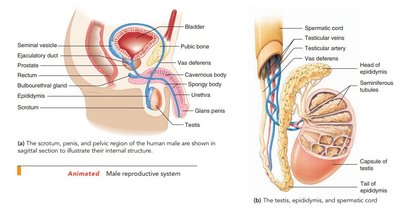
Male Reproductive System
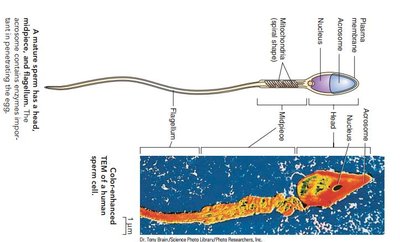
Testes: Produce sperm and testosterone.
Epididymis: Sperm maturation and storage.
Vas deferens: Transports sperm.
Accessory glands: Seminal vesicles, prostate, bulbourethral glands (produce seminal fluid).
Penis: Copulatory organ.
Female Reproductive System
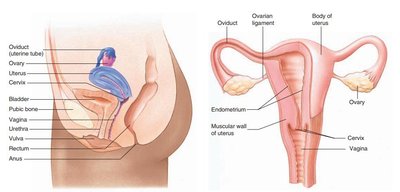
Ovaries: Produce ova and female sex hormones.
Oviducts (fallopian tubes): Site of fertilization.
Uterus: Site of embryo implantation and development.
Vagina: Receives sperm, birth canal.
External genitalia: Vulva, labia, clitoris.
Fertilization and Development
Fertilization: Fusion of sperm and egg to form a zygote.
Cleavage: Rapid mitotic divisions forming a blastula.
Gastrulation: Formation of germ layers (ectoderm, mesoderm, endoderm).
Organogenesis: Development of organs from germ layers.
Excretion and Osmoregulation
Vertebrate Kidney Structure and Function
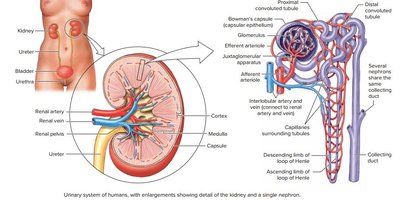
Nephron: Functional unit; filtration, reabsorption, secretion, and excretion.
Processes: Glomerular filtration, tubular reabsorption, tubular secretion.
Osmoregulation: Regulation of water and solute balance; controlled by hormones (e.g., ADH).
Plant Diversity and Classification
Major Plant Groups
Thallophyta: Algae, simple body, aquatic or moist habitats.
Bryophyta: Mosses, liverworts, hornworts; non-vascular, moist environments.
Pteridophyta: Ferns and allies; seedless vascular plants.
Spermatophyta: Seed plants (gymnosperms and angiosperms).
Reproduction in Plants
Vegetative: Fragmentation, budding, runners, tubers.
Asexual: Spores, binary fission.
Sexual: Fusion of gametes (isogamy, anisogamy, oogamy).
Algae, Fungi, Bryophytes, Pteridophytes, and Seed Plants
Algae: Classified by pigment and storage products (e.g., Chlorophyta, Rhodophyta).
Fungi: See above for details.
Bryophytes: Non-vascular, dominant gametophyte generation.
Pteridophytes: Vascular, dominant sporophyte, reproduce by spores.
Seed plants: Gymnosperms (naked seeds), angiosperms (enclosed seeds, flowers).
Monocots vs. Dicots
Feature | Monocots | Dicots |
|---|---|---|
Seed leaves (cotyledons) | One | Two |
Leaf venation | Parallel | Net-like |
Flower parts | Multiples of three | Multiples of four or five |
Vascular bundles | Scattered | In a ring |
Summary
This guide covers the foundational concepts of microbiology (bacteria, fungi, viruses), animal and plant diversity, nutrition, digestion, circulation, excretion, and reproduction. It is designed to provide a comprehensive overview for college-level biology students, integrating definitions, examples, and diagrams for effective exam preparation.
