 Back
Back9.2 Ecology and Climate Change: Biological Impacts and Mechanisms
Study Guide - Smart Notes
 Tailored notes based on your materials, expanded with key definitions, examples, and context.
Ecology & Climate Change
Introduction to Climate Change in Ecology
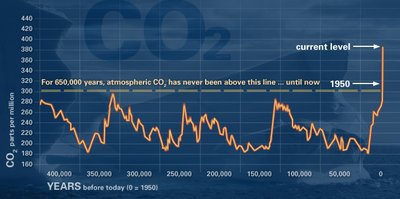
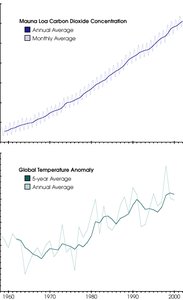
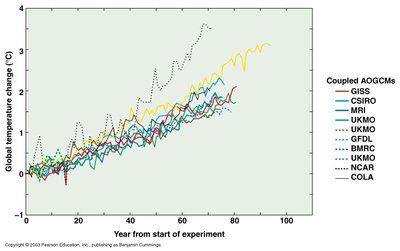
Climate change is a major driver of ecological processes, affecting species distributions, ecosystem productivity, and the prevalence of diseases. The rapid increase in atmospheric carbon dioxide (CO2) due to human activities is tightly linked to global temperature rise, with profound consequences for both terrestrial and marine environments.
Atmospheric CO2 Increase: CO2 levels have risen sharply since the industrial revolution, surpassing any levels seen in the past 650,000 years.
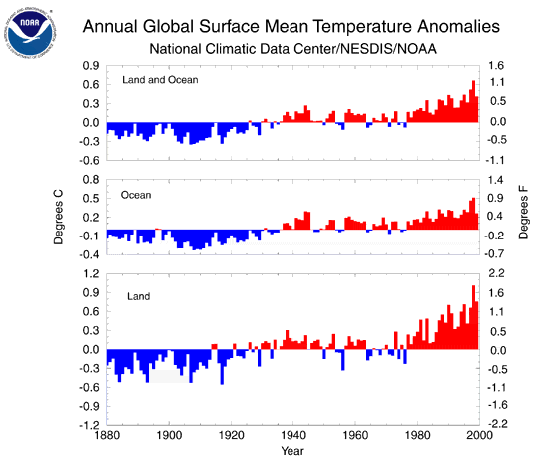
Temperature Correlation: There is a strong correlation between atmospheric CO2 and global temperature anomalies.
Ecological Consequences: These changes drive shifts in species distributions, increase the frequency of extreme weather events, and alter ecosystem functions.
Terrestrial Impacts of Climate Change
Consequences of Warming Land
Warming terrestrial environments lead to a cascade of ecological effects, including the emergence of new diseases, altered species ranges, and increased frequency of extreme weather events.
Emergent Diseases: Warmer temperatures and altered precipitation patterns can increase the severity and spread of plant and animal diseases.
Species Distribution Shifts: Many species are moving poleward or to higher elevations in response to changing climates.
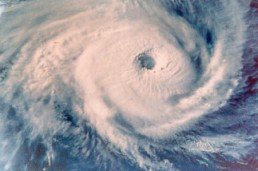
Extreme Weather: More frequent and intense hurricanes, floods, droughts, forest fires, and heat waves are observed.
Biological Responses: Disease and Productivity
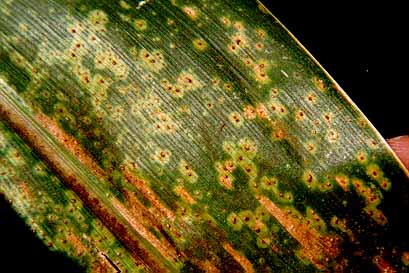
Fungal Disease Severity: Elevated CO2 and ozone can increase the severity of foliar fungal diseases in plants.
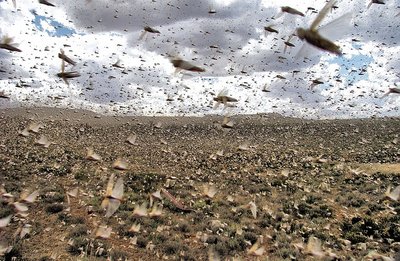
Locust Swarms: Wet years and warm winters can trigger outbreaks of locusts, impacting agriculture and ecosystems.
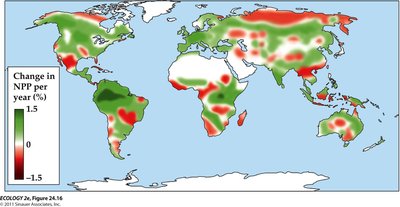
Net Primary Productivity (NPP): Changes in climate can increase or decrease NPP in different regions, affecting the global carbon cycle.
Spread of Tropical Diseases
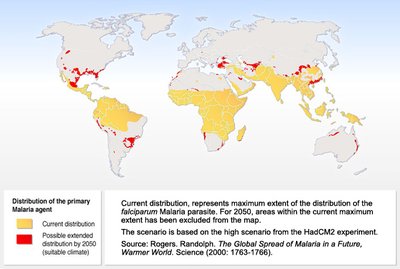
Climate change is predicted to expand the range of many tropical diseases, such as malaria, cholera, dengue, and Nile River fever, due to warmer temperatures and altered precipitation patterns.
Marine Impacts of Climate Change
Ocean Warming and Its Consequences
As the atmosphere warms, so do the oceans, leading to significant ecological changes in marine environments.
Species Distribution Shifts: Marine species are moving toward the poles or deeper waters to stay within their thermal tolerance ranges.
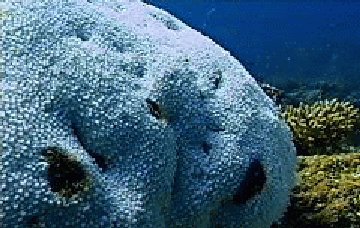
Coral Bleaching: Elevated sea temperatures cause corals to expel their symbiotic zooxanthellae, leading to bleaching and often death.
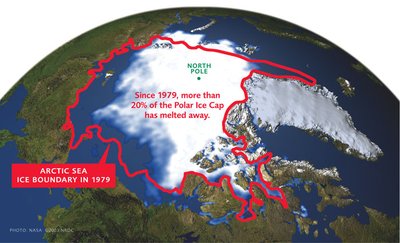
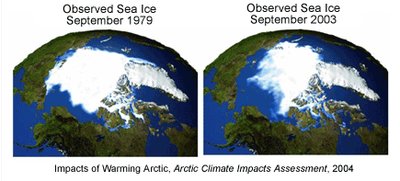
Melting Polar Ice Caps: Loss of sea ice reduces habitat for polar species and alters marine food webs.
Sea Level Rise: Primarily due to thermal expansion of seawater and melting ice, threatening coastal ecosystems and human settlements.
Emergent Marine Diseases: Warmer waters can increase the prevalence of diseases in marine organisms.
Altered Currents and Upwelling: Changes in ocean circulation can impact nutrient availability and marine productivity.
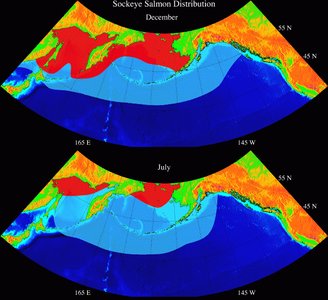
Shifts in Marine Species Distributions
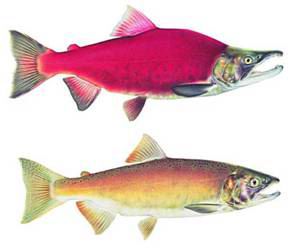
Climate models predict significant changes in the seasonal and geographic distribution of marine species, such as sockeye salmon, in response to warming oceans and altered currents.
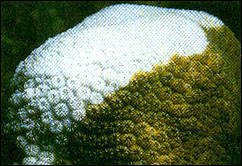
Coral Bleaching and Death
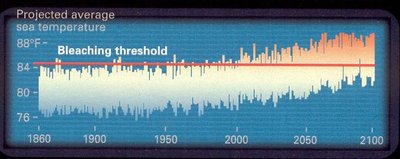
Coral bleaching is a direct consequence of elevated sea temperatures, resulting in the loss of endosymbiotic dinoflagellates (zooxanthellae) that provide energy to corals. This process leads to widespread coral mortality and loss of reef biodiversity.
Bleaching Threshold: When sea temperatures exceed a certain threshold, bleaching events become more frequent and severe.
Ecological Impact: Coral reefs support high biodiversity and provide ecosystem services such as coastal protection and fisheries.
Melting Polar Ice Caps
The Arctic and Antarctic are experiencing rapid ice loss, with significant ecological consequences for polar species and global sea levels.
Arctic: Reduced habitat for polar bears, shifts in fish distributions, and changes in productivity of marine species.
Antarctic: Decline in krill populations, affecting penguins and other nekton that rely on sea-ice algae for food.
Sea Level Rise
Mechanisms and Impacts
Global warming causes sea level rise through thermal expansion of seawater and melting of land-based ice. This process threatens coastal ecosystems, estuaries, and human populations.
Thermal Expansion: As water warms, it expands, contributing to rising sea levels.
Melting Glaciers and Ice Caps: Adds freshwater to the oceans, further increasing sea level.
Flooding: Low-lying areas and estuaries are at risk of permanent inundation.
Climate Refugees: Populations in vulnerable regions may be displaced due to flooding and loss of land.
Ocean Acidification
CO2 and Carbonate Chemistry
Increased atmospheric CO2 dissolves in seawater, forming carbonic acid and lowering ocean pH. This process, known as ocean acidification, reduces the availability of carbonate ions needed by marine organisms for calcification.
Chemical Equations:
Impact on Calcifiers: Ocean acidification is projected to decrease coral calcification rates by up to 30% from 1990 to 2100, threatening coral reefs and other marine organisms that rely on calcium carbonate structures.
Summary Table: Key Ecological Impacts of Climate Change
Impact | Terrestrial | Marine |
|---|---|---|
Species Distribution Shifts | Yes | Yes |
Disease Outbreaks | Yes (plants, animals) | Yes (marine species) |
Productivity Changes | Altered NPP | Altered primary production, coral loss |
Extreme Weather | Hurricanes, droughts, fires | Hurricanes, altered currents |
Sea Level Rise | Flooding, refugees | Loss of coastal habitats |
Ocean Acidification | No | Reduced calcification |
Conclusion
Climate change is a multifaceted driver of ecological change, affecting both terrestrial and marine systems. Understanding these impacts is essential for predicting future biodiversity patterns, ecosystem services, and the resilience of natural and human systems.
