 Back
BackEnvironment and Behaviour Traits: Human Variation, Evolution, and Quantitative Genetics
Study Guide - Smart Notes
 Tailored notes based on your materials, expanded with key definitions, examples, and context.
We Are All Human: Evolutionary Evidence and Human Variation
Comparative Anatomy and Evolutionary Relationships
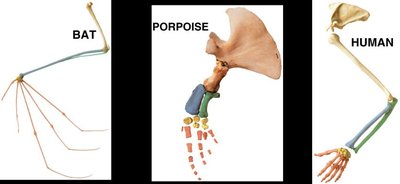
Comparative anatomy provides strong evidence for evolution by revealing structural similarities among different species, indicating common ancestry. For example, the forelimbs of bats, porpoises, and humans are constructed from similar bones, despite their different functions. These homologous structures support the idea of descent with modification.
Homologous structures: Anatomical features in different species that originated from a common ancestor.
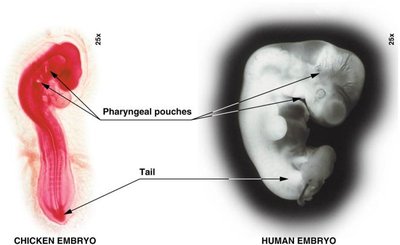
Comparative embryology: Early developmental stages of vertebrates (e.g., chicken and human embryos) show similar features such as pharyngeal pouches and tails, further supporting evolutionary relationships.
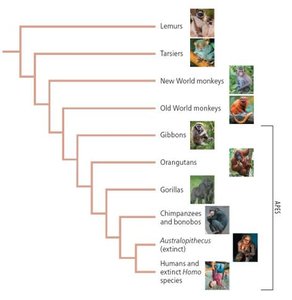
Phylogenetic trees: Visual representations of evolutionary relationships among species, showing how humans are related to other primates.
Genetic Evidence for Human Similarity
Genetic studies reveal that all humans share a recent common ancestry and that the concept of biological races is not supported by genetic data. Most genetic variation occurs within populations rather than between them.
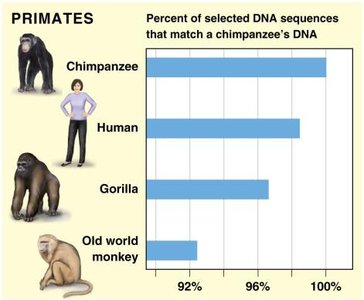
DNA sequence similarity: Humans share a high percentage of DNA with other primates, especially chimpanzees.
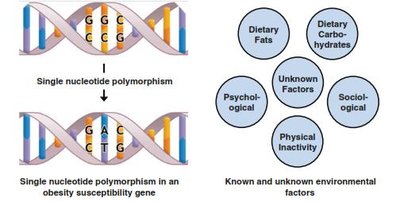
Single nucleotide polymorphisms (SNPs): Most human genetic variation is due to SNPs, but no SNP is unique to all members of any described race.
Population genetics: Studies allele frequencies to understand evolutionary changes and genetic diversity within and between populations.
Populations Over Evolutionary Time: Adaptation and Selection
Lactase Persistence and Sickle Cell Anaemia
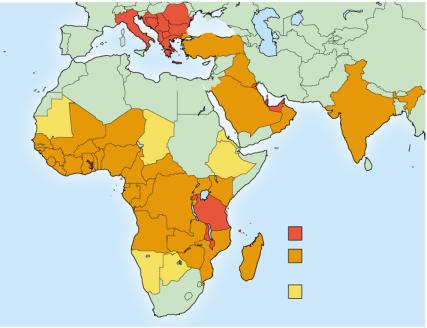
Human populations have adapted to different environments through natural selection, leading to traits such as lactase persistence and sickle cell anaemia.
Lactase persistence: The continued ability to digest lactose into adulthood, common in populations with a history of dairy farming. Different genetic mutations in Europe and Africa lead to the same trait (convergent adaptation).
Sickle cell anaemia: A genetic disorder caused by a mutation in the hemoglobin gene. The sickle cell allele is more common in regions with malaria, as heterozygotes have increased resistance to malaria (balanced polymorphism).
Quantitative Traits and Polygenic Inheritance
Polygenic and Multifactorial Traits
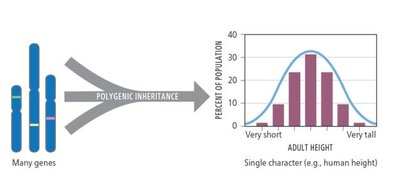
Many human traits, such as height, skin color, and intelligence, are quantitative traits influenced by multiple genes (polygenic inheritance) and environmental factors (multifactorial inheritance).
Polygenic inheritance: Multiple genes contribute to a single trait, resulting in continuous variation (e.g., height).
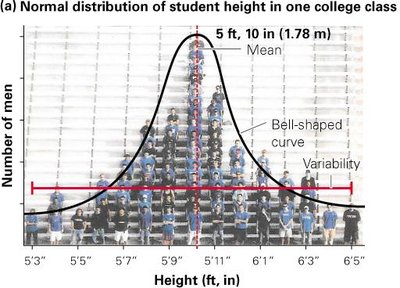
Quantitative traits: Traits that show a range of phenotypes, often displayed as a normal distribution (bell curve) in a population.
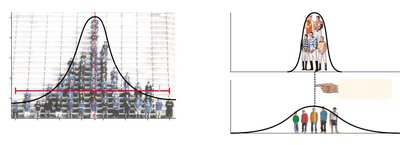
Variance: A measure of how much individuals in a population differ from the mean value of a trait.
Pleiotropy and Pedigrees
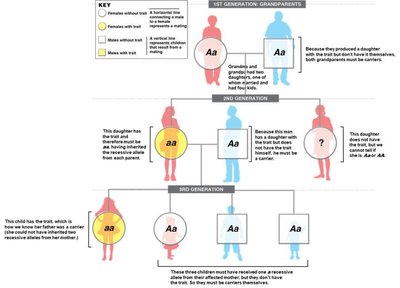
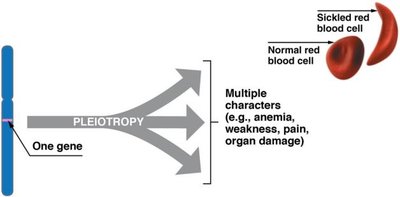
Some genes have multiple effects (pleiotropy), and pedigrees can be used to track inheritance patterns of genetic traits in families.
Pleiotropy: One gene influences multiple phenotypic traits (e.g., sickle cell mutation affects anemia, organ damage, etc.).
Pedigree analysis: Used to determine inheritance patterns and calculate allele frequencies in populations.
Genes, Environment, and Heritability
Heritability and Twin Studies
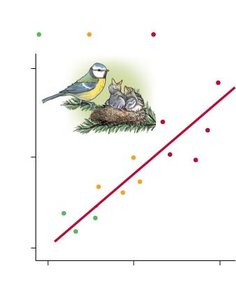
Heritability measures the proportion of variation in a trait due to genetic differences within a population. Twin studies help separate genetic and environmental influences.
Heritability: A population-specific measure; does not indicate the importance of genes for an individual.
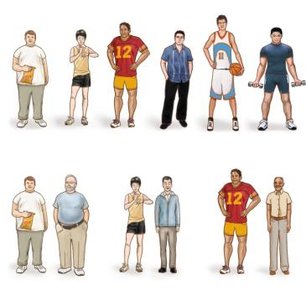
Twin studies: Compare monozygotic (identical) and dizygotic (fraternal) twins to estimate genetic contributions to traits.
Natural experiments: Used to study the effects of genes and environment by limiting one factor (e.g., adoption studies).

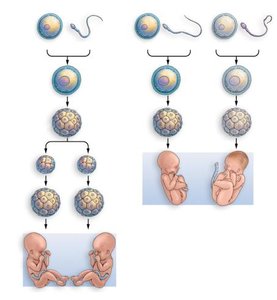
Gene-Environment Interactions and Epigenetics
Traits can be influenced by both genetic and environmental factors. Epigenetics studies changes in gene expression caused by environmental factors, which can sometimes be inherited.
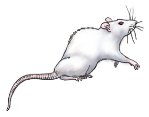
Gene-environment interaction: The effect of genes can depend on the environment (e.g., PKU, maze learning in rats).
Epigenetics: Environmental factors can modify gene expression without changing the DNA sequence (e.g., DNA methylation in agouti mice).
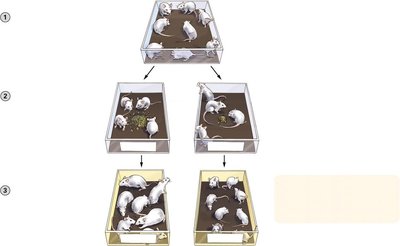
Obesity: A Multifactorial Trait
Genetic and Environmental Contributions to Obesity
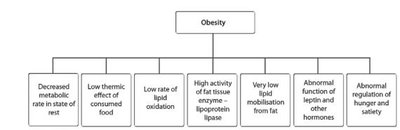
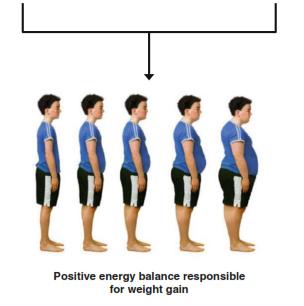
Obesity is a complex trait influenced by multiple genes and environmental factors such as diet, physical activity, and socioeconomic status. It is associated with increased risk for various diseases.
Body Mass Index (BMI): Used to classify obesity; calculated as weight (kg) divided by height squared (m2).
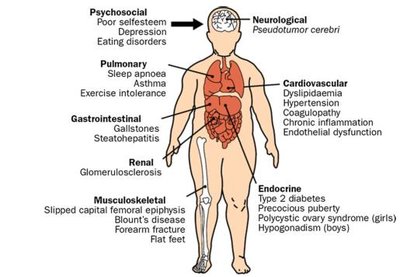
Health risks: Obesity increases the risk of type 2 diabetes, cardiovascular disease, and certain cancers.
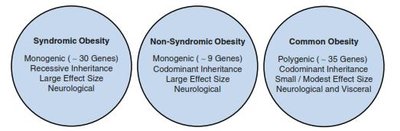
Types of obesity: Syndromic (monogenic), non-syndromic (monogenic), and common (polygenic).
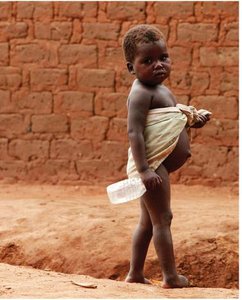
Monogenic, Polygenic, and Multifactorial Traits
Classification of Traits
Traits can be classified based on the number of genes involved and the influence of environmental factors.
Monogenic (Mendelian) traits: Caused by a single gene (e.g., PKU).
Polygenic traits: Influenced by many genes (e.g., height, skin color).
Multifactorial traits: Influenced by both genes and environment (e.g., type 2 diabetes, obesity).
Phenylketonuria (PKU): A Gene-Environment Example
PKU is a metabolic disorder caused by mutations in the gene for phenylalanine hydroxylase. The severity of symptoms can be reduced by dietary management, illustrating the importance of gene-environment interactions.
PKU inheritance: Autosomal recessive disorder; individuals with two defective alleles cannot metabolize phenylalanine properly.
Environmental modification: Avoiding phenylalanine in the diet prevents severe symptoms.
Heritability and Intelligence
Understanding Heritability
Heritability is a measure of how much genetic differences contribute to variation in a trait within a population. It does not indicate the importance of genes for an individual or apply to differences between populations.
Familial traits: Traits shared by family members due to shared genes or environment.
Heritable traits: Traits where similarity is due to shared genes.
Limitations: Heritability estimates are specific to the population and environment studied.
Summary Table: Types of Genetic Traits
Trait Type | Genetic Basis | Environmental Influence | Examples |
|---|---|---|---|
Monogenic | Single gene | Low | PKU, cystic fibrosis |
Polygenic | Multiple genes | Variable | Height, skin color |
Multifactorial | Multiple genes | High | Obesity, type 2 diabetes |
Additional info: This guide integrates content from textbook chapters and lecture slides, expanding on key concepts in human evolution, genetics, and the interaction between genes and environment. It is suitable for exam preparation in a college-level biology course.
