 Back
BackGlobal Climate Change: Causes, Impacts, and Mitigation
Study Guide - Smart Notes
 Tailored notes based on your materials, expanded with key definitions, examples, and context.
Global Climate Change
Introduction to Global Climate Change
Global climate change refers to a suite of long-term changes in Earth's climate, including shifts in temperature, precipitation, and the frequency and severity of storms. These changes are driven by both natural processes and human activities, with recent trends showing a significant anthropogenic influence.
Climate vs. Weather
Definitions and Distinctions
Climate: The long-term average of atmospheric conditions, typically measured over decades or centuries.
Weather: The short-term state of the atmosphere, including temperature, precipitation, and wind, over hours to weeks.
Global Climate Change: Encompasses changes in temperature, precipitation, storm patterns, and other climate-related phenomena on a global scale.
Factors Influencing Climate
Major Influences
Sun: The primary source of Earth's energy, driving atmospheric and oceanic circulation.
Atmosphere: Retains heat and moderates temperature fluctuations, acting as a thermal blanket.
Oceans: Store and redistribute heat and moisture, influencing climate patterns globally.
Approximately 70% of incoming solar radiation is absorbed by the atmosphere, land, ice, and water, while about 30% is reflected back into space.
Greenhouse Gases and the Greenhouse Effect
Mechanism and Key Gases
When Earth absorbs solar radiation, it re-emits energy as infrared (IR) radiation.
Greenhouse gases (GHGs) such as water vapor, ozone, carbon dioxide (CO2), nitrous oxide (N2O), methane (CH4), and halocarbons absorb and re-radiate IR energy, warming the troposphere.
CO2 is the most prevalent anthropogenic greenhouse gas, primarily from fossil fuel combustion and deforestation.
Anthropogenic Causes of Greenhouse Gas Increase
Human Activities
Burning fossil fuels (coal, oil, natural gas) for energy and transportation.
Deforestation, reducing carbon sequestration capacity.
Agricultural practices, including livestock (methane emissions), rice farming, and landfills.
Nitrous oxide emissions from fertilizers and industrial processes.
Water vapor concentrations have remained relatively stable.
Natural Causes of Climate Change
Key Natural Drivers
Milankovitch Cycles: Variations in Earth's orbit and axial tilt, influencing long-term climate patterns such as ice ages.
Solar Output: Fluctuations in the sun's energy output.
Ocean Absorption: Oceans absorb CO2, moderating atmospheric concentrations.
Ocean Circulation: Redistribution of heat via currents affects regional climates.
Current Evidence of Climate Change
Observed Trends
Rising average surface temperatures; 19 of the warmest years on record have occurred since 1995.
Projected temperature increases of 1–3.7°C by the end of the next century.
Overall increase in precipitation, but with uneven distribution leading to floods and droughts.
Doubling of extreme weather events since 1970.
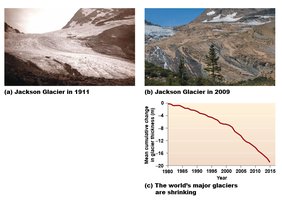
Melting glaciers, polar ice, and thawing permafrost.
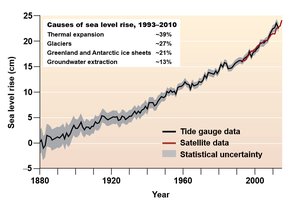
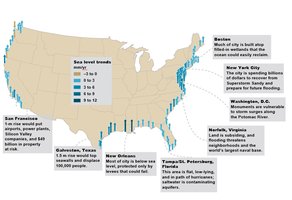
Rising sea levels due to ice melt and thermal expansion of water.
Impacts on Other Organisms
Biodiversity and Ecosystem Effects
Ocean acidification threatens marine organisms, especially coral reefs.
Temperature-dependent biological processes are disrupted, causing trophic mismatches and range shifts.
Increased droughts, fires, and altered precipitation patterns affect plant communities and aquatic ecosystems.
Societal Concerns
Human and Economic Impacts
Agriculture: Initial yield increases may be offset by long-term declines due to extreme weather.
Forestry: Potential for increased growth, but higher risks of drought, fire, disease, and pests.
Human Health: More heat waves, spread of tropical diseases, and increased severe weather events.
Economics: Costs associated with damage, adaptation, and mitigation efforts.
Human Responsibility for Climate Change
Anthropogenic Drivers
Sharp rise in greenhouse gas concentrations due to fossil fuel combustion and loss of carbon-absorbing vegetation.
Solutions to Climate Change
Mitigation and Adaptation
Mitigation: Actions to reduce the severity of climate change, such as improving energy efficiency, reducing fossil fuel use, adopting alternative energy sources, and preserving forests.
Adaptation: Strategies to cope with climate impacts, including building sea walls, pumping systems, and coastal zoning.
Mitigation Possibilities
Reducing Emissions
Electrical Generation: Accounts for 40% of US CO2 emissions, mainly from coal. Solutions include stricter emissions standards, alternative energy, and reduced consumption.
Carbon Capture and Storage (CCS): Technology to sequester CO2, though current methods are limited in scale and effectiveness.
Land Management: Preserving forests, improving cropland and grazing practices, reducing methane from agriculture, and reforestation.
Waste Management: Reducing waste, using waste for energy, and capturing methane from landfills.
Government Intervention
Policy Approaches
EPA regulation of CO2 under the Clean Air Act.
Clean Power Plan for regulating power plant emissions.
Cap-and-trade systems to limit and reduce emissions over time.
Carbon Pricing Mechanisms
Economic Incentives
Carbon Trading: Government issues permits for emissions, which can be bought and sold. Cap-and-trade systems set a total emissions cap and gradually lower it.
Carbon Taxing: Polluters pay a tax per unit of CO2 emitted. Fee-and-dividend systems return tax revenue to consumers to offset increased costs.
Carbon Offsets
Achieving Carbon Neutrality
Polluters fund projects (e.g., reforestation, renewable energy) to offset their emissions, aiming for net-zero carbon output.
