 Back
BackHomeostasis and Regulation: Nervous and Endocrine Systems
Study Guide - Smart Notes
 Tailored notes based on your materials, expanded with key definitions, examples, and context.
Homeostasis: Maintaining the Internal Environment
Introduction to Homeostasis
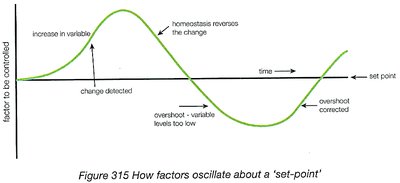
Homeostasis is the process by which living organisms maintain a relatively constant internal environment, ensuring optimal conditions for cellular function and survival. This regulation is essential for processes such as enzyme activity, cellular respiration, and the removal of toxic substances.
Key factors regulated: body temperature, water availability, blood glucose level, and carbon dioxide concentration.
Tolerance limits: The maximum and minimum values of these factors within which an organism can survive and function efficiently.
Homeostatic mechanisms: Involve detection of changes (stimuli) and responses that restore balance, often through negative feedback loops.
Importance of Homeostasis
Maintains optimal conditions for enzyme function (e.g., pH, temperature).
Ensures efficient cellular respiration by providing sufficient oxygen and glucose.
Keeps toxic substances (e.g., CO2) at low concentrations.
Key Homeostatic Processes
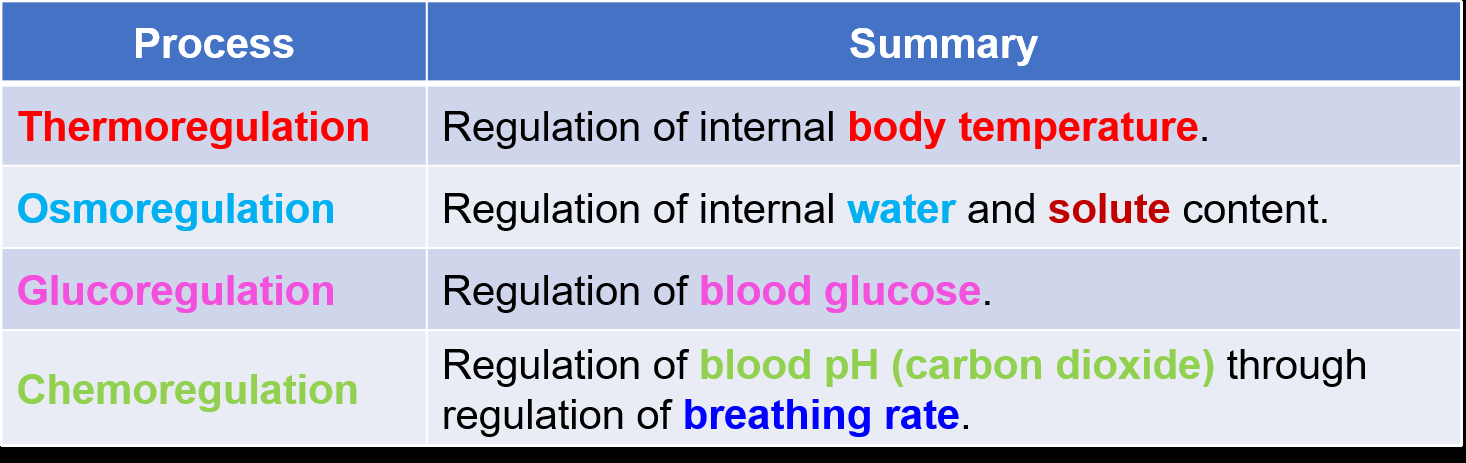
Process | Summary |
|---|---|
Thermoregulation | Regulation of internal body temperature. |
Osmoregulation | Regulation of internal water and solute content. |
Glucoregulation | Regulation of blood glucose. |
Chemoregulation | Regulation of blood pH (carbon dioxide) through regulation of breathing rate. |
Stimulus–Response and Feedback Mechanisms
Stimulus–Response Model
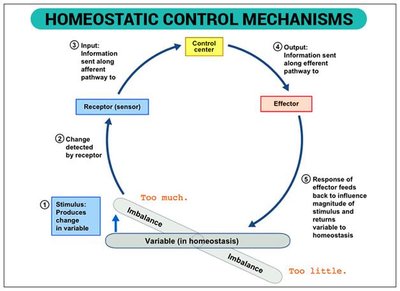
The stimulus–response model describes how organisms detect and respond to changes in their environment. This model is fundamental to understanding homeostatic regulation.
Stimulus: A detectable change in the internal or external environment.
Receptor: Specialized cells or tissues that detect the stimulus.
Transmission: Relay of information via nerves and/or hormones to effectors.
Effector: Muscles or glands that produce a response.
Response: The action taken to counteract the stimulus.
Feedback: The effect of the response on the original stimulus (negative or positive).
Negative and Positive Feedback
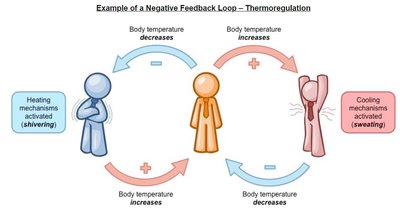
Negative feedback: The response diminishes or reverses the original stimulus, promoting equilibrium (e.g., thermoregulation, blood glucose regulation).
Positive feedback: The response reinforces the original stimulus, amplifying the change (e.g., childbirth, blood clotting).
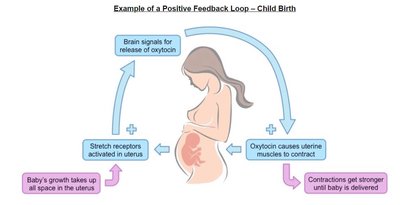
Factors with Tolerance Limits
Body Temperature
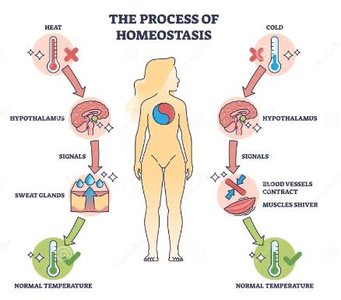
Maintained between 36°C and 38°C in mammals.
Below tolerance: Enzyme reactions slow down.
Above tolerance: Enzymes denature, metabolic processes fail.
Water Availability (Osmoregulation)
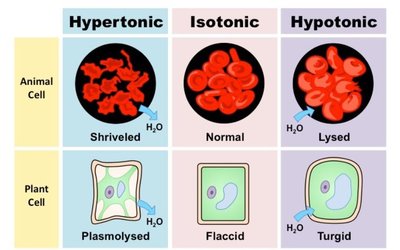
Essential for transport, metabolism, thermoregulation, movement, reproduction, and support.
Osmoregulation maintains water balance; failure leads to cell shrinkage or swelling.
Blood Glucose Level (Glucoregulation)
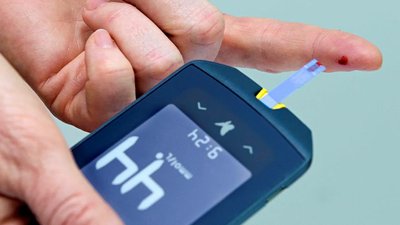
Regulated by insulin and glucagon (antagonistic hormones).
Below tolerance: Hypoglycaemia, insufficient energy for cells.
Above tolerance: Hyperglycaemia, dehydration, and organ damage.
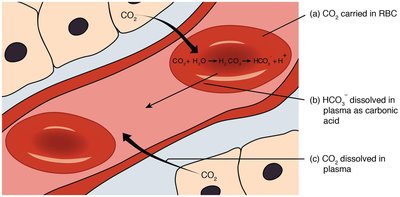
Carbon Dioxide Concentration (Chemoregulation)
CO2 is a byproduct of cellular respiration; excess forms carbonic acid, lowering blood pH.
Regulated by breathing rate; imbalance leads to respiratory acidosis or alkalosis.
Detection and Response: Sensory Receptors and Effectors
Sensory Receptors
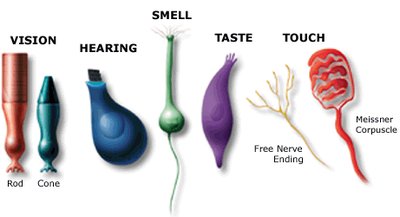
Sensory receptors detect changes in the environment and initiate the stimulus–response pathway.
Types: Mechanoreceptors (touch), photoreceptors (light), thermoreceptors (temperature), chemoreceptors (chemicals), nociceptors (pain).
Location: Skin, eyes, ears, nose, tongue, blood vessels.
Effectors
Effectors are organs (muscles or glands) that carry out the response to a stimulus, restoring homeostasis.
Muscles contract for movement or shivering.
Glands secrete hormones or other substances.
The Nervous System
Structure and Function
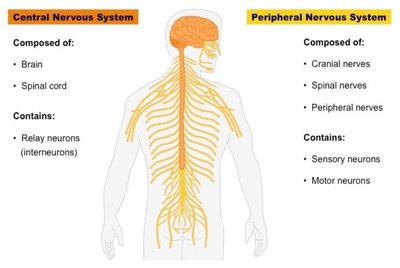
Central Nervous System (CNS): Brain and spinal cord; integrates information and coordinates responses.
Peripheral Nervous System (PNS): All other nerves; transmits information between CNS, receptors, and effectors.
Neurons
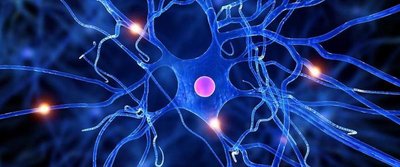
Sensory neurons: Transmit information from receptors to CNS.
Interneurons: Link sensory and motor neurons within CNS.
Motor neurons: Transmit information from CNS to effectors.
Nerve Pathways and Reflexes
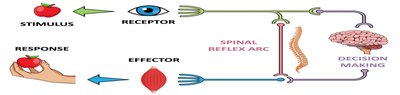
Reflex arcs are rapid, involuntary responses to stimuli that protect the body from harm.
Pathway: Stimulus → receptor → sensory neuron → interneuron (spinal cord) → motor neuron → effector → response.
Synapses and Neurotransmitters
Synapse: The junction between two neurons or a neuron and an effector.
Neurotransmitter: Chemical messenger released at synapses, enabling nerve impulse transmission.
Examples: Acetylcholine, norepinephrine, dopamine, serotonin.
The Endocrine System
Hormones and Their Actions
Hormones are chemical messengers released by endocrine glands into the bloodstream, affecting target cells with specific receptors.
Types: Amino acid derivatives, peptides, proteins, steroids.
Examples: Insulin, glucagon, thyroxine, adrenaline, ADH.
Blood Glucose Regulation
Hormone | Secreted by | Stimulus | Effect |
|---|---|---|---|
Insulin | Beta cells (pancreas) | High blood glucose | Lowers blood glucose by promoting uptake and storage as glycogen |
Glucagon | Alpha cells (pancreas) | Low blood glucose | Raises blood glucose by promoting glycogen breakdown |
Diabetes Mellitus
Type 1: Autoimmune destruction of insulin-producing cells; requires insulin injections.
Type 2: Reduced sensitivity to insulin; managed by diet, exercise, and medication.
Gestational: Reduced insulin response during pregnancy.
Thyroid Hormones and Metabolism
Thyroxine (T4): Regulates basal metabolic rate and heat production; controlled by thyroid-stimulating hormone (TSH) via negative feedback.
Hypothyroidism: Insufficient thyroxine; symptoms include lethargy and cold intolerance.
Hyperthyroidism: Excess thyroxine; symptoms include rapid heartbeat and heat intolerance.
Osmoregulation and ADH
Antidiuretic hormone (ADH): Produced in the hypothalamus, released from the pituitary gland; increases water reabsorption in the kidneys, raising blood volume and pressure.
Osmoreceptors detect changes in blood osmolarity, triggering ADH release as needed.
Comparing Nervous and Endocrine Systems
Feature | Nervous System | Endocrine System |
|---|---|---|
Type of message | Electrochemical (nerve impulses) | Chemical (hormones) |
Transmission medium | Neurons | Bloodstream |
Speed | Fast (milliseconds) | Slower (seconds to days) |
Duration | Short-lived | Longer-lasting |
Specificity | Highly specific | Less specific, widespread |
Integration in Homeostasis
Both systems work together to regulate body temperature, osmoregulation, blood glucose, and pH.
Nervous system provides rapid, targeted responses; endocrine system provides slower, sustained regulation.
Practice Questions and Applications
Explain why maintaining body temperature is critical for enzyme function.
Describe the role of negative feedback in blood glucose regulation.
Compare the actions of insulin and glucagon.
Discuss how ADH regulates water balance and its effect on blood pressure.
Describe how the nervous and endocrine systems coordinate the fight-or-flight response.
