 Back
BackHow Populations Evolve: Mechanisms of Evolutionary Change
Study Guide - Smart Notes
 Tailored notes based on your materials, expanded with key definitions, examples, and context.
How Populations Evolve
Introduction to Population Evolution
Evolution is the change in the genetic composition of populations over time. This process is driven by several mechanisms that alter allele frequencies within a population, leading to adaptation and diversity among living organisms.
Alleles, Genotype, and Phenotype
Genetic Variation in Populations
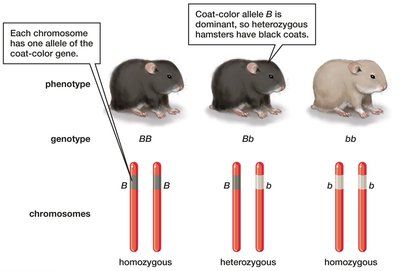
Genetic variation is the foundation of evolution. Alleles are different forms of a gene found at the same locus on homologous chromosomes. The combination of alleles an individual possesses is its genotype, which determines its phenotype (observable traits).
Homozygous: Both alleles are the same (e.g., BB or bb).
Heterozygous: Two different alleles (e.g., Bb).
Dominant alleles mask the effect of recessive alleles in heterozygotes.
The Gene Pool
Definition and Importance
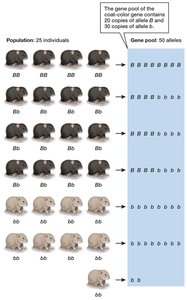
The gene pool of a population consists of all the alleles present in all individuals of that population. Evolution occurs as the frequencies of these alleles change over generations.
Allele frequency: The proportion of a specific allele among all alleles for a gene in the population.
Genetic diversity within the gene pool is essential for a population's adaptability and survival.
Sources of Genetic Variation
Mutations
Mutations are random changes in DNA that create new alleles and increase genetic variability. Most mutations are neutral or harmful, but some can be beneficial and contribute to evolution.
Mutations occur spontaneously and are not directed by environmental needs.
They are the ultimate source of all genetic variation.
Genetic Drift
Random Changes in Allele Frequencies
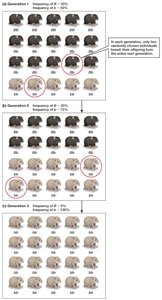
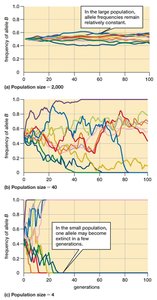
Genetic drift is the random fluctuation of allele frequencies in small populations. Unlike natural selection, genetic drift does not necessarily favor alleles that are beneficial.
Effects are more pronounced in small populations.
Can lead to the loss of alleles from the gene pool.
Effect of Population Size on Genetic Drift
The impact of genetic drift increases as population size decreases. In very small populations, alleles can become fixed (reach 100% frequency) or lost entirely within a few generations.
Population Bottlenecks
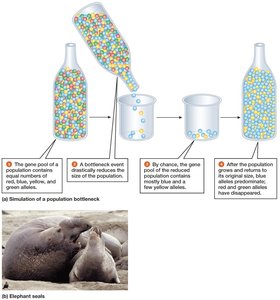
A population bottleneck occurs when a population's size is drastically reduced for at least one generation, leading to a loss of genetic diversity. The surviving population may have allele frequencies that differ from the original population.
Bottlenecks can result from natural disasters, disease, or human activities.
Reduced genetic variation can make populations more vulnerable to environmental changes.
Founder Effect
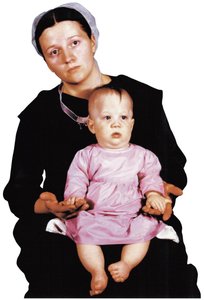
The founder effect is a type of genetic drift that occurs when a small group of individuals establishes a new population. The new population's gene pool may not represent the original population's genetic diversity.
Mechanisms of Evolution
Summary Table: Causes of Evolution
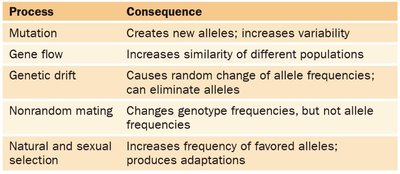
The main processes that drive evolution are summarized below:
Process | Consequence |
|---|---|
Mutation | Creates new alleles; increases variability |
Gene flow | Increases similarity of different populations |
Genetic drift | Causes random change of allele frequencies; can eliminate alleles |
Nonrandom mating | Changes genotype frequencies, but not allele frequencies |
Natural and sexual selection | Increases frequency of favored alleles; produces adaptations |
Natural Selection and Adaptation
Natural Selection
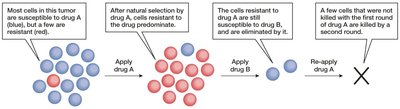
Natural selection is the process by which individuals with advantageous traits survive and reproduce more successfully, increasing the frequency of those traits in the population. Adaptations are traits that enhance survival and reproduction in a particular environment.
Selection acts on phenotypes, but only heritable traits are passed to offspring.
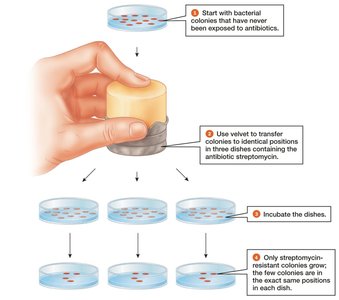
Natural selection can lead to the evolution of resistance, such as in cancer cells or bacteria exposed to antibiotics.
Sexual Selection
Competition and Mate Choice
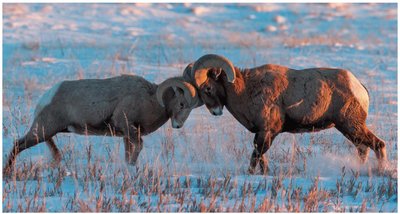
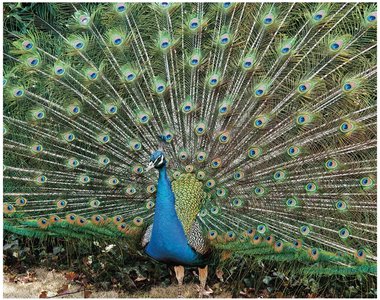
Sexual selection is a form of natural selection where certain traits increase an individual's chances of mating. This can result from competition between members of the same sex or mate choice by the opposite sex.
Traits favored by sexual selection may not always enhance survival but increase reproductive success.
Examples include elaborate displays, combat structures, or courtship behaviors.
Patterns of Selection
Types of Selection
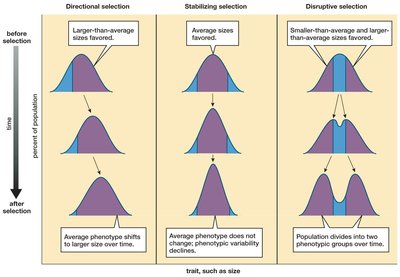
Natural selection can affect the distribution of phenotypes in a population in three main ways:
Directional selection: Favors individuals at one extreme of a trait, shifting the population mean.
Stabilizing selection: Favors intermediate phenotypes, reducing variation.
Disruptive selection: Favors individuals at both extremes, increasing variation and potentially leading to speciation.
Conclusion
Evolution in populations is driven by multiple mechanisms, including mutation, gene flow, genetic drift, nonrandom mating, and natural and sexual selection. Understanding these processes is essential for explaining the diversity of life and the adaptation of organisms to their environments.
