 Back
BackImmunology: Innate and Adaptive Immune Responses, Diseases, and Viral Infections
Study Guide - Smart Notes
 Tailored notes based on your materials, expanded with key definitions, examples, and context.
Immune System Overview
Innate (Non-Specific) Defense Mechanisms
The innate immune system provides the body's first line of defense against pathogens, acting rapidly and non-specifically. It includes physical barriers, phagocytic cells, and chemical mediators.
Physical Barriers: Skin and mucous membranes block pathogen entry.
Phagocytic White Blood Cells: Neutrophils and macrophages engulf and destroy pathogens.
Macrophages: Large phagocytic cells that digest microbes and present antigens to lymphocytes.
Interferons: Proteins released by virus-infected cells to inhibit viral replication in neighboring cells.
Inflammatory Response: Mobilizes immune cells to sites of infection, causing redness, heat, swelling, and pain.
Lymphatic System: Transports lymph, houses immune cells, and filters pathogens.
Example: A cut on the skin triggers inflammation, recruiting phagocytes to destroy invading bacteria.
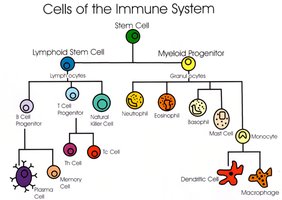
Adaptive (Specific) Immunity
The adaptive immune system targets specific pathogens using lymphocytes and antibodies. It is slower to respond but provides long-lasting protection.
Antigens: Molecules on pathogens recognized by the immune system.
Antibodies: Proteins produced by B cells that bind to antigens and neutralize pathogens.
Active Immunity: Acquired through infection or vaccination; the body produces its own antibodies.
Passive Immunity: Acquired by receiving antibodies from another source (e.g., maternal antibodies, antiserum).
Example: Vaccination induces active immunity by stimulating antibody production.
Clonal Selection and Immune Response
Primary and Secondary Immune Response
Clonal selection is the process by which specific B cells are activated and cloned in response to an antigen. The immune response is stronger and faster upon subsequent exposures.
Primary Response: First exposure to antigen; B cells produce plasma cells and memory cells.
Secondary Response: Memory B cells rapidly produce antibodies upon re-exposure; response is larger and faster.
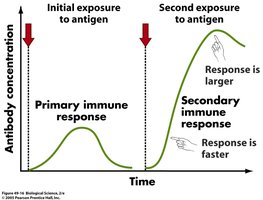
Example: After recovering from chickenpox, memory cells prevent reinfection.
Humoral and Cell-Mediated Immunity
Humoral Immunity
Humoral immunity involves B cells and antibodies that target pathogens in blood and body fluids.
B Cells: Produce antibodies and memory cells.
Antibodies: Mark antigens for elimination by neutralization, opsonization, and complement activation.
Example: Antibodies neutralize toxins released by bacteria.
Cell-Mediated Immunity
Cell-mediated immunity involves T cells that target infected or abnormal cells.
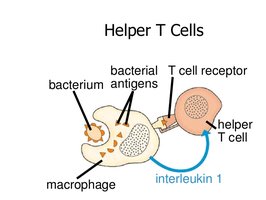
Helper T Cells: Activate cytotoxic T cells and macrophages; stimulate antibody production.
Cytotoxic (Killer) T Cells: Destroy infected cells by releasing perforin and enzymes.
Perforin: Forms pores in target cell membranes, allowing enzymes to enter and induce cell death.
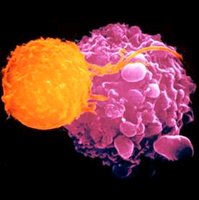
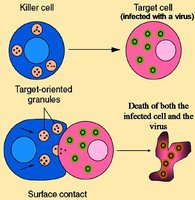
Example: Cytotoxic T cells kill virus-infected cells and cancer cells.
Immune System Disorders
Autoimmune Diseases
Autoimmune diseases occur when the immune system attacks the body's own cells, mistaking them for pathogens.
B Cells: Produce antibodies against self molecules.
Examples: Lupus, Multiple Sclerosis (MS), Rheumatoid Arthritis.
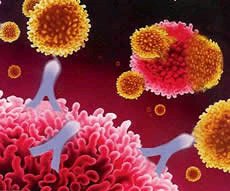
Example: In rheumatoid arthritis, antibodies attack joint tissues, causing inflammation.
Allergies
Allergies are hypersensitivity reactions to environmental antigens (allergens).
Sensitization: B cells produce antibodies to allergens.
Mast Cells: Release histamines, triggering inflammation.
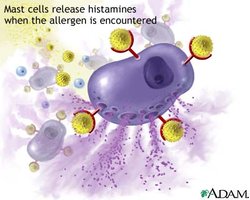
Example: Pollen exposure causes hay fever symptoms.
Immunodeficiency Diseases
Immunodeficiency diseases result from deficient or inactive lymphocytes, leading to increased susceptibility to infections.
Examples: Severe Combined Immunodeficiency (SCID), Acquired Immunodeficiency Syndrome (AIDS).

Example: SCID patients require protective environments to avoid infection.
HIV and AIDS
HIV Infection Mechanism
HIV targets helper T cells, suppressing both humoral and cell-mediated immunity. The virus binds to T cell receptors, enters the cell, and replicates, eventually destroying the cell.
HIV Proteins: Bind to helper T cell surface.
Viral Genome: Replicates inside T cell, forming new viruses.
Immune Suppression: Loss of T cells reduces immune response.
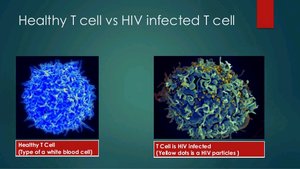
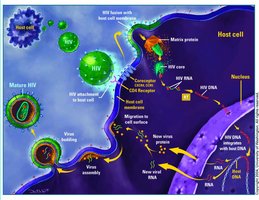
Example: HIV-infected individuals are susceptible to opportunistic infections.
Immune Response to Covid-19 (SARS-CoV-2)
Covid-19 Virus Structure and Entry
SARS-CoV-2 uses the ACE-2 receptor to enter host cells in the respiratory tract. The virus replicates inside cells, causing cell death and inflammation.
ACE-2 Receptor: Entry point for SARS-CoV-2.
Viral Replication: Leads to cell death and fluid build-up in lungs.
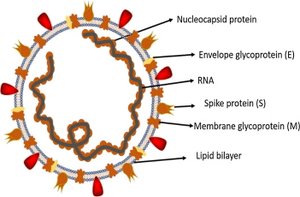
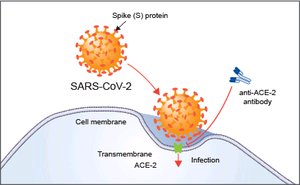
Example: Severe Covid-19 can cause pneumonia and respiratory distress.
Covid-19 Pathology and Immune Response
Covid-19 infection can trigger a severe inflammatory response, known as a cytokine storm, leading to blood clots, nerve damage, and organ failure.
Cytokine Storm: Excessive immune response causing tissue damage.
Immune Cell Levels: Severe cases show reduced B cells, T cells, and white blood cells.
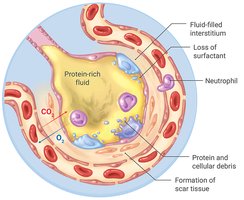
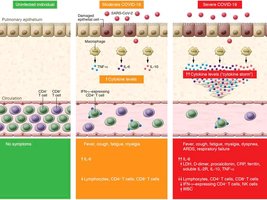
Example: ICU patients with Covid-19 may experience organ failure due to cytokine storm.
Additional info: Recent studies suggest cytokine levels (IL-6, IL-8) in Covid-19 ICU patients may not be higher than in non-Covid ICU patients.
