 Back
BackMarine and Coastal Systems: Structure, Function, and Conservation
Study Guide - Smart Notes
 Tailored notes based on your materials, expanded with key definitions, examples, and context.
Marine and Coastal Systems
Major Types of Marine Ecosystems
Marine ecosystems are diverse environments found in oceans and coastal regions, each characterized by unique physical and biological features. These ecosystems include intertidal zones, salt marshes, mangrove forests, kelp forests, coral reefs, open ocean zones, and benthic zones.
Intertidal Zones: Areas between high and low tide, subject to extreme habitat conditions and high biodiversity.
Salt Marshes: Tidal areas with salt-tolerant plants, high productivity, pollution filtration, and shoreline stabilization.
Mangrove Forests: Tropical/subtropical equivalents of salt marshes, nursery areas for fish, storm protection.
Kelp Forests: Large algae providing shelter and food, absorbing wave energy.
Coral Reefs: Tropical/subtropical, built by invertebrates with calcium carbonate skeletons, mutualistic with algae, highly biodiverse.
Open Ocean: Includes photic (sunlit), pelagic (open water), and benthic (ocean floor) zones.
Marine Environment: Chemical and Physical Processes
The marine environment is defined by its chemical composition and physical structure, which influence nutrient cycling, organism distribution, and ecosystem productivity.
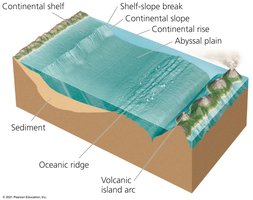
Ocean Floor Structure: Features such as continental shelves, slopes, rises, abyssal plains, oceanic ridges, and volcanic island arcs create diverse habitats.
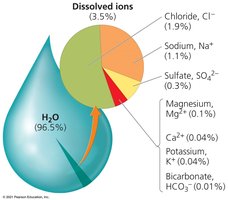
Ocean Water Composition: 96.5% water, 3.5% dissolved salts (mainly chloride, sodium, sulfate, magnesium, calcium, potassium, bicarbonate).
Nutrient Cycling: Nutrients from weathered rocks and sediments enter oceans, supporting marine life.
Gas Exchange: Oxygen is highest near the surface; carbon dioxide absorption lowers pH, contributing to acidification.
Ocean Temperature and Density
Temperature and density in the ocean vary with depth and location, affecting water movement and climate regulation.
Surface Zone: Warmest, least dense, extends to 150 m depth.
Pycnocline: Region where density increases with depth, below surface zone.
Deep Zone: Cold, dense, unaffected by surface conditions, comprises 80% of ocean water.
Thermal Stability: Water's high heat capacity stabilizes ocean temperatures, moderating global climate.
Ocean Currents
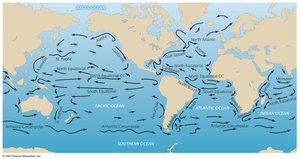
Ocean currents are large-scale water movements driven by wind, temperature, and density differences. They transport nutrients, organisms, and pollutants, and play a crucial role in climate regulation.
Surface Currents: Horizontal flows within the upper 400 m, influenced by wind and density.
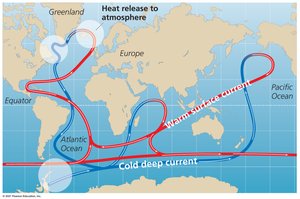
Thermohaline Circulation: Global system moving surface and deep water, redistributing heat.
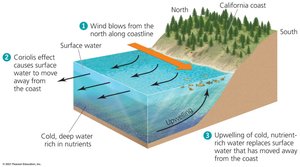
Upwelling and Downwelling
Upwelling and downwelling are vertical water movements that affect nutrient availability and productivity in marine ecosystems.
Upwelling: Cold, nutrient-rich water rises to the surface, supporting high productivity.
Downwelling: Surface water sinks, transferring oxygen and heat to deeper areas.
Oceans and Climate
Oceans absorb and release heat, moderating global climate. The speed and direction of ocean currents influence atmospheric temperatures and climate change.
Thermohaline Circulation: Moves heat from surface to deep ocean, slowing climate change effects.
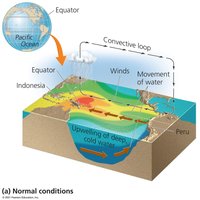
El Niño and La Niña
El Niño and La Niña are climate phenomena in the Pacific Ocean that disrupt normal upwelling and weather patterns, affecting marine productivity and global climate.
El Niño: Suppresses upwelling, devastates fisheries, alters global weather.
La Niña: Opposite effect, brings cold water to surface, also alters weather.
Threats to Marine Environments
Marine Pollutants
Marine environments are threatened by pollution from various sources, including plastics, oil, heavy metals, and nutrient runoff.
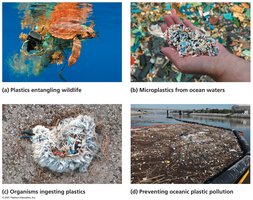
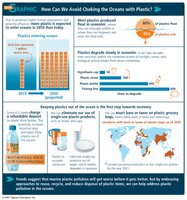
Plastics: Cause entanglement and ingestion by wildlife, persist for centuries, major source from rivers in Asia and Africa.
Oil Pollution: Catastrophic spills, regulated by laws (e.g., US Oil Pollution Act), harm marine life and industries.
Toxins: Heavy metals bioaccumulate up the food chain, released from fossil fuel burning.
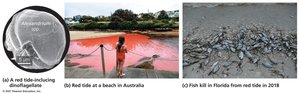
Eutrophication: Excess nutrients cause algal blooms (red tides), produce toxins, create hypoxic "dead zones".
Ocean Acidification: CO2 absorption lowers pH, erodes coral skeletons.
Overexploitation
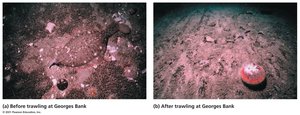
Overfishing and technological advances have led to the depletion of marine fish populations, threatening ecosystem stability and food security.
Fully Exploited: 60% of marine fish stocks.
Overexploited: 30% of marine fish stocks, declining populations.
Bycatch: Unintended capture of non-target species, environmental problem.
Catch Rates: Stabilized at lower levels, but populations not stable due to increased fishing effort and smaller fish sizes.
Protection and Conservation of Marine Environments
Marine Protected Areas and Reserves
Conservation strategies include establishing marine protected areas (MPAs) and marine reserves to preserve biodiversity, productivity, and ecosystem services.
Marine Protected Areas: Limit human activities, cover 7.6% of ocean, most allow fishing.
Marine Reserves: No fishing allowed, preserve intact ecosystems, increase fish stocks and biodiversity, serve as source areas.
Aquaculture
Aquaculture is the farming of fish and other aquatic organisms in controlled environments, supplementing wild-caught seafood and reducing pressure on natural populations.
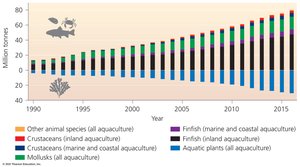
Growth: Aquaculture production has increased steadily since 1990.
Species: Includes finfish, crustaceans, mollusks, and aquatic plants.
Summary Table: Marine Ecosystem Types and Key Features
Ecosystem Type | Location | Key Features | Importance |
|---|---|---|---|
Intertidal Zone | Coastlines | Extreme conditions, patchy habitats | High biodiversity |
Salt Marsh | Temperate coasts | Salt-tolerant plants, tidal creeks | Nursery, pollution filter |
Mangrove Forest | Tropical/subtropical coasts | Salt-tolerant trees | Nursery, storm protection |
Kelp Forest | Continental shelves | Large algae, wave absorption | Shelter, food, shoreline protection |
Coral Reef | Tropical/subtropical | Calcium carbonate skeletons, mutualism with algae | Biodiversity, shoreline protection |
Open Ocean | Global | Photic, pelagic, benthic zones | Productivity, nutrient cycling |
Key Equations and Concepts
Density of Seawater: (where is density, is mass, is volume)
Ocean Acidification:
Eutrophication: Excess nutrients Algal blooms Oxygen depletion (hypoxia)
Additional info: Expanded explanations and context were added to ensure completeness and academic quality for exam preparation.
