 Back
BackPharmacology: Principles of Drug Action and Biological Implications
Study Guide - Smart Notes
 Tailored notes based on your materials, expanded with key definitions, examples, and context.
Overview of Pharmacology
Definition and Scope
Pharmacology is the integrated medical science that studies drugs, their actions, and their effects on living organisms. Unlike nutrients, drugs do not add new physiological or biochemical functions but alter the rates of existing biological processes.
Branches of Pharmacology: Includes pharmacodynamics, pharmacokinetics, pharmacotherapeutics, toxicology, pharmacy, pharmacognosy, pharmaceutical chemistry, and biopharmaceutics.
Importance: Understanding pharmacology is essential for safe and effective drug use, minimizing adverse effects, and optimizing therapeutic outcomes.
Branches of Pharmacology
Pharmacodynamics: Examines drug-induced responses in physiological and biochemical systems.
Pharmacokinetics: Studies the movement of drugs within the body (absorption, distribution, metabolism, excretion).
Pharmacotherapeutics: Focuses on the selection and application of drugs for disease treatment.
Toxicology: Investigates the harmful effects, mechanisms, and treatment of poisons.
Pharmacy: Involves preparation, compounding, dispensing, and record-keeping of drugs.
Pharmacognosy: Studies natural sources of drugs.
Pharmaceutical Chemistry: Concerns chemical synthesis and modification of drugs.
Biopharmaceutics: Examines how drug formulation affects pharmacodynamics and pharmacokinetics.
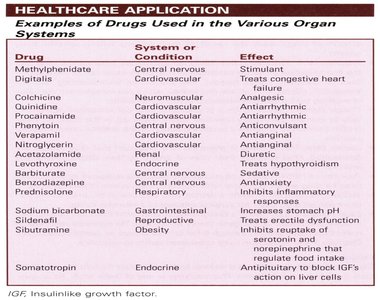
Examples of Drugs Used in Various Organ Systems
This table summarizes common drugs, their target systems, and effects.
Drug | System or Condition | Effect |
|---|---|---|
Methylphenidate | Central nervous | Stimulant |
Digitalis | Cardiovascular | Treats congestive heart failure |
Colchicine | Neuromuscular | Analgesic |
Quinidine | Cardiovascular | Antiarrhythmic |
Phenytoin | Central nervous | Anticonvulsant |
Levothyroxine | Endocrine | Treats hypothyroidism |
Barbiturate | Central nervous | Sedative |
Sodium bicarbonate | Gastrointestinal | Increases stomach pH |
Prednisolone | Respiratory | Inhibits inflammatory responses |
Sibutramine | Obesity | Inhibits reuptake of serotonin and norepinephrine |
Somatotropin | Endocrine | Antipituarity to block IGF's action on liver cells |
Drug Nomenclature
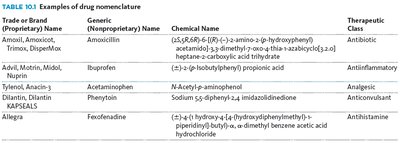
Classification and Naming
Drugs are classified as nonprescription (OTC) or prescription drugs. Each drug has three names:
Chemical Name: Precise chemical description (e.g., 3,5-dihydroxyphenylalanine).
Generic (Nonproprietary) Name: Common name (e.g., penicillin, aspirin).
Proprietary (Trade) Name: Licensed brand name.
Examples of Drug Nomenclature
Trade or Brand Name | Generic Name | Chemical Name | Therapeutic Class |
|---|---|---|---|
Amoxil, Amoxicot | Amoxicillin | (2S,5R,6R)-6-[(R)-2-amino-2-(p-hydroxyphenyl)acetamido]-3,3-dimethyl-7-oxo-4-thia-1-azabicyclo[3.2.0]heptane-2-carboxylic acid trihydrate | Antibiotic |
Advil, Motrin | Ibuprofen | (±)-2-(p-isobutylphenyl) propionic acid | Antiinflammatory |
Tylenol | Acetaminophen | N-Acetyl-p-aminophenol | Analgesic |
Allegra | Fexofenadine | (±)-4-[1-hydroxy-4-[4-(hydroxydiphenylmethyl)-1-piperidinyl]butyl]α,α-dimethyl benzene acetic acid hydrochloride | Antihistamine |
Sources of Drug Information
People: Clinicians, pharmacists, poison control centers, pharmaceutical representatives.
Published Information: Textbooks, newsletters, reference books, internet.
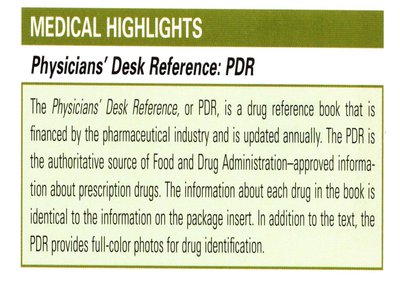
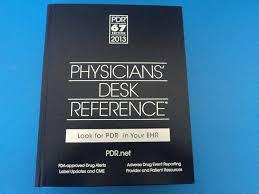
Medical Highlight: The Physicians' Desk Reference (PDR) is an authoritative source for FDA-approved drug information, updated annually, and includes full-color photos for drug identification.
Principles of Drug Action
Drug Administration
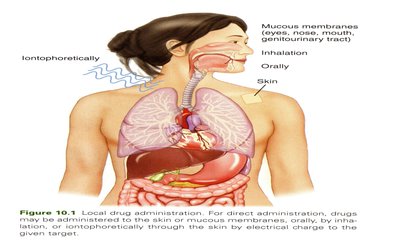
Drugs can be administered locally or systemically. The route affects absorption, distribution, and overall effect.
Local Administration: Skin, mucous membranes (nose, mouth, throat, eye, genitourinary tract), oral (limited), inhalation, iontophoretic (through skin using electrical charge).
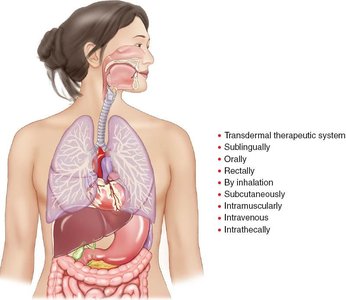
Systemic Administration: Transdermal, sublingual, oral, rectal, inhalation, subcutaneous, intramuscular, intravenous, intrathecal.
Examples of Systemic Drug Administration
Transdermal: Patch applied to skin for slow, controlled release.

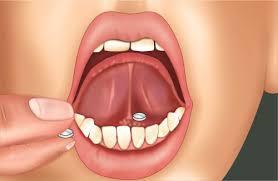
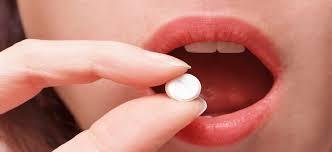
Sublingual: Tablet placed under the tongue for rapid absorption.
Oral: Swallowed for absorption via GI tract.
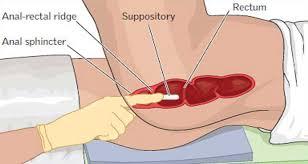
Rectal: Suppository inserted into rectum, useful for rapid absorption or when oral route is not possible.
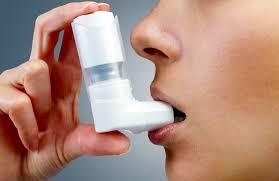
Inhalation: Drug delivered to lungs for rapid absorption.
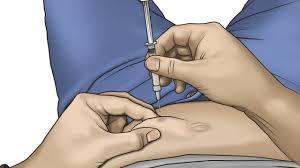
Subcutaneous: Injection under the skin for slow absorption.
Intramuscular: Injection into muscle for moderate to rapid absorption.
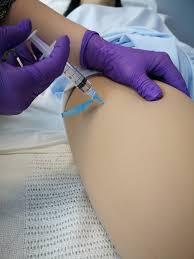
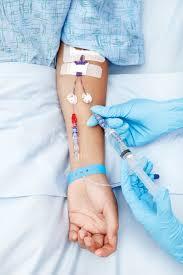
Intravenous: Direct injection into vein for immediate effect.
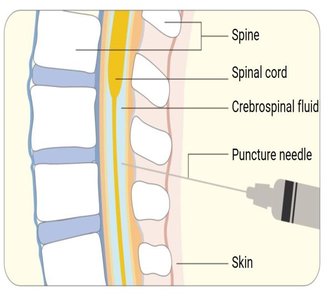
Intrathecal: Injection into spinal subarachnoid space for CNS effects.
Drug Absorption
After administration, drugs must be dissolved in body fluids and pass through biological barriers to reach their site of action. Absorption is influenced by:
Surface Area: Larger surface area increases absorption (e.g., small intestine).
Rate of Dissolution: Faster dissolution leads to quicker absorption.
Lipid Solubility: Lipid-soluble drugs cross membranes more easily.
Blood Flow: Higher blood flow enhances absorption.
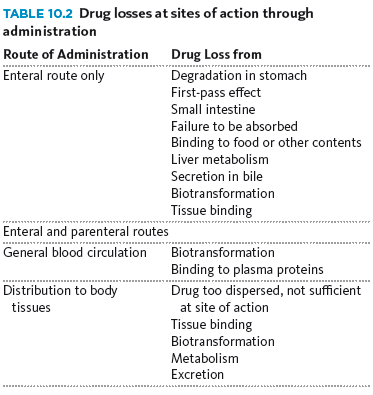
Drug Losses at Sites of Action
Route of Administration | Drug Loss from |
|---|---|
Enteral route only | Degradation in stomach, first-pass effect, small intestine, failure to be absorbed, binding to food, liver metabolism, secretion in bile, biotransformation, tissue binding |
Enteral and parenteral routes | Biotransformation |
General blood circulation | Biotransformation, binding to plasma proteins |
Distribution to body tissues | Drug too dispersed, tissue binding, biotransformation, metabolism, excretion |
Drug Distribution
Distribution is the transfer of drugs across biological membranes into body compartments (intracellular and extracellular fluids). Factors affecting distribution include chemical properties, solubility, blood flow, molecular size, and excretion.
Water-soluble drugs: Readily excreted.
Blood-brain barrier: Restricts entry of many drugs into the CNS.
Placenta: Allows transfer of drugs to the fetus.
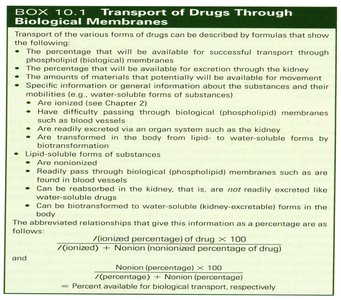
Box: Transport of drugs through biological membranes depends on ionization, lipid solubility, and the ability to cross phospholipid barriers. The following equations describe the percentage available for biological transport:
Biotransformation (Drug Metabolism)
Biotransformation is the process by which the body inactivates and prepares drugs for elimination, primarily in the liver. It involves two phases:
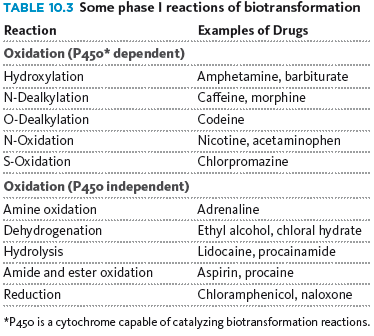
Phase I: Conversion to more ionized molecules (e.g., oxidation, reduction, hydrolysis).
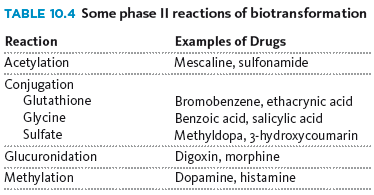
Phase II: Synthetic reactions (e.g., conjugation with glucuronic acid, sulfate, or glycine).
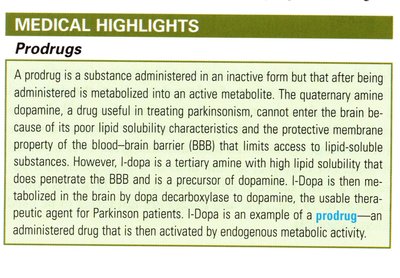
Medical Highlight: Prodrugs are administered in inactive forms and metabolized into active drugs (e.g., L-dopa for Parkinson's disease).
Examples of Phase I and II Biotransformation
Phase I Reaction | Examples of Drugs |
|---|---|
Hydroxylation | Amphetamine, barbiturate |
N-Dealkylation | Caffeine, morphine |
O-Dealkylation | Codeine |
N-Oxidation | Nicotine, acetaminophen |
S-Oxidation | Chlorpromazine |
Amine oxidation | Adrenaline |
Hydrolysis | Lidocaine, procainamide |
Reduction | Chloramphenicol, naloxone |
Phase II Reaction | Examples of Drugs |
|---|---|
Acetylation | Mescaline, sulfonamide |
Glutathione conjugation | Bromobenzene, ethacrynic acid |
Glycine conjugation | Benzoic acid, salicylic acid |
Sulfate conjugation | Methyldopa, 3-hydroxycoumarin |
Glucuronidation | Digoxin, morphine |
Methylation | Dopamine, histamine |
Clearance (Elimination)
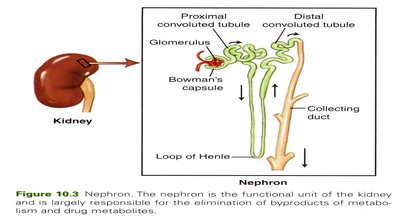
Drugs are primarily eliminated via the kidneys (glomerular filtration, tubular reabsorption, tubular secretion). Some drugs are metabolized in the liver and excreted via bile and feces.
Drug Responses
Dose-Response Relationship
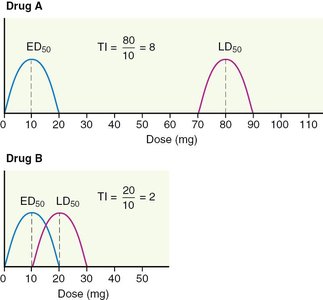
The effect of a drug depends on the dose administered. The therapeutic index (TI) is a measure of drug safety, calculated as:
TI = LD50 / ED50, where LD50 is the lethal dose for 50% of the population, and ED50 is the effective dose for 50%.
High TI: Drug is relatively safe.
Low TI: Drug is relatively unsafe.
Time-Response Curve
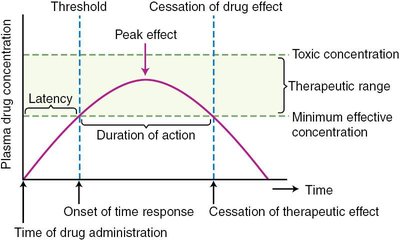
The time-response curve shows the relationship between drug concentration and time, indicating onset, peak effect, duration, and cessation of action.
Variability of Drug Action
First-pass effect: Metabolism in the liver or GI tract before reaching systemic circulation.
Chemical properties: Molecular weight, ionic charge, solubility.
Other factors: Liver/kidney disease, age, gender, species, circadian rhythms, starvation.
Toxicity
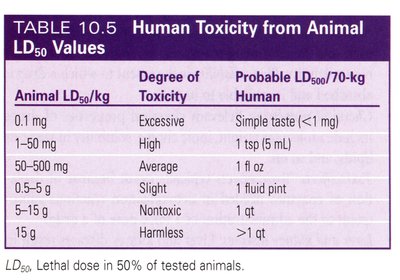
Toxic effects are harmful responses to drugs, classified as acute, subacute, or chronic. Toxicology studies the adverse effects, mechanisms, and treatments for poisons.
Animal LD50/kg | Degree of Toxicity | Probable LD50/70-kg Human |
|---|---|---|
0.1 mg | Excessive | Simple taste (<1 mg) |
1–50 mg | High | 1 tsp (5 mL) |
50–500 mg | Average | 1 fl oz |
0.5–5 g | Slight | 1 fluid pint |
5–15 g | Nontoxic | 1 qt |
15 g | Harmless | >1 qt |
New Drug Development and Public Safety
Development of New Drugs
Involves research, clinical trials, FDA review, and post-marketing surveillance.
Regulated by laws such as the Pure Food and Drug Act (1906), Federal Food, Drug, and Cosmetic Act (1938), and Controlled Substances Act (1970).
Orphan Drug Act (1983) incentivizes development for rare diseases.
Schedules of Controlled Substances
Schedule I: Highest abuse potential, no accepted medical use.
Schedule II-V: Decreasing abuse potential, increasing accepted medical uses.
Investigational New Drug Application (IND)
Required for FDA approval of new drugs, combinations, new uses, or new dosage forms.
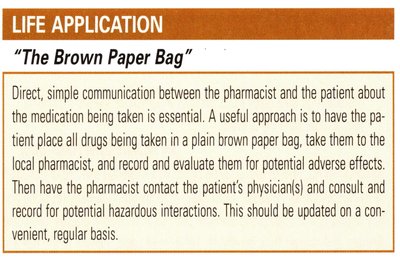
Life Application: The Brown Paper Bag
Direct communication between pharmacist and patient is essential for medication safety. Patients should bring all medications to the pharmacist for review to avoid adverse effects and hazardous interactions.
Summary
Pharmacology integrates knowledge of drug action, metabolism, and safety.
Understanding drug nomenclature, administration, absorption, distribution, metabolism, and elimination is essential for effective therapy.
Drug responses depend on dose, time, individual variability, and toxicity.
New drug development is highly regulated to ensure public safety.
