 Back
BackPoultry Handling and Welfare: Structure, Management, and Assessment
Study Guide - Smart Notes
 Tailored notes based on your materials, expanded with key definitions, examples, and context.
Poultry Body Parts and Their Functions
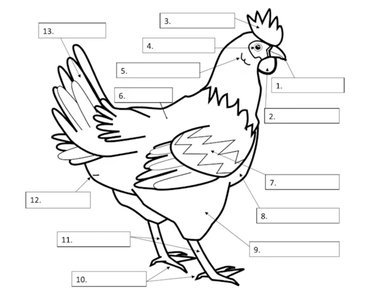
Key External Anatomy of Chickens
Understanding the external anatomy of poultry is essential for proper handling, welfare assessment, and management. Each body part serves specific biological and behavioral functions.
Comb and Wattle: Highly vascularized structures that help with thermoregulation and mate attraction. The comb and wattle are red due to the presence of many blood vessels.
Beak: Used for feeding, preening, and defense.
Earlobe: The color of the earlobe can indicate the color of eggs laid (e.g., red earlobe often correlates with brown eggs).
Wing and Breast: Wing and breast muscles are important for movement; breast meat is considered white meat, while thigh is dark meat (higher in minerals).
Hock: Evaluated during welfare assessments for signs of injury or disease.
Vision: Chickens have excellent vision, including the ability to see blue, orange, green, and ultraviolet light, with a 300-degree field of view.
Respiration: Chickens cannot sweat and rely on respiration for heat loss.
Proper Poultry Handling
Situations Requiring Handling
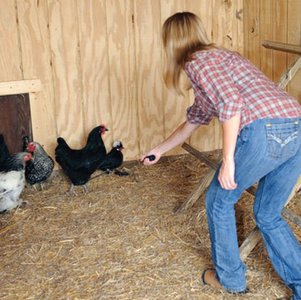
Poultry are handled for various reasons, including health checks, welfare assessments, and harvesting. Proper handling minimizes stress and injury to the birds.
Health Check: Routine examination for signs of illness or injury.
Welfare Assessment: Evaluation of living conditions and bird well-being.
Harvesting: Removal of birds for market or processing.
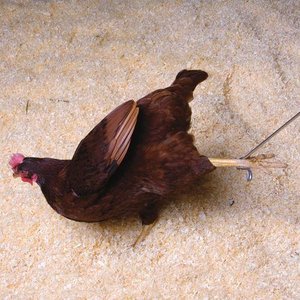
How to Catch and Hold Poultry
Broilers: Should not be chased; avoid using hooks due to their fragile bones. Easier to catch at night;
Layers: commercial cage-free systems use gentle handling techniques.
Holding Technique: Hold the legs with the index finger, place the head under the armpit, and cover the eyes to calm the bird.
Poultry Welfare and Production Systems
Transition of Production Systems
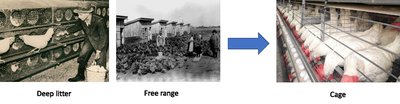
Poultry production systems have evolved from deep litter and free-range to conventional cage systems. Each system has unique implications for bird welfare and management.
Deep Litter: Birds are kept on bedding material that is periodically replaced.
Free Range: Birds have outdoor access but are exposed to environmental risks.
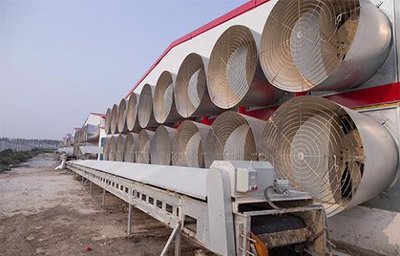
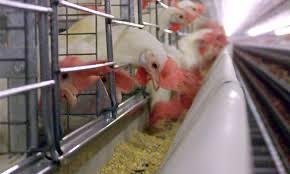
Cage System: Birds are housed in controlled environments, separated from manure and predators.
Advantages of Cage Systems
Ventilation and Environment Management: Controlled air quality and temperature.
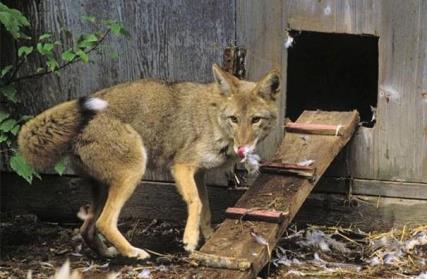
Protection from Predators: Reduced risk of predation and disease transmission.
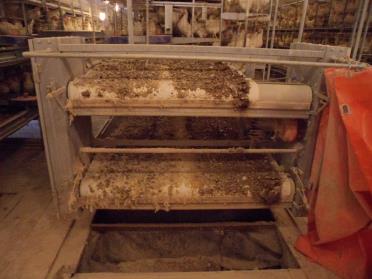
Separation from Manure: Minimizes contact with waste, reducing disease and footpad dermatitis.
Efficient Production: Higher productivity and lower cost of eggs and meat. cage free=cheaper
Disadvantages of Cage Systems
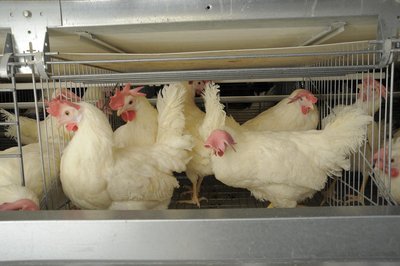
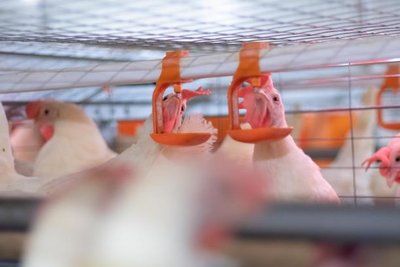
Limited Living Space: Birds have restricted movement, which can affect welfare.
Lack of Environmental Enrichment: Fewer opportunities for natural behaviors.
Production Cycle: Birds are typically kept for one year; after production drops, they may be euthanized or molted for another cycle (maximum two years).
Welfare Concerns in Broiler Production
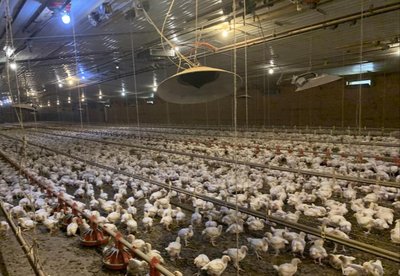
Stocking Density: High density can lead to poor walking ability and increased health issues.
Lighting: Photoperiod and intensity affect activity and feed conversion.
Environmental Enrichment: Lack of stimulation can reduce welfare.
Poultry Welfare Assessment
Welfare Principles, Criteria, and Measures
Poultry welfare is assessed using a structured approach based on four main principles, each with specific criteria and measurable indicators.
Principles: Good feeding (& drinking), good housing, good health, appropriate behavior.
Criteria: Absence of prolonged hunger/thirst, comfort, thermal comfort, ease of movement, absence of injury/disease/pain, expression of social/other behaviors, good human-bird relationship, positive emotional state.
Measures: Drinker space, plumage cleanliness, litter quality, dust, panting, huddling, stocking density, lameness, breast blister, hock burn, footpad dermatitis, etc.
Bottom-Up Strategy for Welfare Assessment
Welfare assessment aggregates multiple measures into criteria, which are then combined into principle scores to determine the overall welfare status of a farm.
Measures (~30): Quantitative and qualitative indicators collected on-farm and at slaughter.
Criteria (12): Groupings of related measures.
Principles (4): Overarching welfare domains.
Farm Score: Used to classify farms into welfare categories (Excellent, Enhanced, Acceptable, Not classified).
Key Welfare Measures and Scoring
Absence of Hunger
Measured as the percentage of emaciated birds at slaughter.
Score calculated as: where p is the percentage of emaciated birds.
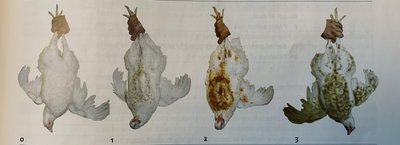
Plumage Cleanliness
Scored from 0 (perfect) to 3 (severe soiling).
Score calculated as:
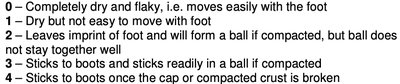
Litter Quality
Evaluated at multiple spots (at least 20) in the house; 15th percentile spot is used for overall score.
Ordinal scale from 0 (dry) to 4 (wet & sticky).
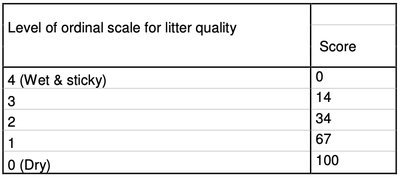
Level of ordinal scale for litter quality | Score |
|---|---|
4 (Wet & sticky) | 0 |
3 | 14 |
2 | 34 |
1 | 67 |
0 (Dry) | 100 |
Panting and Huddling
Indicators of thermal stress (panting = heat stress, huddling = cold or fear).
Assessed in 5 areas, 100 birds per area; highest scale (worst case) is used.
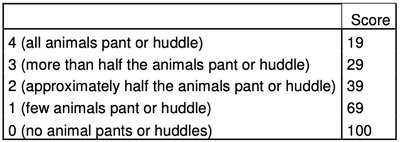
Score | Description |
|---|---|
4 | All animals pant or huddle |
3 | More than half pant or huddle |
2 | Approximately half pant or huddle |
1 | Few pant or huddle |
0 | No animal pants or huddles |
Stocking Density
Calculated as: where BW = average body weight (kg/bird), n = number of birds, A = area (m2).
Score: or
Farm Welfare Categories
Excellent: All 4 principle scores > 55 and at least 2 > 80
Enhanced: All 4 > 20 and at least 2 > 55
Acceptable: All 4 > 10 and at least 3 > 20
Not Classified: Does not meet above criteria
Summary Table: FLAWS for Poultry Welfare
FLAWSS is an acronym for the main factors affecting poultry welfare:
Feed
Light
Air
Water
Sanitation
Stock Density
Additional info: These notes integrate welfare science, animal handling, and practical management, providing a comprehensive overview for students in animal science or biology courses with a focus on poultry.
