 Back
BackReproduction: Anatomy, Physiology, and Clinical Concepts
Study Guide - Smart Notes
 Tailored notes based on your materials, expanded with key definitions, examples, and context.
Reproduction: Fundamental Concepts
Asexual Reproduction
Asexual reproduction is a process by which offspring are produced from a single parent without the involvement of gamete fusion. The offspring are genetically identical to the parent, resulting in clones. Common mechanisms include binary fission, budding, fragmentation, and parthenogenesis.
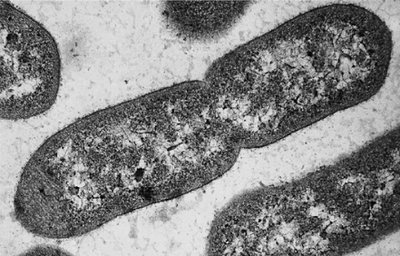
Binary Fission: A single organism divides into two equal parts, each becoming a new organism. This is typical in prokaryotes such as bacteria.
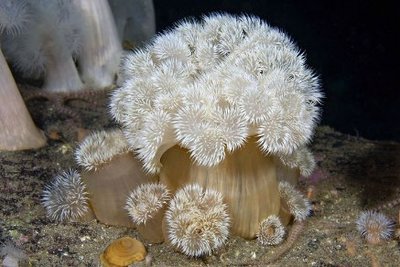
Budding: A new organism grows out of the body of the parent, as seen in yeast and hydra.
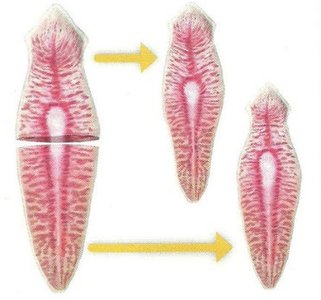
Fragmentation: An organism breaks into fragments, each capable of growing into a complete individual. Common in sea stars and some plants.
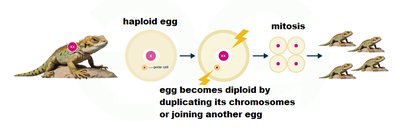
Parthenogenesis: Offspring develop from unfertilized eggs, seen in some insects, reptiles, and amphibians.
Example: Parthenogenesis in lizards results in offspring that are clones of the mother.
Sexual Reproduction
Sexual reproduction involves the fusion of gametes (egg and sperm), resulting in offspring with genetic variation. Meiosis reduces chromosome number by half, producing haploid gametes. Fertilization restores diploid chromosome number and creates genetic diversity, enhancing adaptability.
External Fertilization: Eggs and sperm are released into the environment, common in aquatic animals.
Internal Fertilization: Fertilization occurs inside the female body, providing greater protection to gametes and embryos.
Example: Most mammals use internal fertilization, while fish often use external fertilization.
Human Male Reproductive Anatomy and Physiology
Structures and Functions
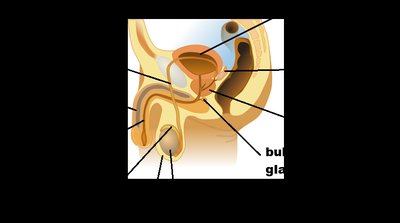
The male reproductive system produces, stores, and delivers sperm. Key organs include the testes, epididymis, vas deferens, seminal vesicles, prostate gland, bulbourethral glands, and penis.
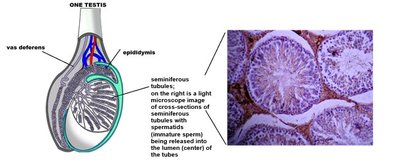
Testes: Located in the scrotum, produce sperm and testosterone.
Seminiferous Tubules: Site of spermatogenesis (sperm production).
Epididymis: Maturation and storage of sperm.
Vas Deferens: Transports sperm to the urethra.
Seminal Vesicles & Prostate Gland: Add fluids to sperm to form semen.
Bulbourethral Glands: Lubricate and neutralize urine residue in the urethra.
Hormonal Regulation
Male reproductive function is regulated by hormones:
GnRH (Gonadotropin-Releasing Hormone): Released by the hypothalamus, stimulates the pituitary gland.
LH (Luteinizing Hormone): Stimulates testosterone production in the testes.
FSH (Follicle-Stimulating Hormone): Supports sperm development.
Testosterone: Essential for spermatogenesis and development of male secondary sexual characteristics.
Human Female Reproductive Anatomy and Physiology
Structures and Functions
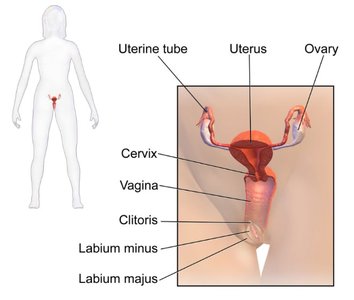
The female reproductive system includes the ovaries, fallopian tubes (uterine tubes/oviducts), uterus, cervix, clitoris, and vagina. The ovaries produce eggs and hormones (estrogen and progesterone).
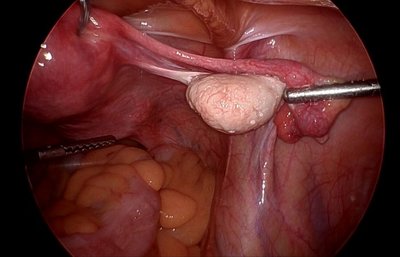
Ovaries: Produce oocytes (immature eggs) and hormones.
Fallopian Tubes: Transport eggs from the ovary to the uterus.
Uterus: Site of embryo implantation and development.
Cervix: Lower part of the uterus, connects to the vagina.
Vagina: Receives sperm and serves as the birth canal.
The Menstrual Cycle
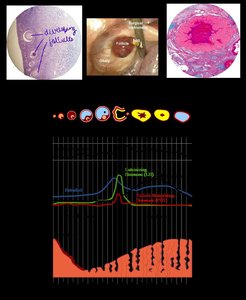
The menstrual cycle is a monthly process regulated by hormones, preparing the uterus for pregnancy. It involves follicle maturation, ovulation, and preparation of the endometrium.
FSH: Stimulates follicle growth in the ovary.
Estrogen: Thickens the uterine lining.
LH Surge: Triggers ovulation (release of the egg).
Corpus Luteum: Secretes progesterone and estrogen to maintain the endometrium.
Menstruation: Occurs if fertilization does not happen; the uterine lining is shed.
Birth Control Methods
Mechanisms of Action
Birth control methods prevent pregnancy by stopping ovulation, blocking fertilization, or preventing implantation.
Hormonal Methods: Birth control pills, patches, injections, and implants use synthetic hormones to inhibit FSH and LH, preventing ovulation.
Barrier Methods: Condoms, diaphragms, and cervical caps physically block sperm from reaching the egg.
IUDs: Copper IUDs create a toxic environment for sperm; hormonal IUDs suppress ovulation and thin the uterine lining.
Sterilization: Vasectomy (male) and tubal ligation (female) block reproductive tubes.
Emergency Contraception: Delays ovulation and can prevent implantation.
Sexually Transmitted Infections (STIs)
Types and Effects
STIs are caused by viruses, bacteria, or other pathogens. They can affect reproductive health and fertility.
Viral STIs: HPV (causes genital warts and increases cancer risk), HIV (attacks immune system), Herpes Simplex Virus.
Bacterial STIs: Gonorrhea and chlamydia (can cause infertility if untreated).
Example: HPV is a major cause of cervical cancer; regular screening and vaccination reduce risk.
Assisted Reproduction Techniques
Medical Interventions
Assisted reproductive techniques help individuals with fertility issues.
In Vitro Fertilization (IVF): Eggs are fertilized outside the body and implanted into the uterus.
Artificial Insemination: Sperm is placed directly into the reproductive tract.
Intracytoplasmic Sperm Injection (ICSI): A single sperm is injected into an egg.
Reproductive Imaging
Diagnostic Tools
Imaging techniques are used to diagnose reproductive health conditions.
Ultrasound: Visualizes uterus, ovaries, and fetus; detects cysts and fibroids.
Hysterosalpingography: X-ray with dye to check for blockages in uterus and fallopian tubes.
MRI and CT Scans: Provide detailed views of pelvic organs.
Laparoscopy: Minimally invasive surgery to diagnose conditions like endometriosis.
Biopsy: Tissue sample for infection or cancer diagnosis.
Summary Table: Types of Asexual Reproduction
Image | Type of Asexual Reproduction |
|---|---|
image_6 | Fragmentation |
image_7 | Parthenogenesis |
image_8 | Binary Fission |
image_9 | Budding |
Summary Table: Male Reproductive Structures
Structure | Function |
|---|---|
Testes | Produce sperm and testosterone |
Seminiferous Tubules | Spermatogenesis |
Epididymis | Sperm maturation and storage |
Vas Deferens | Transports sperm |
Seminal Vesicles | Add fluid to semen |
Prostate Gland | Adds fluid to semen |
Bulbourethral Glands | Lubrication and neutralization |
Summary Table: Female Reproductive Structures
Structure | Function |
|---|---|
Ovary | Produces eggs and hormones |
Fallopian Tube | Transports egg |
Uterus | Embryo implantation and development |
Cervix | Connects uterus to vagina |
Vagina | Receives sperm, birth canal |
Clitoris | Sensory organ |
Key Equations
Meiosis and Fertilization
Meiosis reduces chromosome number:
Fertilization restores diploid number:
Additional info:
Hormonal feedback mechanisms are essential for regulating reproductive cycles.
Imaging techniques are critical for diagnosing reproductive health issues.
Birth control methods vary in effectiveness and mechanism.
STIs can be asymptomatic; regular screening is important.
