 Back
BackThe Eukaryotic Cell Cycle and Mitosis: Structure, Function, and Regulation
Study Guide - Smart Notes
 Tailored notes based on your materials, expanded with key definitions, examples, and context.
Cell Division: Purposes and Overview
Why Do Cells Divide?
Cell division is a fundamental process in all living organisms, serving several essential functions:
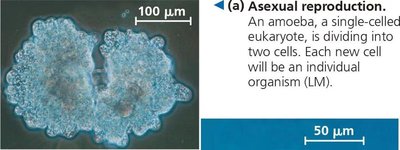
Reproduction: In single-celled organisms, cell division is the primary means of reproduction, producing genetically identical offspring through asexual reproduction.
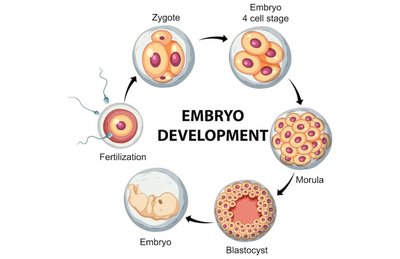
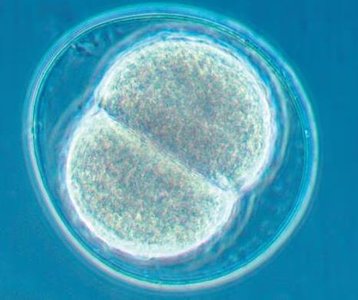
Growth and Development: In multicellular organisms, cell division enables growth from a single cell (zygote) to a complex organism and supports the development of specialized tissues and organs.
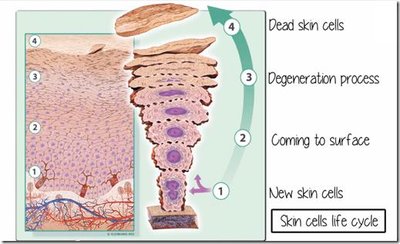
Tissue Renewal: Cell division replaces old, damaged, or dead cells, maintaining tissue health and function.
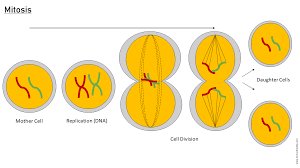
Asexual Reproduction
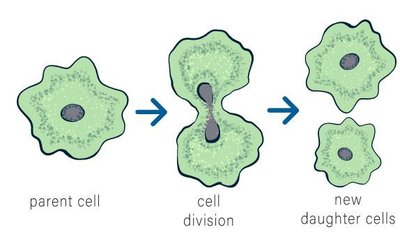
In asexual reproduction, a single parent cell divides to produce two genetically identical daughter cells. This process is common in bacteria, fungi, protists, and some plants and animals.
Binary Fission: Prokaryotes (e.g., bacteria) reproduce by binary fission, a simpler process than mitosis.
Mitosis: Eukaryotes use mitosis for asexual reproduction, growth, and tissue repair.
Growth and Development
Multicellular organisms grow and develop by increasing their cell number through repeated cell divisions. This process is crucial for embryonic development and the formation of specialized tissues.
Tissue Renewal
Continuous cell division is necessary for the renewal of tissues such as skin, blood, and the lining of the gut in animals, as well as dermal, vascular, and ground tissues in plants.
Cell Replication: General Process
Steps in Cell Replication
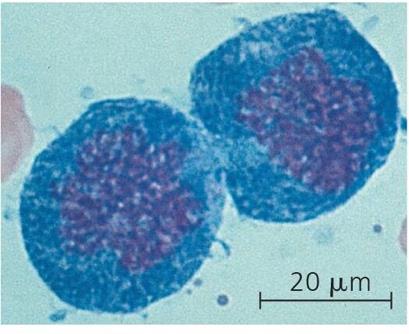
DNA Replication: The cell duplicates its genetic material.
Separation of DNA Copies: The replicated DNA is distributed to opposite ends of the cell.
Cell Division: The cell splits, producing two genetically identical daughter cells.
The Eukaryotic Cell Cycle
Phases of the Cell Cycle
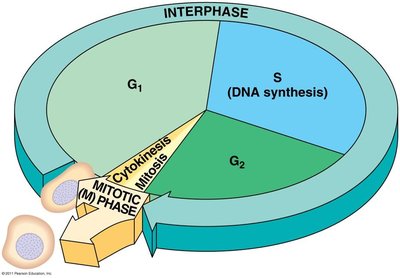
The eukaryotic cell cycle consists of three main stages:
Interphase (G1, S, G2): The cell grows, replicates its DNA, and prepares for division. This phase accounts for about 90% of the cell cycle.
Mitosis (M Phase): The nucleus divides, separating the duplicated chromosomes.
Cytokinesis: The cytoplasm divides, resulting in two separate daughter cells.
DNA Organization in Eukaryotic Cells
Chromosomes, Chromatin, and DNA Packaging
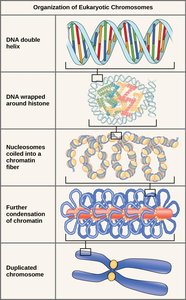
The genome is the complete set of genetic information in a cell. In eukaryotes, DNA is organized into chromosomes, which are highly compacted structures formed from chromatin (a complex of DNA and histone proteins).
Nucleosome: The basic unit of DNA packaging, consisting of DNA wrapped around histone proteins.
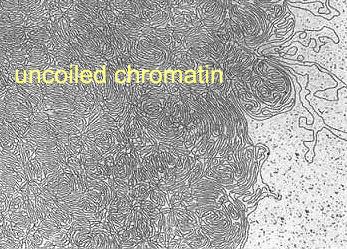
Chromatin: The entire complex of DNA and proteins; exists in a less condensed form during interphase and condenses into visible chromosomes during cell division.
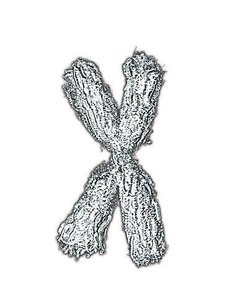
Chromosome: A single, highly condensed DNA molecule visible during cell division.
Chromosome Structure and Number
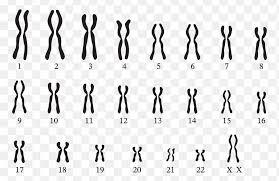
Each eukaryotic species has a characteristic number of chromosomes (e.g., humans have 46).
The number of chromosomes does not necessarily correlate with organism complexity.
Each chromosome contains many genes, which encode proteins and regulate biological processes.
Chromatid and Chromosome Dynamics
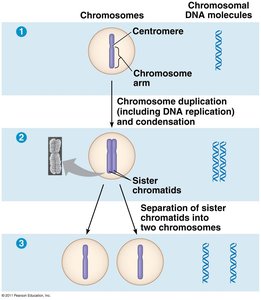
Before DNA replication, each chromosome consists of a single chromatid.
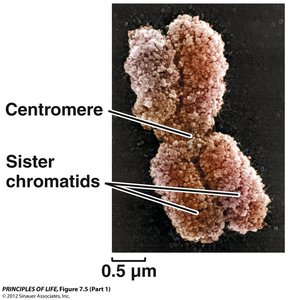
After replication, each chromosome consists of two sister chromatids joined at a centromere.
During mitosis, sister chromatids are separated, becoming individual chromosomes in the daughter cells.

Interphase: Preparation for Division
Stages of Interphase
G1 Phase: Cell growth, protein synthesis, and preparation for DNA replication.
S Phase: DNA is replicated, resulting in duplicated chromosomes.
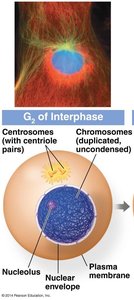
G2 Phase: Further growth, synthesis of proteins (e.g., tubulin for spindle formation), and final checks before mitosis.
Mitosis: Division of the Nucleus
Overview of Mitosis
Mitosis is divided into five stages, ensuring the accurate segregation of duplicated chromosomes into two daughter nuclei:
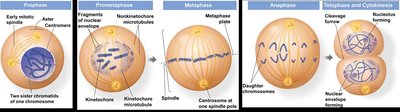
Prophase: Chromatin condenses into visible chromosomes; mitotic spindle begins to form; centrosomes migrate to opposite poles.
Prometaphase: Nuclear envelope breaks down; spindle fibers attach to kinetochores on chromosomes.
Metaphase: Chromosomes align at the metaphase plate (cell equator).
Anaphase: Sister chromatids separate and move toward opposite poles.
Telophase: Chromosomes decondense; nuclear envelopes reform around each set of chromosomes.
Key Structures in Mitosis
Mitotic Spindle: Structure made of microtubules that separates chromosomes.
Centrosome: Organelle that organizes spindle microtubules.
Kinetochore: Protein complex at the centromere where spindle fibers attach.
Cytokinesis
Cytokinesis is the division of the cytoplasm, resulting in two genetically identical daughter cells. In animal cells, a contractile ring of microfilaments pinches the cell in two (cleavage furrow). In plant cells, a cell plate forms to divide the cell.
Comparison: Binary Fission vs. Mitosis
Binary fission is the method of cell division in prokaryotes, while mitosis is used by eukaryotes. Both processes produce genetically identical cells, but mitosis is more complex due to the presence of a nucleus and multiple chromosomes.
Regulation of the Cell Cycle
Cell Cycle Checkpoints
The cell cycle is tightly regulated by checkpoints at the G1, G2, and M phases. These checkpoints ensure that the cell is ready to proceed to the next stage and that errors are corrected before division continues.
G1 Checkpoint: Ensures the cell is ready for DNA replication.
G2 Checkpoint: Ensures DNA replication is complete and accurate.
M Checkpoint: Ensures chromosomes are properly aligned and attached to the spindle before separation.
Protein kinases and cyclins are key signaling molecules that regulate these checkpoints.
Cancer and Loss of Cell Cycle Control
Uncontrolled Cell Division
Cancer results from the loss of normal cell cycle controls. Cancer cells:
Ignore cell cycle checkpoints.
Divide in the absence of normal growth signals.
May produce their own growth factors or have abnormal signaling pathways.
Can form tumors (benign or malignant).
Malignant tumors invade surrounding tissues and can metastasize to other parts of the body.
Key Terminology
Asexual/Sexual Reproduction
Parent Cells / Daughter Cells
Cell Cycle
Binary Fission
Interphase, Mitosis, Cytokinesis
Prophase, Prometaphase, Metaphase, Anaphase, Telophase
Chromatin, Chromosome, Chromatid
Centromere, Centrosome, Kinetochore
Spindle Fibers, Microtubules, Metaphase Plate
Summary Table: Key Differences Between Binary Fission and Mitosis
Feature | Binary Fission (Prokaryotes) | Mitosis (Eukaryotes) |
|---|---|---|
Cell Type | Prokaryotic | Eukaryotic |
Chromosome Structure | Circular DNA | Linear chromosomes |
Nucleus Present | No | Yes |
Complexity | Simple | Complex (multiple steps) |
Result | Two identical cells | Two identical cells |
Additional info: This guide expands on the lecture content by providing definitions, examples, and a comparison table for clarity and exam preparation.
