 Back
BackUnderstanding Cell Structure and Function: Prokaryotes, Eukaryotes, and Their Diversity
Study Guide - Smart Notes
 Tailored notes based on your materials, expanded with key definitions, examples, and context.
Cell Structure and Function
Introduction to Cells
Cells are the fundamental unit of life, forming the basis of all living organisms. Both prokaryotic and eukaryotic cells share several essential features that are critical for life processes.
DNA: Genetic material, usually organized as chromosomes.
RNA: Includes messenger RNA (mRNA), transfer RNA (tRNA), and ribosomal RNA (rRNA).
Proteins: Serve structural, enzymatic, and regulatory roles.
Plasma Membrane: Also called the cell membrane or cytoplasmic membrane, it encloses the cell.
Ribosomes: Sites of protein synthesis; prokaryotes have 70S ribosomes, eukaryotes have 80S ribosomes.
Cytosol/Cytoplasm: The fluid matrix inside the cell where metabolic reactions occur.
Prokaryotic Cells
General Features
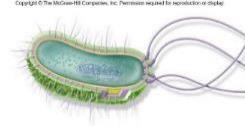
Prokaryotic cells are simpler in structure and are found in the domains Bacteria and Archaea. They lack a true nucleus and membrane-bound organelles.
Nucleoid: Region containing the cell's DNA, not enclosed by a membrane.
Ribosomes: 70S type, smaller than those in eukaryotes.
Plasma Membrane: Encloses the cytoplasm.
Cell Wall: Present in most prokaryotes, providing structural support.
Unicellular: Most prokaryotes exist as single cells.
Major Groups of Prokaryotes
Archaebacteria: Ancient bacteria, often found in extreme environments.
Eubacteria: True bacteria, including cyanobacteria.
Cyanobacteria
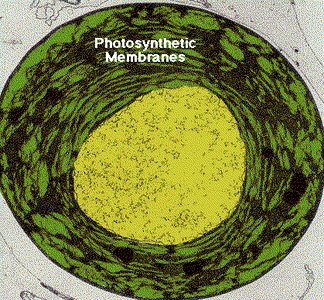
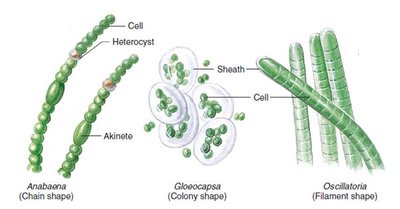
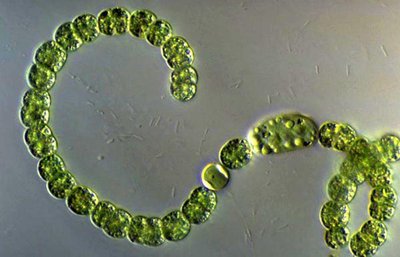
Cyanobacteria are photosynthetic prokaryotes that contain chlorophyll a in thylakoid membranes and are often surrounded by a mucilaginous sheath. They play a crucial role in oxygen production and nitrogen fixation.
Examples: Gloeocapsa, Nostoc, Oscillatoria, Anabaena
Bacterial Shapes and Arrangements
Bacteria exhibit a variety of shapes and arrangements, which are important for identification and classification.
Coccus: Spherical shape
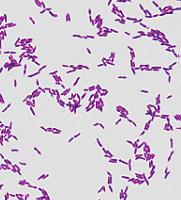
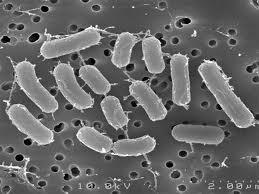
Bacillus: Rod-shaped
Spirilla: Spiral-shaped
Example: Lactobacillus in Yogurt
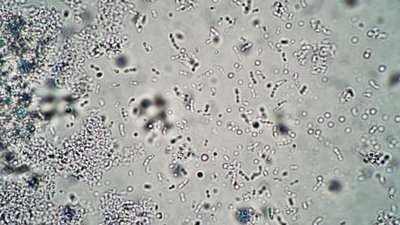
Lactobacillus is a rod-shaped bacterium involved in the fermentation of milk to produce yogurt.
Eukaryotic Cells
General Features
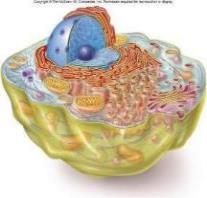
Eukaryotic cells are more complex and contain membrane-bound organelles, including a nucleus. They can be unicellular or multicellular and are found in animals, plants, fungi, and protists.
Nucleus: Contains the cell's genetic material enclosed by a nuclear envelope.
Organelles: Specialized structures such as mitochondria, endoplasmic reticulum, Golgi apparatus, etc.
Ribosomes: 80S type, larger than prokaryotic ribosomes.
Protists
Introduction to Protists
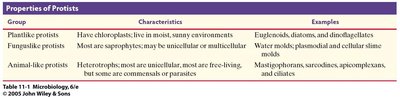
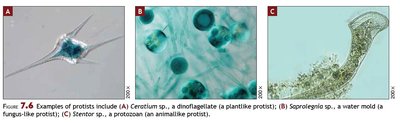
Protists are a diverse group of mostly unicellular eukaryotes. They can be plant-like, fungus-like, or animal-like in their characteristics.
Plant-like protists: Contain chloroplasts and perform photosynthesis.
Fungus-like protists: Absorb nutrients from their environment.
Animal-like protists: Heterotrophic, often motile, and ingest food particles.
Examples of Protists
Amoeba: Moves and feeds using pseudopodia.
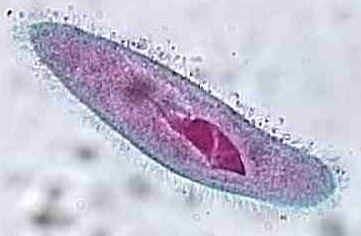
Paramecium: Covered with cilia for movement and feeding.
Spirogyra: Filamentous green alga with spiral chloroplasts.
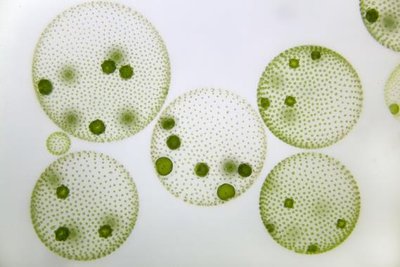
Volvox: Colonial green alga.
Fungi
General Features
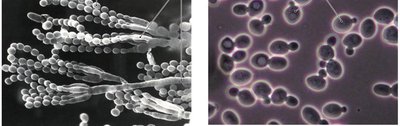
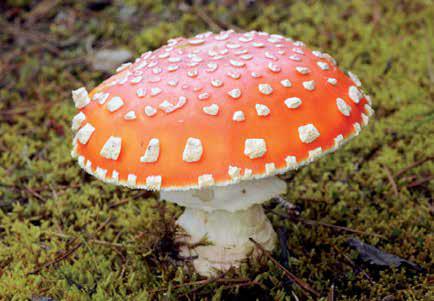
Fungi are eukaryotic organisms that can be unicellular (yeasts) or multicellular (molds, mushrooms). They lack chlorophyll and have cell walls made of chitin.
Unicellular fungi: Yeasts such as Saccharomyces cerevisiae.
Multicellular fungi: Molds such as Aspergillus and mushrooms like Amanita.
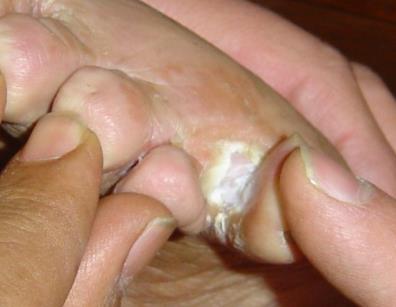
Pathogenic fungi: Can cause diseases such as athlete's foot.
Plant Cells
General Features
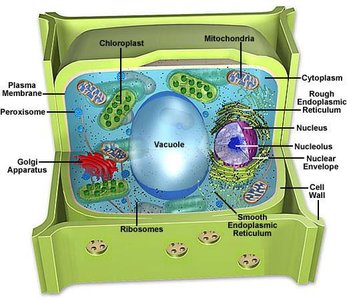
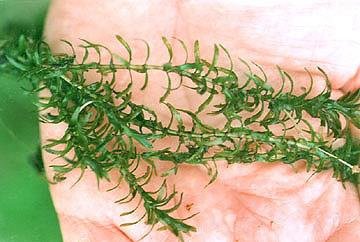
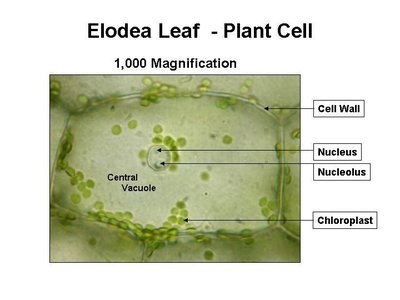
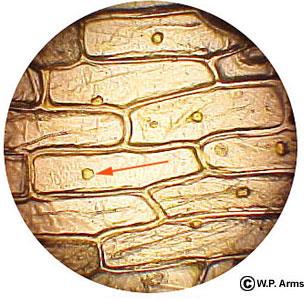
Plant cells are multicellular, contain chloroplasts for photosynthesis, have a cell wall made of cellulose, and possess a large central vacuole for storage and structural support.
Chloroplasts: Site of photosynthesis.
Cell Wall: Provides rigidity and protection.
Central Vacuole: Maintains cell turgor and stores nutrients.
Animal Cells
General Features
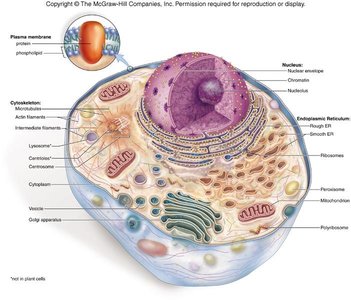
Animal cells lack cell walls and chloroplasts but have a flexible plasma membrane. They are typically multicellular and contain various organelles for specialized functions.
Human epithelial cells: Line surfaces and cavities of the body.
Red and white blood cells: Specialized for oxygen transport and immune defense, respectively.
Laboratory Techniques
Common laboratory techniques for observing cells include preparing wet mounts, staining with dyes such as methylene blue, and using light microscopy at various magnifications.
Wet mount: Used for observing live cells in a drop of water.
Staining: Enhances contrast to visualize cell structures.
Summary Table: Key Differences Between Prokaryotic and Eukaryotic Cells
Feature | Prokaryotic Cells | Eukaryotic Cells |
|---|---|---|
Nucleus | Absent (nucleoid) | Present |
Organelles | Absent | Present (membrane-bound) |
Cell Wall | Usually present (peptidoglycan or other) | Plants (cellulose), Fungi (chitin), Animals (absent) |
Ribosomes | 70S | 80S |
Size | 1–10 μm | 10–100 μm |
Examples | Bacteria, Archaea | Plants, Animals, Fungi, Protists |
Additional info: This summary integrates foundational concepts from cell biology, including cell structure, diversity, and laboratory observation techniques, as covered in introductory college biology courses.
