 Back
Back26
Study Guide - Smart Notes
 Tailored notes based on your materials, expanded with key definitions, examples, and context.
Cancer Cells: Cellular and Molecular Mechanisms
Introduction to Cancer Cell Biology
Cancer is a group of diseases characterized by uncontrolled cell proliferation and the ability of cells to invade other tissues. Understanding the cellular and molecular mechanisms underlying cancer is essential for cell biology students, as it integrates concepts from cell cycle regulation, apoptosis, gene expression, and signal transduction.
Key Behaviors of Cancer Cells
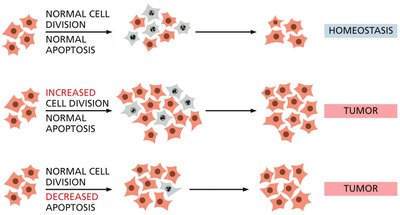
Loss of Apoptosis and Increased Proliferation
Cancer cells are less prone than normal cells to undergo apoptosis (programmed cell death), often due to mutations in genes that regulate this process. The inability to destroy damaged cells leads to increased cell proliferation and genetic instability, both of which contribute to tumorigenesis.
Apoptosis: A regulated process of cell death that removes damaged or unnecessary cells.
Genetic Instability: Cancer cells often have a high mutation rate, leading to defects in DNA repair, chromosome breaks, and errors in DNA replication.
Example: Loss-of-function mutations in the p53 gene prevent cell-cycle arrest or apoptosis in cells with DNA damage.
Contact Inhibition and Cell Culture Behavior
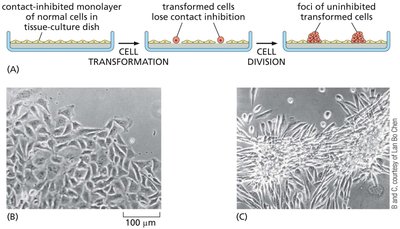
Normal cells exhibit contact inhibition, ceasing to divide when they form a monolayer. Cancer cells lose this property, leading to uncontrolled growth and the formation of foci in culture.
Contact Inhibition: The process by which cell division stops when cells come into contact with each other.
Transformed Cells: Cancer cells that have lost contact inhibition and continue to divide, forming multilayered foci.
Genetic Instability and Chromosomal Translocations
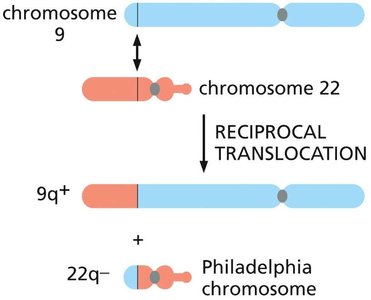
Most cancer cells are genetically unstable, with increased mutation rates and chromosomal abnormalities. A classic example is the reciprocal translocation between chromosomes 9 and 22, which creates the Philadelphia chromosome and leads to chronic myelogenous leukemia (CML).
Chromosomal Translocation: A rearrangement of parts between nonhomologous chromosomes, often resulting in fusion genes with oncogenic properties.
Example: The BCR-ABL fusion gene encodes a constitutively active tyrosine kinase in CML.
Loss of Cell Adhesion and Invasiveness
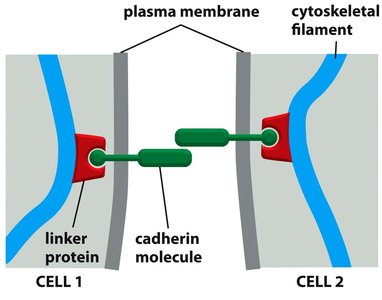
Cancer cells often lose their adhesiveness to other cells, facilitating invasion and metastasis. E-cadherin, an integral membrane protein, acts as a molecular glue holding cells together. Its loss through mutation is common in cancer cells.
E-cadherin: A cell adhesion molecule critical for maintaining tissue architecture.
Invasiveness: The ability of cancer cells to penetrate and spread into surrounding tissues.
Metastasis: The Spread of Cancer
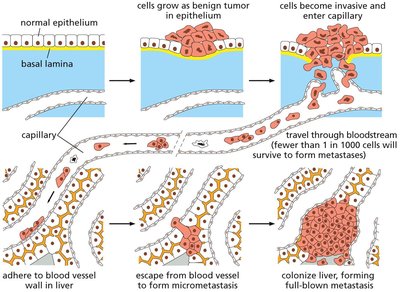
Metastasis is the process by which cancer cells spread from the primary tumor to distant sites in the body. This involves invasion of surrounding tissue, entry into the bloodstream, survival in circulation, and colonization of new tissues.
Steps of Metastasis: Local invasion, intravasation, survival in circulation, extravasation, and colonization.
Clinical Importance: Metastasis is responsible for the majority of cancer-related deaths.
Cancer-Critical Genes
Oncogenes and Proto-Oncogenes
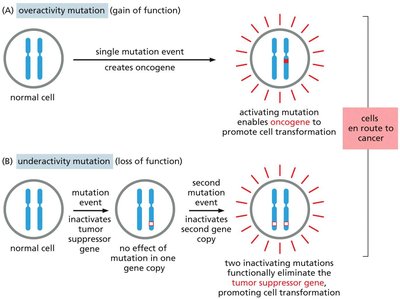
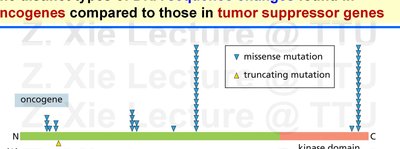
Oncogenes are mutated forms of normal genes (proto-oncogenes) that promote excessive cell proliferation and survival. A gain-of-function mutation in a single copy of a proto-oncogene can drive a cell toward cancer.
Proto-Oncogene: A normal gene involved in cell growth and division.
Oncogene: A mutated or overexpressed proto-oncogene that contributes to cancer development.
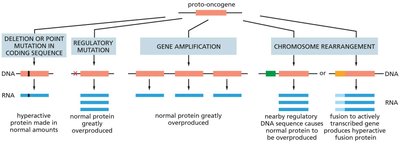
Sources of Oncogenes: Mutation, gene amplification, chromosomal rearrangement, or introduction by viruses.
Mechanisms of Proto-Oncogene Activation
Point Mutation: Can create a hyperactive protein.
Regulatory Mutation: Can cause overproduction of a normal protein.
Gene Amplification: Increases the number of gene copies, leading to overproduction.
Chromosome Rearrangement: Can place a gene under control of a strong promoter or create fusion proteins.
Classes of Oncogenes
Growth factors
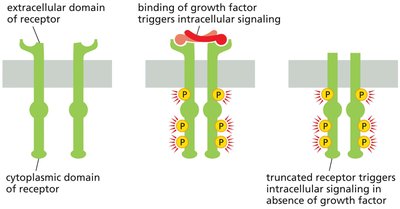
Growth factor receptors
Signal transducers (e.g., Ras)
Transcription factors
Cell-cycle control proteins
Anti-apoptosis proteins
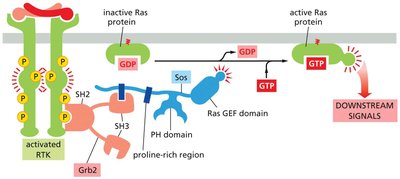
Ras Pathway in Cancer
Mutations in the Ras gene are found in approximately 30% of human tumors. Hyperactive Ras proteins continuously transmit growth signals, promoting uncontrolled proliferation.
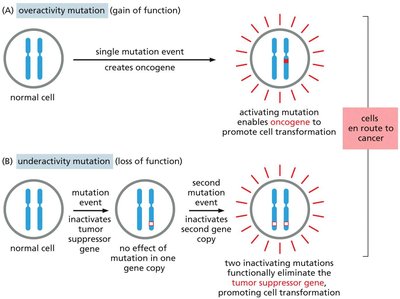
Tumor Suppressor Genes
Tumor suppressor genes normally restrain cell proliferation. Loss or inactivation of both copies of these genes can lead to cancer. In some cases, a dominant negative mutation in one copy can compromise the function of the normal protein.
Examples: p53, Rb, APC, BRCA1
Mechanisms of Inactivation: Mutation, deletion, epigenetic silencing, or dominant negative effects.
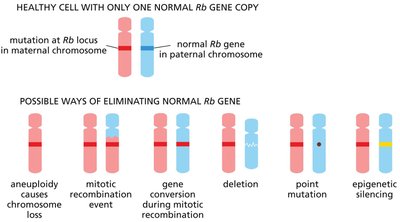
Genetic Mechanisms in Retinoblastoma
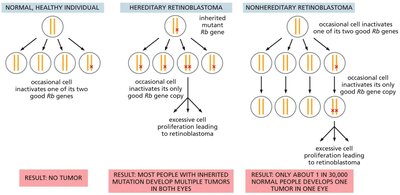
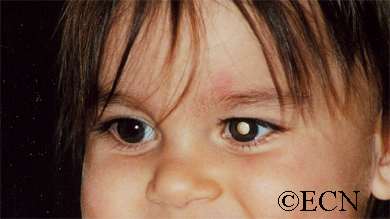
Retinoblastoma is a rare cancer of the retina, often used to illustrate the two-hit hypothesis for tumor suppressor gene inactivation. Hereditary forms involve a germline mutation in one copy of the Rb gene, with the second copy lost somatically.
Role of Rb and p53 Pathways
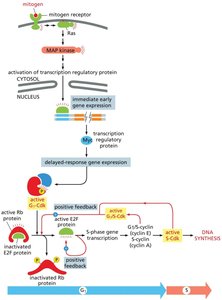
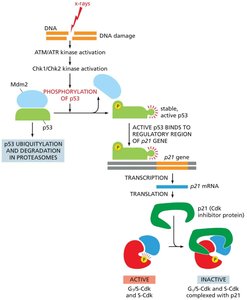
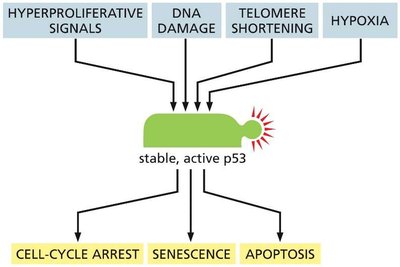
The Rb protein regulates cell cycle entry in response to mitogenic signals, while p53 is a key regulator of the cellular response to DNA damage, inducing cell cycle arrest, senescence, or apoptosis.
Major Cellular Pathways in Tumorigenesis
Three major cellular pathways are commonly altered in cancer:
Rb Pathway: Governs initiation of the cell-division cycle.
p53 Pathway: Regulates cellular response to stress and DNA damage.
RTK/Ras/PI3K Pathway: Transmits signals for cell growth and division.
Causes of Cancer
Cancer can be caused by a combination of genetic and environmental factors, including exposure to carcinogens, radiation, infectious agents, and lifestyle choices.
Chemicals (Carcinogens): Substances that cause mutations leading to cancer.
Radiation: Can induce DNA damage and mutations.
Infectious Agents: Certain viruses can introduce oncogenes or disrupt tumor suppressor genes.
Lifestyle: Smoking, diet, and other behaviors significantly impact cancer risk.
Cancer Diagnosis and Treatments
Modern cancer diagnosis and treatment strategies include surgical removal, radiation, chemotherapy, immunotherapy, molecular targeting, and anti-angiogenic therapy.
Molecular Targeting: Drugs that specifically inhibit the products of oncogenes (e.g., imatinib for BCR-ABL in CML).
Anti-Angiogenic Therapy: Blocks the formation of new blood vessels required for tumor growth.
Table: Examples of Human Tumor Suppressor Genes
Gene | Inherited Syndrome | Cancer Type |
|---|---|---|
APC | Familial adenomatous polyposis | Colon |
BRCA1 | Familial breast cancer | Breast, ovary |
BRCA2 | Familial breast cancer | Breast |
SMAD4 | Colorectal cancer | Colon, rectal |
NF-1 | Neurofibromatosis type 1 | Neurofibromas |
NF-2 | Neurofibromatosis type 2 | Schwann cells, meninges |
CDKN2A | Familial melanoma | Melanomas, others |
p53 | Li–Fraumeni | Bone, breast, leukemia, brain, adrenal, others |
RB | Hereditary retinoblastoma | Retina, bone, others |
H1 | von Hippel–Lindau | Kidney, retina, brain |
WT-1 | Wilms’ tumor | Kidney |
Summary
Cancer arises from the accumulation of genetic and epigenetic changes that disrupt normal cell cycle control, apoptosis, and cellular signaling. Key molecular players include oncogenes, tumor suppressor genes, and pathways such as Rb, p53, and RTK/Ras/PI3K. Understanding these mechanisms is crucial for developing effective diagnostic and therapeutic strategies.
