 Back
BackCancer Biology: Cellular Mechanisms, Causes, and Treatments
Study Guide - Smart Notes
 Tailored notes based on your materials, expanded with key definitions, examples, and context.
Cancer: An Overview
Definition and Main Types
Cancer is characterized by uncontrolled cell proliferation and the ability to spread throughout the body. It encompasses a variety of diseases classified based on the tissue or cell type of origin.
Carcinoma: Originates from epithelial cells; accounts for about 90% of all cancers and forms solid tumors.
Sarcoma: Arises from supporting tissues such as bone, cartilage, and muscle; also forms solid tumors.
Lymphoma: Develops from lymphocytes and forms solid tumors in lymphatic tissues.
Leukemia: Originates from blood-forming cells and does not form solid tumors.
Tumor refers to an abnormal mass of tissue, which can be benign (non-cancerous) or malignant (cancerous). The term "benign cancer" is a misnomer; only malignant tumors and leukemias are considered cancer.
Characteristics of Cancer Cells
Key Features
Tumor Formation in Vivo: Cancer cells can form tumors when injected into immunodeficient ("nude") mice.
Anchorage-Independent Growth: Unlike normal cells, cancer cells can grow without attachment to a solid surface or extracellular matrix, forming colonies in soft agar.
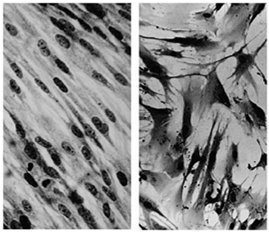
Loss of Contact Inhibition: Normal cells stop dividing when they form a confluent monolayer, but cancer cells continue to proliferate, piling up on each other.
Immediate consequence of anchorage-independent growth: Cells can proliferate even after forming a monolayer, contributing to tumorigenesis.
Cell Immortality
Normal cells have a limited lifespan in culture (e.g., fibroblasts: ~50 divisions).
Cancer cells are immortalized and can divide indefinitely, often due to the production of telomerase, which maintains telomere length.
HeLa Cells
The HeLa cell line, derived from Henrietta Lacks, is the first immortal human cell line and has been instrumental in biomedical research.

Normal vs. Tumor Growth
Disrupted Balance
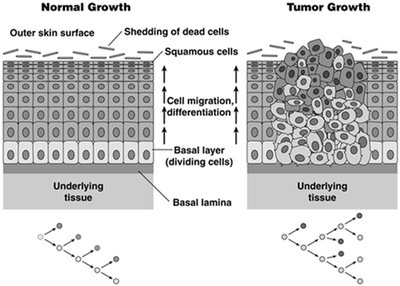
Uncontrolled growth in tumors results from a loss of balance between cell division and differentiation, with a shift toward excessive division.
Angiogenesis
Role in Tumor Growth
Angiogenesis is the process of new blood vessel formation. Tumors require a blood supply for sustained growth beyond 1–2 mm in size. They secrete signaling molecules such as VEGF (vascular endothelial growth factor) to stimulate angiogenesis. Matrix metalloproteinases (MMPs) degrade the extracellular matrix, facilitating vessel growth.
Anti-Angiogenic Therapy
VEGF inhibitors (e.g., Avastin/bevacizumab) and VEGF receptor inhibitors (e.g., Nexavar, Sutent) are used as anti-cancer drugs to block tumor blood supply.

Metastasis: Movement of Cancer Cells
Process and Mechanisms
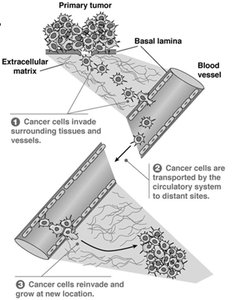
Invasion: Cancer cells invade surrounding tissues by reducing cell adhesion (e.g., decreased E-cadherin) and increasing motility.
Protease Production: Cancer cells secrete proteases that degrade barriers, allowing entry into blood vessels.
Metastatic Cascade: Involves invasion, travel through the bloodstream, and colonization of new sites (secondary tumors).
Causes of Cancer
Genetic and Environmental Factors
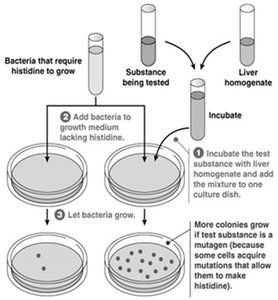
DNA Mutations: Accumulate due to environmental and lifestyle factors.
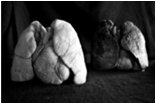
Lifestyle: Smoking (lung cancer), excessive alcohol (liver cancer).
Environmental: Chemicals (carcinogens), UV and ionizing radiation, oncogenic viruses (e.g., HPV, Epstein-Barr), and bacteria (e.g., Helicobacter pylori).
Molecular Mechanisms of Cancer
Oncogenes and Tumor Suppressor Genes
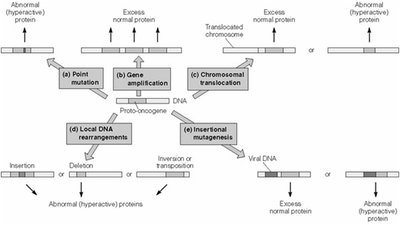
Oncogenes: Mutated or overactive genes that drive cancer development (e.g., src in RSV, mutant Ras in humans).
Tumor Suppressor Genes (TSGs): Genes that normally restrain cell proliferation; their inactivation leads to cancer (e.g., p53, RB).
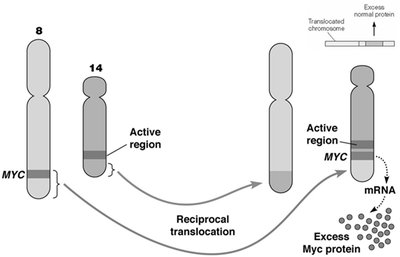
Proto-oncogenes: Normal genes that can become oncogenes via mutation, amplification, or chromosomal translocation.
Viral Oncogenes
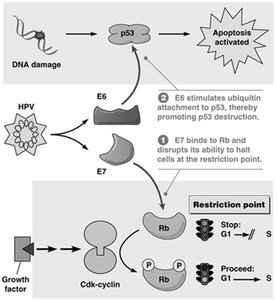
Some viruses (e.g., HPV) produce proteins that inactivate tumor suppressor genes, promoting cancer development.
Stepwise Accumulation of Mutations
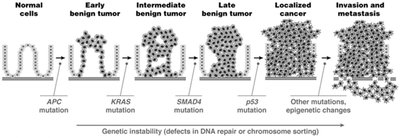
Cancer typically arises from the accumulation of mutations in multiple genes, affecting key pathways such as cell cycle regulation, apoptosis, and DNA repair. For example, colon cancer often involves mutations in APC, KRAS, SMAD4, and p53.
Cancer Treatment Strategies
Traditional and Targeted Therapies
Surgery, Radiation, Chemotherapy: Target and kill rapidly dividing cells.
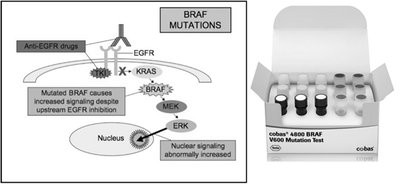
Molecular Targeting: Drugs that specifically inhibit oncogenes or their products.
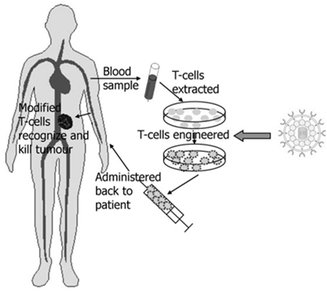
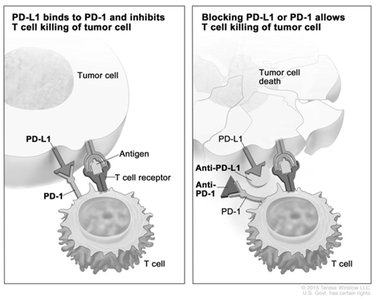
Immunotherapy: Includes CAR-T cell therapy (engineering patient T cells to attack cancer) and immune checkpoint inhibitors (relieving immune suppression).
Anti-Angiogenic Therapies: Block blood vessel formation to starve tumors.
Cell Death: Necrosis and Apoptosis
Necrosis
Unregulated cell death due to injury, leading to cell swelling, rupture, and inflammation.
Apoptosis (Programmed Cell Death)
Tightly regulated process for removing unnecessary, damaged, or dangerous cells.
Essential for development, tissue homeostasis, and immune function.
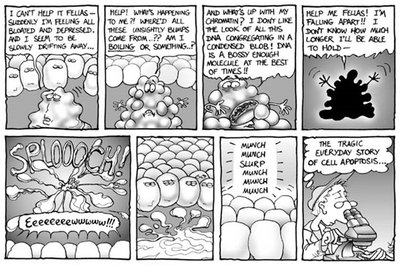
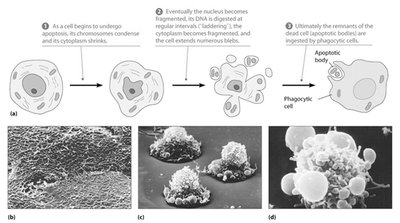
Characterized by cell shrinkage, chromatin condensation, DNA fragmentation, and formation of apoptotic bodies.
Does not cause inflammation.
Molecular Pathways of Apoptosis
Extrinsic Pathway: Triggered by external death signals (e.g., Fas ligand binding to Fas receptor), leading to activation of initiator caspases (e.g., caspase-8).
Intrinsic Pathway: Triggered by internal signals (e.g., DNA damage), involving mitochondrial release of cytochrome c, formation of the apoptosome, and activation of caspase-9.
Executioner Caspases: Caspase-3, -6, and -7 execute apoptosis by cleaving cellular substrates.
Regulation and Cancer
Some cancers evade apoptosis by overexpressing anti-apoptotic proteins (e.g., Bcl-2) or downregulating pro-apoptotic factors (e.g., Apaf-1).
Viruses like Epstein-Barr can enhance cell survival by mimicking anti-apoptotic proteins.
Cell Death Type | Programmed? | Death Signal? |
|---|---|---|
Necrosis | No | No |
Apoptosis | Yes | Yes |
Extrinsic Apoptosis | Yes | Yes |
Intrinsic Apoptosis | Yes | Yes |
Summary: Cancer is a complex disease involving genetic mutations, disrupted cellular regulation, and evasion of programmed cell death. Understanding these mechanisms is crucial for developing effective therapies.
