 Back
BackCell Structure and Function: A Comprehensive Guide for Molecular Biology
Study Guide - Smart Notes
 Tailored notes based on your materials, expanded with key definitions, examples, and context.
Overview of Cell Biology
Introduction to Cell Morphology
Cell biology explores the structure, function, and diversity of cells, the fundamental units of life. Cells are classified into prokaryotic and eukaryotic types, each with distinct features and organizational complexity.
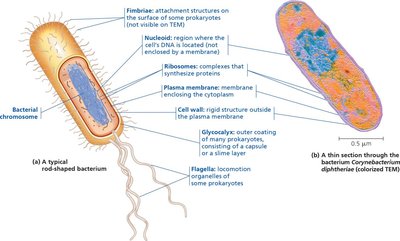
Prokaryotes: Include Bacteria and Archaea; lack a nucleus and membrane-bound organelles.
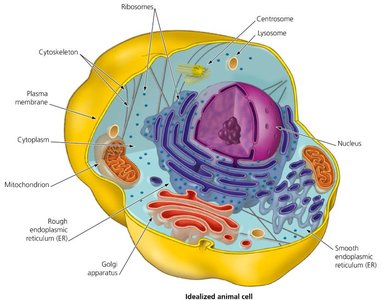
Eukaryotes: Include animals, plants, fungi, and protists; possess a nucleus and various organelles.
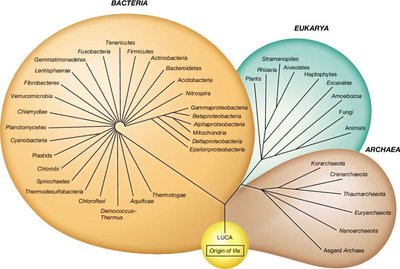
Three Domains of Life: Bacteria, Archaea, and Eukarya.
Chemical Components of Cells
Common Features of All Cells
Despite their diversity, all cells share several fundamental components:
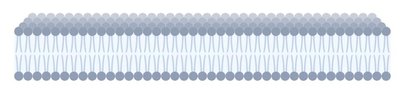
Plasma Membrane: A lipid bilayer that encloses the cell, regulating the entry and exit of substances.
Cytoplasm: The internal fluid containing cellular components.
Chromosomes: DNA molecules carrying genetic information.
Ribosomes: Complexes responsible for protein synthesis.
Prokaryotic vs. Eukaryotic Cells
Structural Differences
Prokaryotic cells differ from eukaryotic cells in several key aspects:
DNA Location: Prokaryotes have DNA in a nucleoid; eukaryotes store DNA in a nucleus.
Organelles: Eukaryotes possess membrane-bound organelles; prokaryotes do not.
Cell Wall: Present in most prokaryotes and plant cells, absent in animal cells.
Specialized Prokaryotes: Cyanobacteria
Photosynthetic Prokaryotes
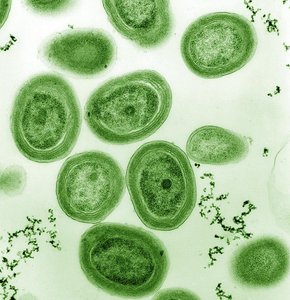
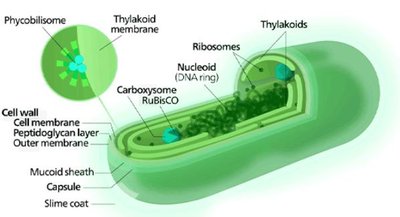
Cyanobacteria are prokaryotes with internal membranes specialized for photosynthesis. They play a crucial role in oxygen production and carbon fixation.
Thylakoid Membranes: Sites of photosynthetic reactions.
Nucleoid: Contains circular DNA.
Animal vs. Plant Cells
Key Differences
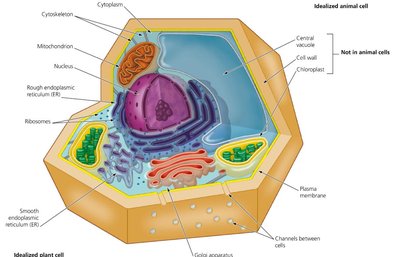
Animal and plant cells share many organelles but differ in certain structures and functions:
Animal Cells: Prominent nucleus, lack vacuoles and chloroplasts, possess centrioles and cytoskeleton.
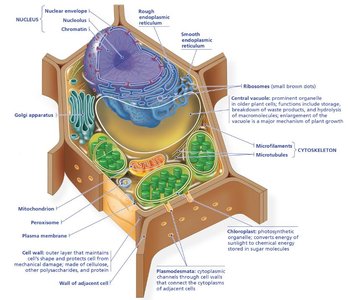
Plant Cells: Large central vacuole, cell wall, chloroplasts, plasmodesmata, and cytoskeleton.
Organelles and Their Functions
Nucleus
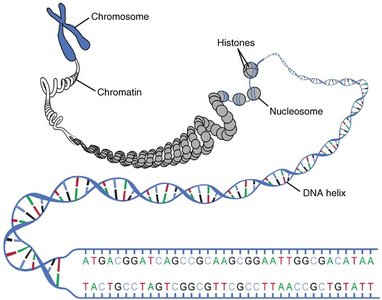
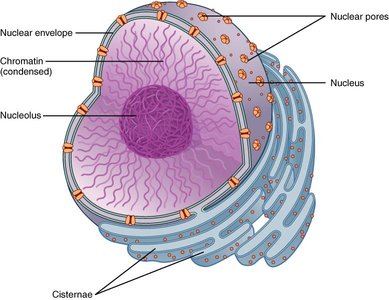
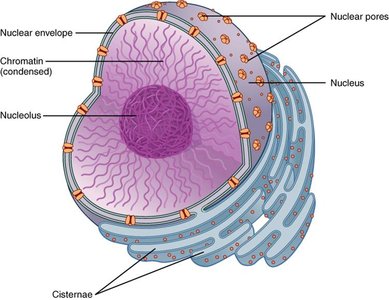
The nucleus is the information center of the cell, containing most of the cell's DNA. It is surrounded by a double membrane (nuclear envelope) with pores for transport.
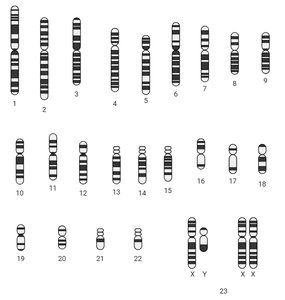
Chromosomes: DNA molecules associated with histone proteins, forming chromatin.
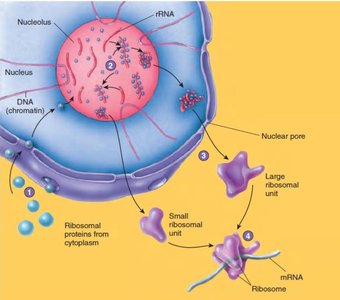
Nucleolus: Site of rRNA production and ribosome assembly.
Ribosomes
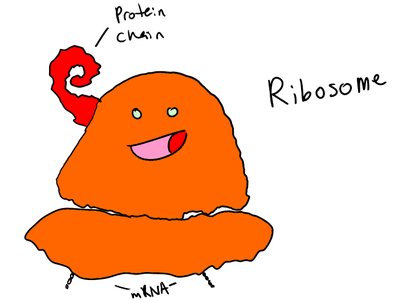
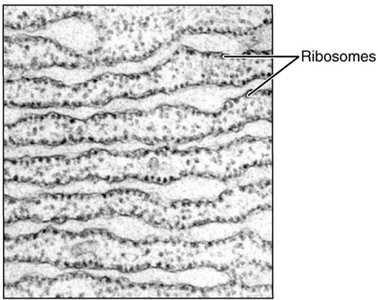
Ribosomes are complexes of rRNA and proteins responsible for translating mRNA into proteins. They can be free in the cytoplasm or attached to the rough ER.
High Protein Production: Cells with high protein synthesis have numerous ribosomes and prominent nucleoli.
Endomembrane System
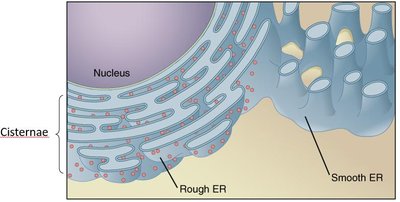
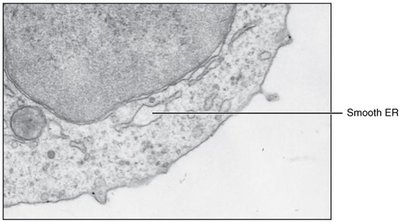
The endomembrane system is a network of membranes involved in protein and lipid synthesis, transport, and detoxification.
Components: Endoplasmic reticulum (ER), Golgi apparatus, lysosomes, vesicles, vacuoles, nuclear envelope, and plasma membrane.
Functions: Synthesis and transport of proteins and lipids, detoxification, and storage.
Golgi Apparatus
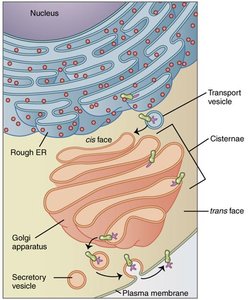
The Golgi apparatus sorts, modifies, and ships proteins and lipids received from the ER. It has structural and functional polarity, with a cis face (receiving side) and a trans face (shipping side).
Modification: Glycosylation and other modifications of proteins and lipids.
Secretory Vesicles: Formed at the trans face for export.
Lysosomes
Lysosomes are membrane-bound organelles containing hydrolytic enzymes for digestion. They function in autophagy (self-eating) and phagocytosis (digesting foreign material).
Acidic pH: Lysosomal enzymes are active at low pH, providing a protective mechanism.
Glycosylation: Protects lysosomal membrane from enzymatic digestion.
Vacuoles
Vacuoles are membrane-bound compartments for storage and transport. Plant cells have a large central vacuole for water and solute storage, contributing to turgor pressure.
Types: Food vacuoles, contractile vacuoles, storage vacuoles.
Energy Production and Detoxification
Mitochondria
Mitochondria are the sites of cellular respiration, converting nutrients and oxygen into ATP. They have a double membrane, with the inner membrane forming cristae to increase surface area.
Matrix: Contains enzymes, mitochondrial DNA, and ribosomes.
Inheritance: Mitochondrial DNA is maternally inherited.
Chloroplasts
Chloroplasts are found in photosynthetic cells and convert light energy and CO2 into chemical energy and carbohydrates. They have a double membrane and internal thylakoid membranes organized into grana.
Stroma: Contains enzymes, chloroplast DNA, and ribosomes.
Plastids: Include amyloplasts (starch storage) and chromoplasts (pigment storage).
Peroxisomes
Peroxisomes are single-membrane organelles involved in lipid metabolism and detoxification. They contain enzymes such as oxidases and catalases to degrade fatty acids and detoxify hydrogen peroxide.
Glyoxysomes: Specialized peroxisomes in plant seeds for converting fatty acids to sugars.
Cytoskeleton and Cell Movement
Cytoskeleton
The cytoskeleton is a dynamic network of protein filaments providing structural support, cell movement, and division. It consists of three main components:
Microtubules: Tubulin-based, involved in cell shape, transport, and division.
Microfilaments: Actin-based, involved in cell movement and shape.
Intermediate Filaments: Provide mechanical strength.
Centrosomes and Centrioles
Animal cells contain centrosomes with paired centrioles, organizing microtubules during cell division. Plant cells lack centrioles but organize microtubules differently.
Extracellular Components
Cell Wall in Plants
Plant cells have a rigid cell wall composed mainly of cellulose, providing protection, shape, and preventing excessive water uptake. The wall consists of primary and secondary layers, with pectin-rich middle lamella between cells.
Extracellular Matrix in Animals
Animal cells lack a cell wall but have an extracellular matrix (ECM) rich in glycoproteins, proteoglycans, and collagen, providing structural support and facilitating cell signaling.
Cell Junctions and Tissues
Intercellular Contacts
Multicellular organisms organize cells into tissues and organs, with specialized junctions for adhesion, communication, and transport.
Plasmodesmata: Channels connecting plant cells for transport of water and solutes.
Tight Junctions: Seal animal cells to prevent leakage.
Desmosomes: Anchor cells together in tissues subject to mechanical stress.
Gap Junctions: Allow direct communication between animal cells.
Summary Table: Comparison of Cell Types
Feature | Prokaryotic Cell | Animal Cell | Plant Cell |
|---|---|---|---|
Nucleus | No | Yes | Yes |
Cell Wall | Yes | No | Yes |
Chloroplasts | No | No | Yes |
Vacuole | Small/None | Small/None | Large Central |
Ribosomes | Yes | Yes | Yes |
Membrane-bound Organelles | No | Yes | Yes |
Additional info: Academic context was added to clarify the functions and relationships of organelles, cell types, and cellular processes. All included images directly reinforce the adjacent explanations and are strictly relevant to the described content.
