 Back
BackExponential and Logarithmic Functions: Inverses, Properties, and Applications
Study Guide - Smart Notes
 Tailored notes based on your materials, expanded with key definitions, examples, and context.
Inverse Functions
Inverse Relationship and Function Definition
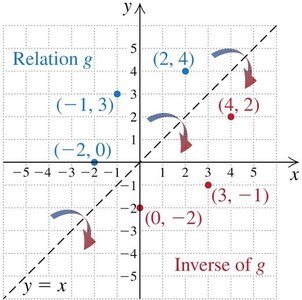
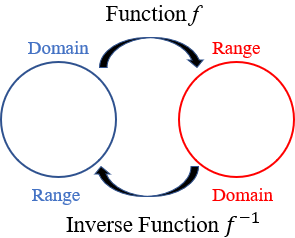
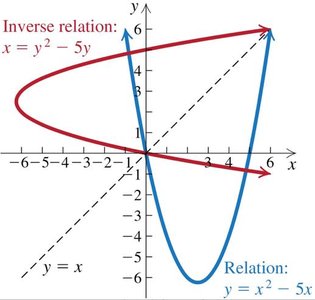
Inverse functions are fundamental in algebra, allowing us to reverse the effect of a function. If a function f is one-to-one, its inverse f-1 exists and is also a function. The inverse relation is obtained by interchanging the domain and range of the original function.
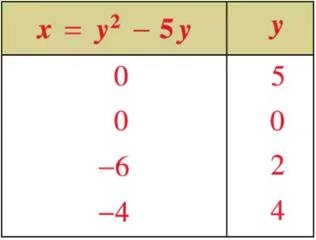
Inverse Relation: Interchanging the first and second coordinates of each ordered pair in a relation produces the inverse relation.
Domain and Range: The domain of the original function becomes the range of its inverse, and vice versa.
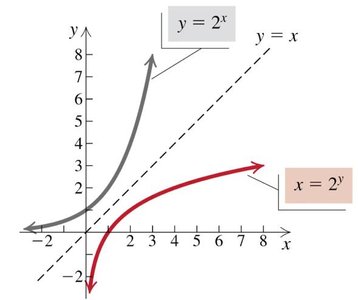
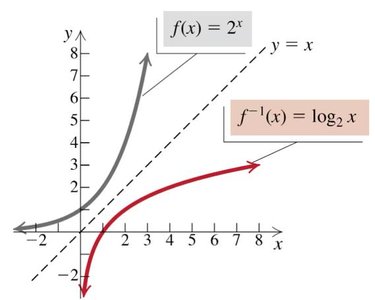
Reflection: The graph of the inverse is a reflection of the original function across the line y = x.
Vertical-Line Test and Function Definition
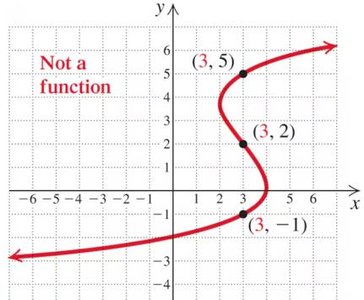
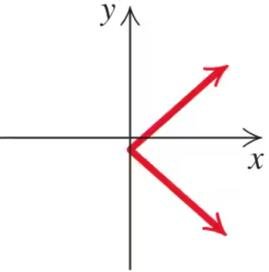
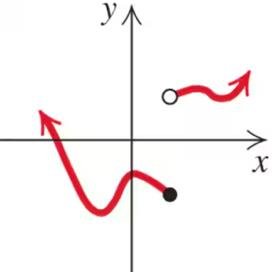
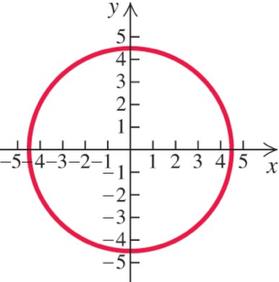
The vertical-line test is used to determine whether a graph represents a function. If a vertical line crosses the graph more than once, the graph does not represent a function.
Function Definition: Each input (x-value) must correspond to only one output (y-value).
Non-Function Example: If a graph contains two or more points with the same first coordinate, it is not a function.
Inverse of Quadratic Functions
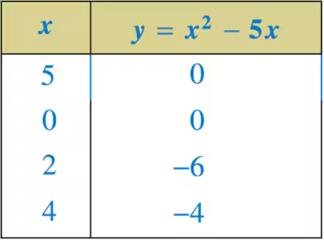
Quadratic functions, such as y = x2 - 5x, do not always have inverses that are functions. This is because multiple x-values can yield the same y-value, violating the one-to-one requirement.
One-to-One Functions: A function is one-to-one if different inputs give different outputs.
Horizontal-Line Test: If a horizontal line crosses the graph more than once, the function is not one-to-one.
Restricting Domain: Sometimes, restricting the domain allows the inverse to be a function.
Exponential Functions
Definition and Properties
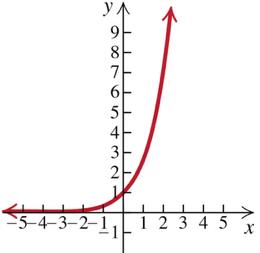
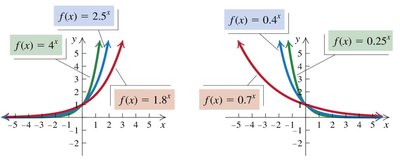
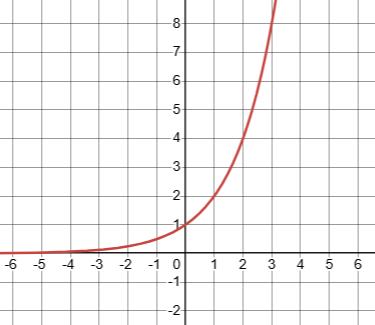
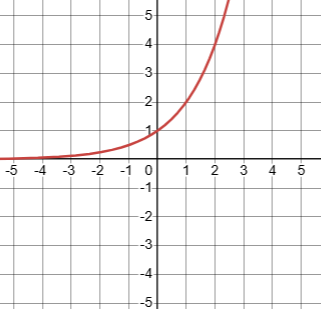
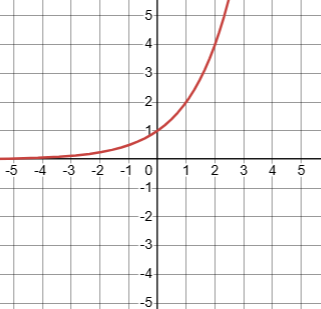
An exponential function is defined as f(x) = ax, where a > 0 and a ≠ 1. The variable is in the exponent, distinguishing it from polynomial functions.
Continuous and One-to-One: Exponential functions are continuous and one-to-one.
Domain:
Range:
Increasing/Decreasing: Increasing if a > 1, decreasing if 0 < a < 1.
Horizontal Asymptote: y = 0
y-intercept: (0, 1)
Exponent Rules
Exponent rules are essential for simplifying expressions involving powers:
Product Rule:
Quotient Rule:
Power Rule:
Raising a Product to a Power:
Raising a Quotient to a Power:
Zero Exponent:
Negative Exponent:
Applications: Compound Interest
Exponential functions model compound interest, population growth, and decay. The compound interest formula is:
P: Principal amount
r: Interest rate (decimal)
n: Number of compounding periods per year
t: Time in years
Logarithmic Functions
Definition and Properties
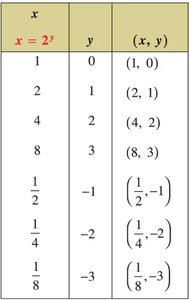
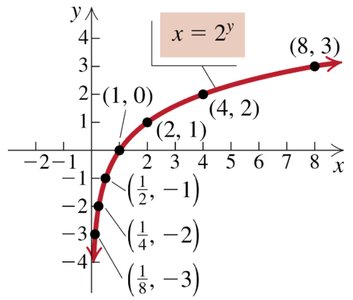
The logarithmic function is the inverse of the exponential function. For y = loga(x), x = ay, where x > 0 and a > 0, a ≠ 1.
Continuous and One-to-One: Logarithmic functions are continuous and one-to-one.
Domain:
Range:
Vertical Asymptote: x = 0
x-intercept: (1, 0)
y-intercept: None
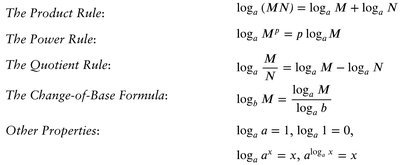
Logarithm Properties
Logarithms have several important properties:
Product Rule:
Quotient Rule:
Power Rule:
Change of Base Formula:
Other Properties: , , ,
Solving Exponential and Logarithmic Equations
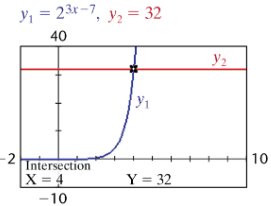
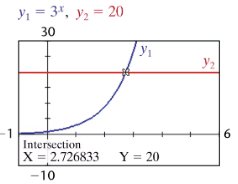
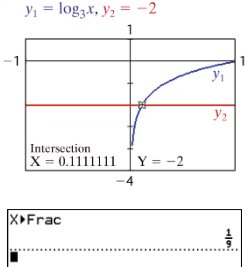
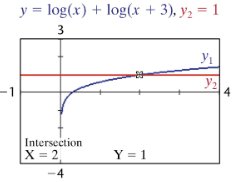
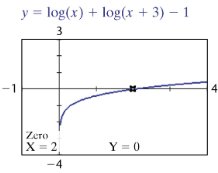
To solve exponential equations, use properties of exponents or convert to logarithmic form. For logarithmic equations, use properties of logarithms or convert to exponential form.
Base-Exponent Property:
Change to Logarithmic Form:
Change to Exponential Form:
Applications: Growth and Decay Models
Population Growth and Decay
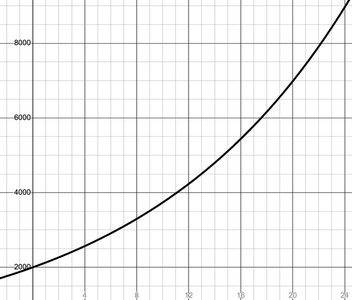
Exponential functions model population growth and decay. The general form is:
Growth: , where
Decay: , where
Doubling Time:
Half-Life:
Compound Interest (Continuous)
For continuous compounding, the formula is:
P: Principal
r: Interest rate (decimal)
t: Time in years
Summary Table: Exponential vs. Logarithmic Functions
Property | Exponential Function | Logarithmic Function |
|---|---|---|
Domain | ||
Range | ||
Asymptote | Horizontal: | Vertical: |
Intercept | y-intercept: (0,1) | x-intercept: (1,0) |
Inverse | Logarithmic function | Exponential function |
Key Takeaways
Inverse functions swap domain and range.
Exponential functions model growth and decay; logarithmic functions are their inverses.
Properties of exponents and logarithms are essential for solving equations and simplifying expressions.
Applications include compound interest, population growth, and radioactive decay.
