 Back
BackIntroduction to Genetics: Foundations, Molecular Genetics, and Modern Applications
Study Guide - Smart Notes
 Tailored notes based on your materials, expanded with key definitions, examples, and context.
Introduction to Genetics
Overview
Genetics is the branch of biology concerned with the study of heredity and variation. This field explores how traits are passed from one generation to the next and how genetic information is expressed and regulated. The development of genetics has shaped our understanding of biology, medicine, and biotechnology.
Genetics Has a Rich and Interesting History
The Dawn of Modern Biology (1600–1850)
Theory of Epigenesis: Proposed by William Harvey, this theory states that structures such as organs are not present in the early embryo but develop later.
Theory of Preformation: Suggested that the fertilized egg contains a miniature adult, called a homunculus.

Cell Theory: Schleiden and Schwann (1830s) established that all organisms are composed of cells, the basic structural units of life.
Disproving Spontaneous Generation: Louis Pasteur demonstrated that living organisms do not arise from nonliving matter.
The Origin of Species and Evolution
Charles Darwin (1859): Published The Origin of Species, introducing the concepts of descent with modification and natural selection as the mechanism for evolutionary change.
Alfred Russel Wallace: Independently proposed the theory of evolution by natural selection.
Genetics Progressed from Mendel to DNA in Less Than a Century
Mendelian Genetics
Gregor Mendel (1866): Used pea plants to demonstrate that traits are passed from generation to generation in predictable patterns, laying the foundation for the field of genetics.
Genetics: Defined as the study of heredity and variation.
Mitosis and Meiosis
Mitosis: Chromosomes are copied and distributed equally to two daughter cells, each receiving a diploid set (2n).
Meiosis: Chromosomes are copied and distributed to gametes, which receive only half the number of chromosomes (haploid, n).
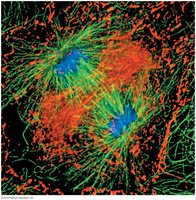
Chromosome Number and Structure
Diploid Number (2n): Most eukaryotes have a characteristic number of chromosomes, existing in pairs called homologous chromosomes.
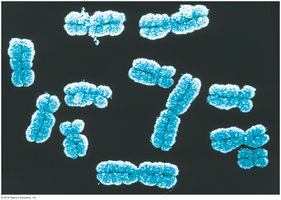
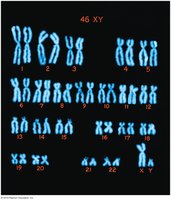
Chromosomal Theory of Inheritance
Genes reside on chromosomes and are transmitted through gametes, ensuring genetic continuity across generations.
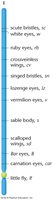
Alleles and Genetic Variation
Alleles: Different forms of a gene produced by mutations, which are the source of genetic variation.
Genotype: The set of alleles for a given trait.
Phenotype: The observable expression of the genotype.
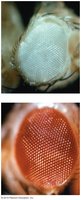
DNA as the Carrier of Genetic Information
Experiments by Avery, MacLeod, and McCarty (1944) demonstrated that DNA, not protein, is the genetic material in bacteria.
Discovery of the Double Helix Launched the Era of Molecular Genetics
Structure of DNA
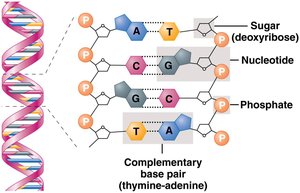
DNA is an antiparallel, double-stranded helix composed of nucleotides (sugar, phosphate, and nitrogenous base: adenine, cytosine, guanine, thymine).
Complementary base pairing: A–T and G–C.
Structure of RNA
RNA is usually single-stranded, contains uracil (U) instead of thymine (T), and has ribose as its sugar.
The Central Dogma of Genetics
Genetic information flows from DNA to RNA to protein.
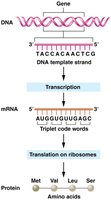
DNA is transcribed into RNA, which is then translated into protein.
The Genetic Code
Codons: Triplet nucleotides in mRNA that specify amino acids during protein synthesis.
Proteins and Gene Expression
Proteins are the end products of gene expression and determine phenotypes.
Enzymes are a major class of proteins, and there are 20 different amino acids that combine in various ways to form proteins.
Genetic Mutations and Disease
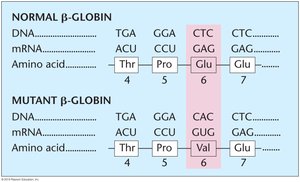
Sickle-cell anemia is caused by a single-nucleotide mutation in the gene encoding hemoglobin, resulting in an altered protein and disease phenotype.
Development of Recombinant DNA Technology Began the Era of Cloning
Restriction Enzymes and Cloning
Restriction enzymes, discovered in the 1970s, cut DNA at specific sites, enabling the development of recombinant DNA technology and gene cloning.
The Impact of Biotechnology Is Continually Expanding
Applications of Biotechnology
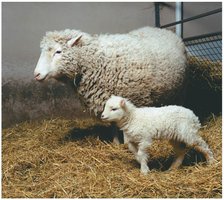
Biotechnology is used in healthcare, agriculture, food production, and the legal system.
Genetic modification of crops has led to increased resistance to herbicides, insects, and viruses, as well as improved nutrition and water use efficiency.
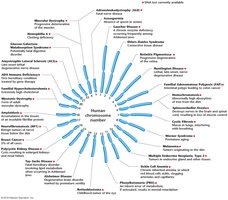
Genetic testing is used for prenatal diagnosis and detection of heritable disorders.
Genomics, Proteomics, and Bioinformatics Are New and Expanding Fields
Definitions and Scope
Genomics: Study of the structure, function, and evolution of genes and genomes.
Proteomics: Identification and study of all proteins present in a cell under specific conditions, including their functions and interactions.
Bioinformatics: Application of computational tools to process and analyze nucleotide and protein data.
Common Origin and Modern Approaches
Genes with similar functions are structurally and sequence-wise similar across different organisms, reflecting a common origin of life.
Classical (Forward) Genetics: Identifies genes responsible for mutant phenotypes.
Reverse Genetics: Starts with a known DNA sequence to determine gene function, often using gene knockout techniques.
Genetic Studies Rely on the Use of Model Organisms
Criteria for Model Organisms
Model organisms are easy to grow, have short life cycles, produce many offspring, and are amenable to genetic analysis.
Model Organisms and Human Disease
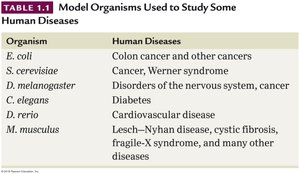
Model organisms are used to study the genetic basis of human diseases due to their genetic similarities and experimental tractability.
Organism | Human Diseases |
|---|---|
E. coli | Colon cancer and other cancers |
S. cerevisiae | Cancer, Werner syndrome |
D. melanogaster | Disorders of the nervous system, cancer |
C. elegans | Diabetes |
D. rerio | Cardiovascular disease |
M. musculus | Lesch–Nyhan disease, cystic fibrosis, fragile-X syndrome, and many other diseases |
Historical and Modern Model Organisms
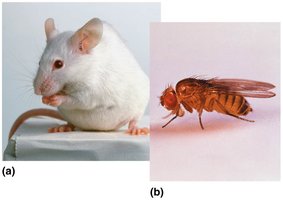
First-generation model organisms include the mouse and fruit fly.
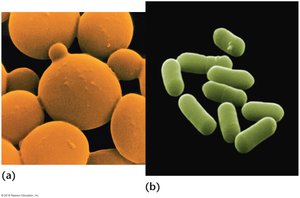
Modern model organisms include viruses (T phages, lambda phages), bacteria (Escherichia coli), and yeast (Saccharomyces cerevisiae).
We Live in the Age of Genetics
Milestones and Future Directions
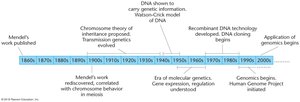
Genetics has rapidly advanced from Mendel’s foundational work to the Human Genome Project.
Numerous Nobel Prizes have been awarded for discoveries in genetics, including the 1962 prize to Watson, Crick, and Wilkins for the discovery of the DNA double helix.
Society faces important ethical and practical issues related to genetics, such as prenatal testing, gene ownership, and gene therapy safety.
