 Back
BackRevision of Mitosis & Meiosis – Genetics 214 Study Notes
Study Guide - Smart Notes
 Tailored notes based on your materials, expanded with key definitions, examples, and context.
Revision of Mitosis & Meiosis
Introduction to Cell Division
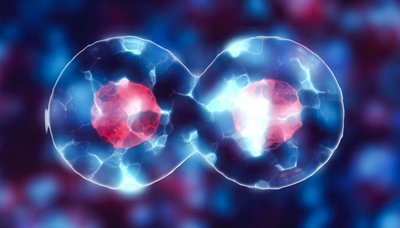
Cell division is a fundamental process in all living organisms, essential for growth, recovery, and reproduction. In genetics, understanding the mechanisms of cell division—mitosis and meiosis—is crucial for explaining inheritance, genetic variation, and the continuity of life.
Growth: Cell division allows organisms to grow by increasing the number of cells.
Recovery: Damaged tissues are repaired through the production of new cells.
Reproduction: Cell division is necessary for both asexual and sexual reproduction.
The Cell & Genetic Material
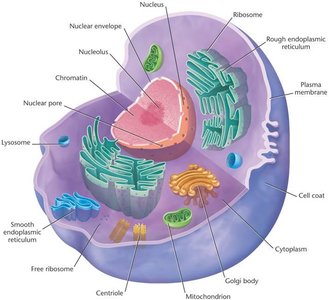
Cell Structure and Genetic Information
Genetic material is primarily stored in the nucleus of eukaryotic cells, but extranuclear inheritance also exists (e.g., mitochondria and chloroplasts). The cell contains various organelles, each with specialized functions, but the nucleus is the main repository of genetic information.
Chromatin and Chromosomes
Chromatin vs. Chromosome
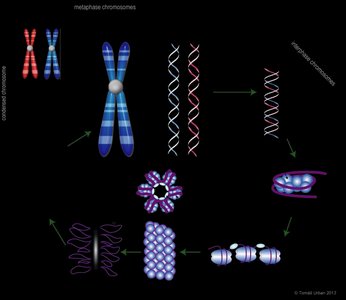
Chromatin is the uncondensed form of genetic material found in the nucleus during interphase. During cell division, chromatin condenses to form visible chromosomes. The structure and organization of chromosomes are essential for accurate segregation during cell division.
Chromosome Structure and Classification
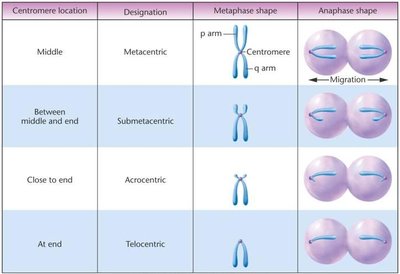
Chromosomes are classified based on the position of the centromere:
Centromere Location | Designation | Metaphase Shape | Anaphase Shape |
|---|---|---|---|
Middle | Metacentric | p and q arms equal | Migration to poles |
Between middle and end | Submetacentric | p arm shorter than q arm | Migration to poles |
Close to end | Acrocentric | p arm much shorter | Migration to poles |
At end | Telocentric | Centromere at terminal end | Migration to poles |
Homologous Chromosomes
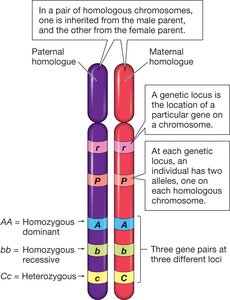
Homologous chromosomes are pairs of chromosomes with the same length, centromere position, and gene loci. One is inherited from each parent. They are crucial for genetic recombination and segregation during meiosis.
Haploid vs. Diploid Cells
Definitions and Significance
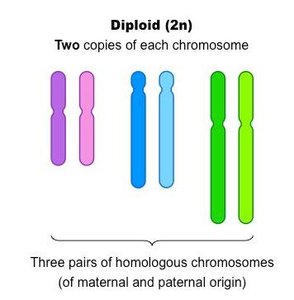
Diploid (2n): Cells with two sets of chromosomes (somatic cells).
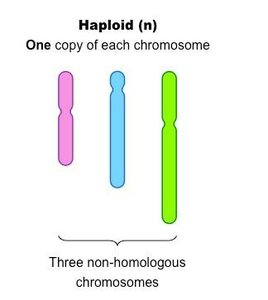
Haploid (n): Cells with one set of chromosomes (gametes).
Each somatic cell of a species contains the same diploid number of chromosomes. Gametes are haploid, ensuring that fertilization restores the diploid state.
Mitosis
Overview and Key Features
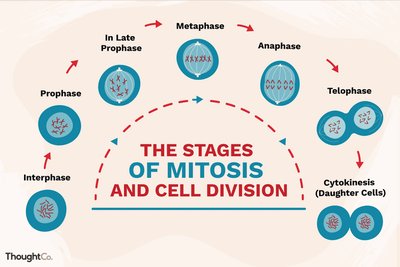
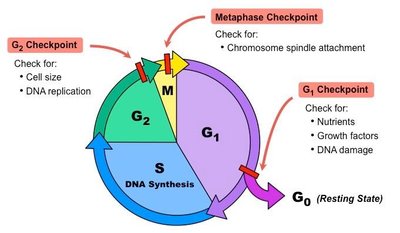
Mitosis is the process by which somatic cells divide, producing two genetically identical daughter cells. The chromosome number remains unchanged (2n → 2n or n → n). Mitosis is essential for growth, tissue repair, and asexual reproduction.
Occurs in: All somatic tissues
Result: Two daughter cells identical to the parent cell
No genetic exchange: No crossing over or recombination
Phases of Mitosis
Prophase: Chromosomes condense, spindle forms.
Metaphase: Chromosomes align at the metaphase plate.
Anaphase: Sister chromatids separate to opposite poles.
Telophase: Nuclear envelopes reform, chromosomes decondense.
Cytokinesis: Division of the cytoplasm, forming two cells.
Meiosis
Overview and Key Features
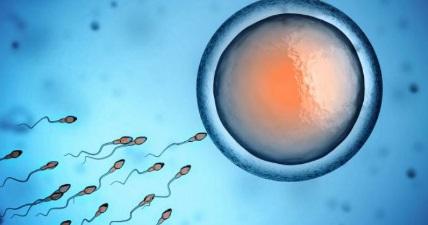
Meiosis is a two-step division process that reduces the chromosome number by half, producing four genetically unique haploid cells (gametes). It is essential for sexual reproduction and introduces genetic variation.
Meiosis I (Reductional Division): Homologous chromosomes separate, reducing chromosome number from 2n to n.
Meiosis II (Equational Division): Sister chromatids separate, similar to mitosis, maintaining the haploid number.
Genetic Variation in Meiosis
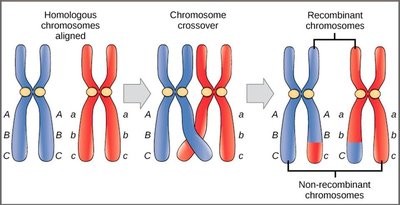
Crossing Over: Exchange of genetic material between homologous chromosomes during prophase I, creating new allele combinations.
Random Segregation: Homologous chromosomes are randomly distributed to daughter cells, increasing genetic diversity.
Importance of Meiosis
Maintains Chromosome Number: Ensures continuity of genetic material across generations.
Promotes Genetic Variation: Through recombination and independent assortment, meiosis increases genetic diversity in populations.
Summary Table: Mitosis vs. Meiosis
Feature | Mitosis | Meiosis |
|---|---|---|
Number of Divisions | One | Two |
Number of Daughter Cells | Two | Four |
Genetic Identity | Identical to parent | Genetically unique |
Chromosome Number | 2n → 2n (or n → n) | 2n → n |
Role | Growth, repair, asexual reproduction | Sexual reproduction, genetic variation |
Conclusion
Understanding mitosis and meiosis is fundamental to genetics, as these processes explain how genetic material is transmitted, maintained, and diversified across generations. Mastery of these concepts is essential for solving many genetic problems and for further studies in heredity and variation.
