Pearson+ LogoPearson+ Logo
Ch.17 Nucleic Acids and Protein Synthesis
Timberlake - Chemistry: An Introduction to General, Organic, and Biological Chemistry 14th Edition
Timberlake14thChemistry: An Introduction to General, Organic, and Biological ChemistryISBN: 9781292472249Not the one you use?Change textbook
Chapter 17, Problem 83

What part of the COVID-19 virus was used to make a vaccine?

Verified step by step guidance
1
Understand that vaccines work by introducing a harmless component of a virus to the immune system, allowing the body to recognize and respond to the actual virus if encountered.
Learn that for COVID-19 vaccines, the spike protein (S-protein) of the SARS-CoV-2 virus was used. This protein is located on the surface of the virus and is responsible for allowing the virus to enter human cells.
Recognize that mRNA vaccines, such as Pfizer-BioNTech and Moderna, use messenger RNA to instruct cells to produce the spike protein, which then triggers an immune response.
Understand that other vaccines, like Johnson & Johnson, use a viral vector approach, where a harmless virus is modified to carry the genetic code for the spike protein into the body.
Appreciate that the spike protein is a key target for vaccine development because it is essential for the virus's ability to infect cells, making it an effective component for training the immune system.

Key Concepts

Here are the essential concepts you must grasp in order to answer the question correctly.

Spike Protein

The spike protein is a key component of the COVID-19 virus, responsible for allowing the virus to enter human cells. It is the target for most COVID-19 vaccines, as it triggers an immune response. By introducing a harmless piece of the spike protein or its genetic instructions, vaccines prepare the immune system to recognize and combat the actual virus.
Recommended video:
Guided course
2:01
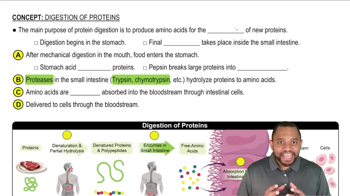
Digestion of Proteins Concept 1

mRNA Technology

mRNA technology is a groundbreaking approach used in some COVID-19 vaccines, such as Pfizer-BioNTech and Moderna. These vaccines use messenger RNA to instruct cells to produce a harmless piece of the spike protein, prompting an immune response. This method allows for rapid development and adaptability in response to emerging variants of the virus.
Recommended video:
Guided course
6:37
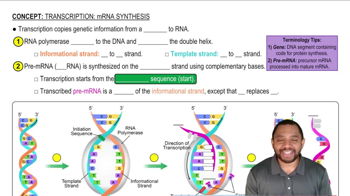
Transcription: mRNA Synthesis Concept 1

Vaccine Efficacy

Vaccine efficacy refers to the percentage reduction of disease in a vaccinated group compared to an unvaccinated group under controlled conditions. For COVID-19 vaccines, high efficacy rates indicate their effectiveness in preventing severe illness and transmission. Understanding vaccine efficacy is crucial for public health strategies and vaccination campaigns.