Back
BackChemistry of Nutrition, Fitness, and Health: Essential Concepts for Introductory Chemistry
Study Guide - Smart Notes
 Tailored notes based on your materials, expanded with key definitions, examples, and context.
The Chemical World of Nutrition
Introduction to Food as Chemicals
Foods are composed of a variety of chemicals essential for life, including carbohydrates, fats, proteins, water, vitamins, minerals, and fiber. Understanding the chemical nature of these nutrients is fundamental to appreciating their roles in human health and metabolism.
Measurement and Problem Solving in Nutrition
Calories: Quantity and Quality
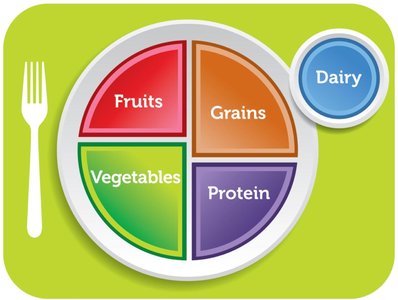
Calories measure the energy content of food. The quality of calories is also important, as different nutrients provide varying amounts of energy and have distinct metabolic effects. The USDA/HHS Dietary Guidelines for Americans recommend a balanced intake of nutrients for optimal health.
Matter and Energy in Fitness
Nutrition and the Athlete
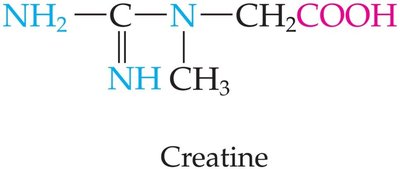
Muscle contraction against resistance releases creatine, which stimulates the production of myosin, a protein essential for muscle growth. This process is a key aspect of building muscle tissue and improving athletic performance.
Minerals and Vitamins: Essential Elements and Compounds
Minerals: Inorganic Chemicals and Life
Minerals are inorganic elements required for various physiological functions. They are classified as bulk structural elements, macrominerals, trace elements, and ultratrace elements. Deficiency in dietary minerals can lead to serious health issues, such as thyroid goiters from lack of iodine.
Category | Element | Symbol | Form Used |
|---|---|---|---|
Bulk Structural Elements | Hydrogen | H | Covalent |
Carbon | C | Covalent | |
Oxygen | O | Covalent | |
Nitrogen | N | Covalent | |
Macrominerals | Sodium | Na | Na+ |
Potassium | K | K+ | |
Calcium | Ca | Ca2+ | |
Magnesium | Mg | Mg2+ | |
Chlorine | Cl | Cl- | |
Trace Elements | Iron | Fe | Fe2+ |
Copper | Cu | Cu2+ | |
Zinc | Zn | Zn2+ | |
Ultratrace Elements | Manganese | Mn | Mn2+ |
Iodine | I | I- | |
Selenium | Se | SeO42- |
Vitamins: Organic Compounds Essential for Health
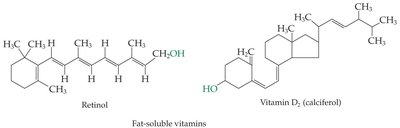
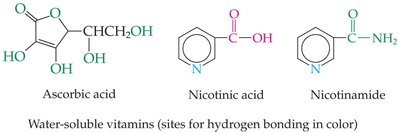
Vitamins are organic compounds required in small amounts to prevent specific diseases. They are classified as fat-soluble or water-soluble, each with distinct roles and deficiency symptoms.
Vitamin | Name | Sources | Deficiency Disease/Condition |
|---|---|---|---|
A | Retinol | Fish, liver, eggs, butter, cheese, carrots | Blindness, night blindness |
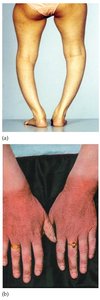
D2 | Calciferol | Cod liver oil, mushrooms, milk supplement | Rickets, osteomalacia |
E | α-Tocopherol | Wheat germ oil, green vegetables, egg yolks | Sterility, muscular dystrophy |
K1 | Phylloquinone | Spinach, leafy vegetables | Hemorrhage |
B1 | Thiamine | Grains, legumes, nuts, milk | Beriberi |
B2 | Riboflavin | Milk, meat, eggs, vegetables | Dermatitis, glossitis |
B3 | Niacin | Meat, greens, yeast | Pellagra |
B6 | Pyridoxine | Eggs, liver, yeast | Dermatitis, infections |
B9 | Folic acid | Liver, vegetables | Anemia, neural tube defects |
B12 | Cyanocobalamin | Liver, meat, eggs | Pernicious anemia |
C | Ascorbic acid | Citrus fruits, tomatoes | Scurvy |
Fiber, Electrolytes, and Water
Dietary Fiber
Dietary fiber is classified as soluble (gums, pectins) or insoluble (cellulose). It supports colon health, helps control blood sugar, and may lower cholesterol levels.
Electrolytes
Electrolytes are substances that form ions in solution, enabling electrical conductivity. They are essential for maintaining cellular charge balance and water flow. Main electrolytes include Na+, K+, Cl-, Ca2+, Mg2+, SO42-, HPO42-, and HCO3-.
Water
Water is vital for life and constitutes the majority of dietary intake. The human body requires 1–1.5 liters of water daily to maintain physiological functions.
Effects of Dehydration
% Body Weight Lost as Sweat | Physiological Effect |
|---|---|
2% | Performance impaired |
4% | Muscular work capacity declines |
5% | Heat exhaustion |
7% | Hallucinations |
10% | Circulatory collapse and heat stroke |

Food Additives: Chemistry in Food Processing
Types and Functions of Food Additives
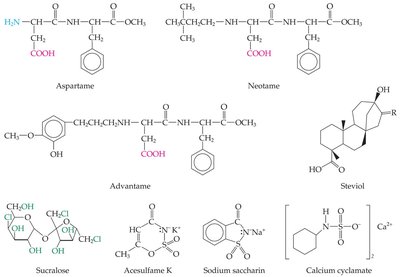
Food additives are substances added during production, processing, packaging, or storage. Common additives include sugar, salt, corn syrup, citric acid, and various vitamins and minerals to improve nutrition.
Artificial Sweeteners
Compound | Relative Sweetness (Sucrose = 1) |
|---|---|
Lactose | 0.16 |
Maltose | 0.33 |
Glucose | 0.74 |
Sucrose | 1.00 |
Fructose | 1.73 |
Steviol glycoside | 30 |
Cyclamate | 45 |
Aspartame | 180 |
Acesulfame K | 200 |
Saccharin | 300 |
Sucralose | 600 |
Neotame | 13,000 |
Flavor Enhancers
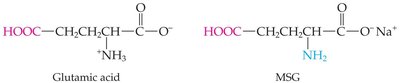
Monosodium glutamate (MSG) is a common flavor enhancer. Excessive intake can be harmful, especially for pregnant women.
Spoilage Inhibitors
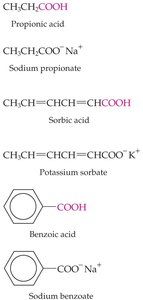
Antimicrobials such as propionic acid, sorbic acid, benzoic acid, and their salts prevent spoilage from microorganisms.
Antioxidants
Antioxidants like BHA, BHT, tert-butylhydroquinone, and propyl gallate prevent fats in foods from becoming rancid by neutralizing free radicals.

Starvation, Fasting, and Malnutrition
Protein Requirements and Deficiency
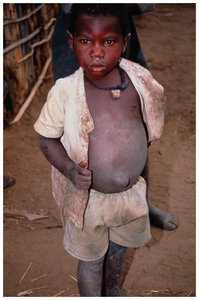
The human body requires about 0.8 grams of protein per kilogram of body weight. Protein deficiency can cause stunted growth, skin and hair discoloration, and a swollen abdomen.
Weight-Loss, Diet, and Exercise
Principles of Weight Loss
One pound of adipose tissue equals 3,500 calories. Gradual caloric reduction and balanced nutrition are essential for healthy weight loss. Crash diets often result in water loss rather than fat loss and can lead to nutritional deficiencies.
Biochemistry of Hunger
Ghrelin: Appetite stimulant produced in the stomach.
Peptide YY (PYY): Appetite suppressant peptide.
Leptin: Protein from fat cells that promotes weight loss; resistance to leptin is common in obesity.
Cholecystokinin: Peptide from the intestine signaling satiety.
Exercise for Weight Loss
Exercise increases metabolic rate, supporting fitness and weight loss. The most effective approach combines a nutritious, low-calorie diet with regular exercise.
Measuring Fitness
Body Fat and BMI
Fitness is often assessed by body fat percentage, which can be measured by density, waist/hip ratio, or bioelectric impedance. Body Mass Index (BMI) is calculated as:
Ideal BMI for adults is 18.5–24.9; 25–29.9 is overweight; >30 is obese.

VO2 Max: A Measure of Fitness
VO2 max is the maximum oxygen consumption per minute per kilogram of body weight. It can be estimated from percent maximum heart rate (%MHR):
Some Muscular Chemistry
Muscle Structure and Function
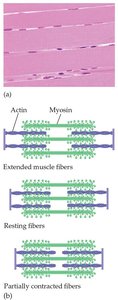
Muscles contain actin and myosin proteins, which form actomyosin complexes. The energy from adenosine triphosphate (ATP) is converted to kinetic energy for muscle contraction.
Aerobic and Anaerobic Exercise
During aerobic exercise, glycogen is converted to pyruvic acid and then oxidized to CO2 and H2O. In anaerobic conditions, pyruvic acid is converted to lactic acid, causing muscle fatigue.

Muscle Fiber Types
Characteristic | Type I (Slow Twitch) | Type IIB (Fast Twitch) |
|---|---|---|
Color | Red | White |
Respiratory Capacity | High | Low |
Myoglobin Level | High | Low |
Catalytic Activity | Low | High |
Glycogen Use | Low | High |
Building Muscles
Endurance exercise increases myoglobin and develops type I fibers but does not increase muscle mass.
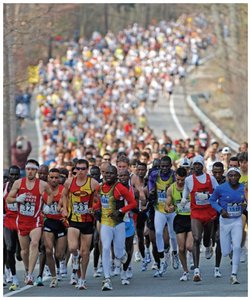
Weight training builds type IIB fibers, increasing muscle mass but not respiratory capacity.