 Back
BackIntroduction to Chemical Warfare Agents: Chemistry, Toxicology, and Mechanisms
Study Guide - Smart Notes
 Tailored notes based on your materials, expanded with key definitions, examples, and context.
Chemical Warfare Agents: Classification and Toxicology
Overview of Chemical Warfare Agents
Chemical warfare agents (CWAs) are toxic chemicals designed to incapacitate, injure, or kill through their chemical action. Their study involves understanding their chemical properties, mechanisms of toxicity, and the principles of toxicology that govern their effects on living organisms.
Classification: CWAs are classified based on their physiological effects, chemical structure, and intended use.
Examples: Choking agents (chlorine, phosgene), blood agents (cyanide), blister agents (mustard gas), nerve agents (sarin), incapacitants, and incendiaries.
Principles of Toxicology
Toxicology is the study of the adverse effects of chemicals on living organisms. The toxicity of a substance depends on its dose, route of exposure, and the biological system affected.
Paracelsus' Principle: "All things are poisons, for there is nothing without poisonous qualities. It is only the dose which makes a thing a poison."
Lethal Dose (LD50): The dose required to kill 50% of a test population, usually expressed in mg/kg body weight.
Other Toxicological Terms:
ED50: Dose causing a specific effect in 50% of the population.
LDLO: Lowest recorded lethal dose.
LCt50: Lethal concentration in air for a specified time.
ICt50: Concentration inhibiting a biological function in 50% of the population.
Dose-Response Relationship
The relationship between the dose of a chemical and the magnitude of its toxic effect is fundamental in toxicology. This is often represented by a sigmoidal (S-shaped) curve.
Shallow Slope: Indicates a wide margin of safety (important for pharmaceuticals and pesticides).
Steep Slope: Indicates a narrow margin of safety.
Routes of Chemical Absorption
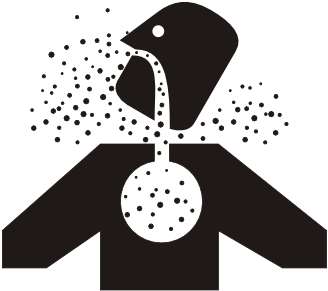
Chemicals can enter the human body through three main routes, each with distinct absorption characteristics:
Inhalation: Fastest route; gases and small particles enter the lungs and bloodstream rapidly.
Oral Ingestion: Absorption mainly occurs in the stomach; uncharged species are absorbed more easily.
Dermal Absorption: Non-polar, lipid-soluble substances penetrate the skin more easily; water solubility enhances further absorption into the bloodstream.
Chemical and Biological Mechanisms of Toxicity
Lock-and-Key Principle in Toxicology
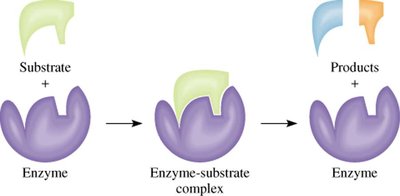
Many biological molecules, such as enzymes and proteins, have highly specific structures that interact only with certain substrates. Toxins may mimic essential molecules, binding to these sites and disrupting normal function.
Enzyme Inhibition: Some toxins block enzyme or protein receptor sites, preventing normal biological activity (e.g., nerve agents).
Protein Denaturation: Some toxins distort or unravel protein structures, impairing their function.
Physical and Chemical Properties of Chemical Warfare Agents
Key Properties Affecting Effectiveness
The effectiveness of a chemical warfare agent depends on its physical and chemical properties, including volatility, vapor pressure, and stability.
Vapor Pressure (VP): The pressure exerted by a vapor in equilibrium with its liquid or solid form; higher VP means greater volatility.
Volatility: Indicates how readily a substance vaporizes; higher volatility means more of the chemical can be present in air at a given temperature.
Persistency: The duration an agent remains active in the environment; influenced by weather conditions and chemical stability.
Classification of Chemical Warfare Agents
Major Classes and Examples
Chemical warfare agents are categorized based on their primary physiological effects:
Choking Agents (Lung): Chlorine, phosgene, diphosgene, chloropicrin
Blood Agents (Cyanogens): Cyanide, cyanogen
Blister Agents (Vesicants): Mustards (HD, HN), lewisite
Nerve Agents: Sarin, tabun, soman, VX, Novichok
Incapacitants: CN, CS, Agent BZ, Kolokol-1
Incendiaries: White phosphorus, napalm, thermite
Choking Agents: Chemistry and Effects
General Properties and Mechanism
Choking agents, also known as pulmonary agents, primarily attack lung tissue, causing pulmonary edema (fluid accumulation in the lungs) and respiratory distress. They are typically gases or volatile liquids that target the respiratory tract.
Symptoms: Irritation, membrane swelling, fluid build-up, suffocation.
Protection: Gas masks can prevent inhalation.
Chlorine (Cl2)
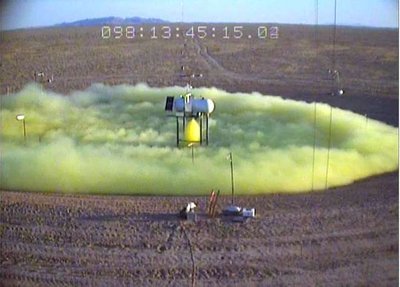
Chlorine was one of the first chemical warfare agents used in World War I. It is a greenish-yellow gas with a pungent odor, produced industrially by the electrolysis of sodium chloride solutions.
Chemical Reaction:
Effects: Causes severe irritation and pulmonary edema.
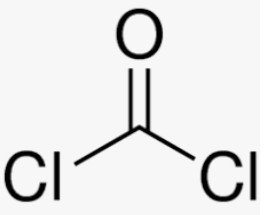
Phosgene (COCl2)
Phosgene is a colorless gas with a musty odor, highly toxic, and responsible for the majority of chemical fatalities in WWI. It hydrolyzes in the lungs to produce hydrochloric acid and carbon dioxide, damaging lung tissue.
Chemical Reaction:
Delayed Symptoms: Effects may not be immediately apparent.
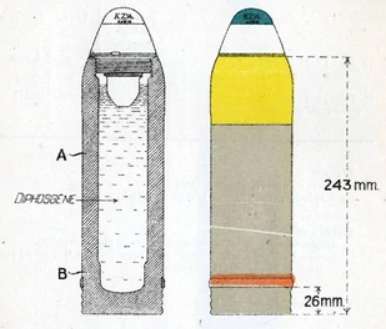
Diphosgene (C2Cl4O2)
Diphosgene is a colorless liquid with similar toxicity to phosgene but is easier to handle due to its liquid state. It hydrolyzes to form phosgene and hydrochloric acid.
Chemical Reaction:
Use: Widely used in WWI by Germany.
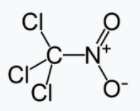
Chloropicrin (CCl3NO2)
Chloropicrin, also known as nitrochloroform, is a colorless liquid used as a chemical weapon and agricultural pesticide. It causes severe irritation and inflammation of the eyes, nose, and respiratory tract.
Chemical Reaction (Hydrolysis):
LD50: 25 mg/kg in mice.
Comparison of Choking Agents
The following table summarizes the physical and chemical properties of common lung-damaging agents:
Property | Phosgene (CG) | Diphosgene (DP) | Chlorine | Chloropicrin (PS) |
|---|---|---|---|---|
Appearance | Colourless gas | Colourless liquid | Greenish-yellow gas | Colourless liquid |
Chemical formula | COCl2 | C2O2Cl4 | Cl2 | CCl3NO2 |
Molecular weight | 98.92 | 197.83 | 70.9 | 164.39 |
Boiling point (°C) | 8.3 | 127.8 | -34.1 | 112.2 |
Vapour density (air=1) | 3.4 | 6.8 | 2.5 | 5.7 |
Volatility (mg/m3, 20°C) | 3,260,000 | 12,000 | 4,110,000 | 165,000 |
Summary
Chemical warfare agents are a critical topic in chemistry due to their historical significance, chemical diversity, and the principles of toxicology they illustrate. Understanding their classification, mechanisms of action, and physical properties provides foundational knowledge for further study in chemistry, toxicology, and public health.
