 Back
BackShort-Run Fluctuations and Business Cycles in Macroeconomics
Study Guide - Smart Notes
 Tailored notes based on your materials, expanded with key definitions, examples, and context.
Short-Run Fluctuations (Business Cycles)
Introduction to Economic Fluctuations
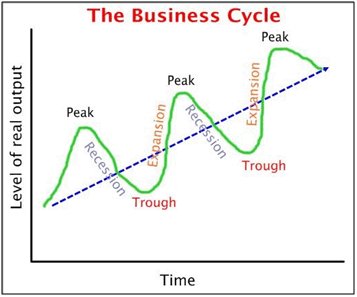
Short-run fluctuations, also known as business cycles, refer to periodic changes in the growth of real GDP. These cycles are characterized by alternating periods of economic expansion and recession, and are a central topic in macroeconomics.
Recession: A period of negative economic growth lasting at least two quarters.
Expansion: A period of positive growth, occurring between recessions.
Business Cycle: The sequence of expansions and recessions over time.
Trend Line: The long-term path of real GDP, used to compare actual output.
Key Properties of Economic Fluctuations
Economic fluctuations exhibit three main properties:
Co-movement: Many macroeconomic variables move together during booms and busts. For example, real consumption, investment, and employment are pro-cyclical, while unemployment is counter-cyclical.
Limited Predictability: The timing of recessions and expansions is difficult to forecast. There is no repetitive, easily predictable pattern.
Persistence: Economic growth or contraction tends to persist from one quarter to the next.
Historical Patterns and Examples
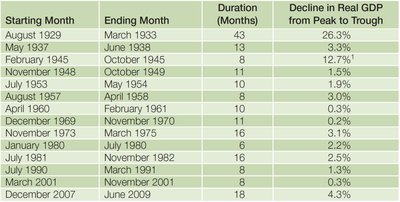
Recessions have occurred about once every six years since 1929, typically lasting about one year. Expansions generally last longer than recessions, but recessions are sharper in terms of GDP decline.
The Great Depression: An Illustrative Case
Co-movement, Limited Predictability, and Persistence
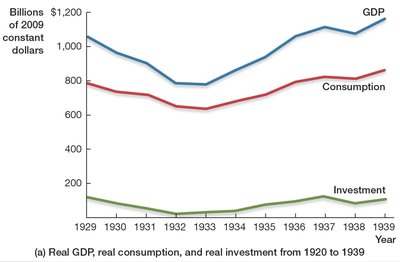
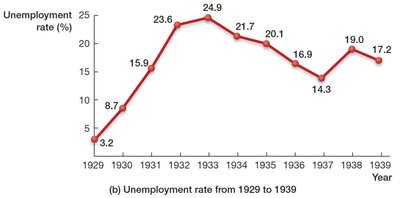
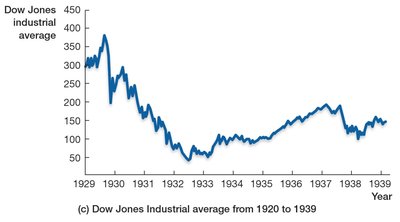
The Great Depression (1929–1933) is a classic example of the three key properties of economic fluctuations. During this period, GDP, consumption, and investment all declined sharply, unemployment soared, and the stock market collapsed.
Co-movement: Multiple economic aggregates moved together.
Limited Predictability: The onset and recovery were not easily forecasted.
Persistence: The downturn lasted several years.
Macroeconomic Equilibrium and Economic Fluctuations
Causes of Economic Fluctuations
Economic fluctuations are often triggered by unexpected shifts in labor demand, known as shocks. These shocks can result from:
A fall in output prices
A decrease in output demand
A decrease in labor productivity
A rise in other input prices
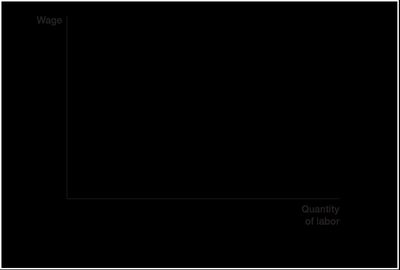
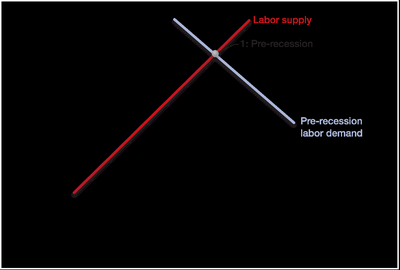
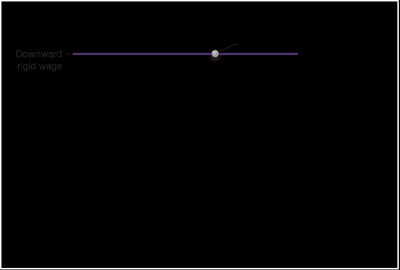
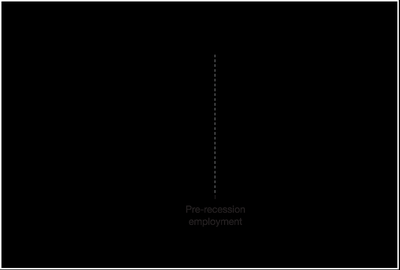
When labor demand shifts left, the wage rate may remain unchanged due to downward wage rigidity, but employment and real GDP decrease.
Okun's Law
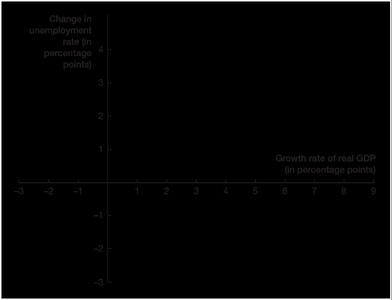
Okun's Law describes the relationship between changes in the unemployment rate and the growth rate of real GDP:
Formula:
Where is the annual growth rate of real GDP.

Schools of Thought on Economic Fluctuations
Three major theories explain the sources of economic fluctuations:
Real Business Cycle Theory: Emphasizes changes in productivity and technology. Supply shocks drive both growth and cycles. No role for government intervention.
Keynesian Theory: Focuses on business and consumer expectations ("animal spirits"). Demand shocks cause recessions and expansions. Government policy can alter the cycle.
Financial and Monetary Theory: (Milton Friedman) Changes in money supply and interest rates affect prices, employment, and investment. Downward wage rigidity amplifies effects.
Multipliers and Downward Wage Rigidity
Multipliers amplify the effects of economic shocks. For example, a negative consumption shock reduces labor demand, and downward wage rigidity prevents wages from falling, leading to further reductions in employment and GDP.
Economic Recovery and Policy Responses
Medium-Run Recovery
Recovery from recession can occur through market forces or government policies:
Market Forces: Inventory rebuilding, renewed household spending, healthier firms purchasing bankrupt firms, technological advances, and financial intermediation.
Government Policies: Expansionary monetary policy (lower interest rates, higher inflation) and fiscal policy (increased government spending, lower taxes) shift labor demand right.
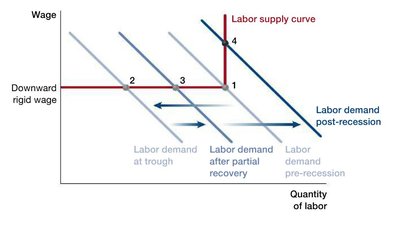
Modeling Expansions
Expectations and Labor Demand
Economic expansions are often driven by optimistic expectations among firms, leading to increased labor demand and higher employment.
The Recession of 2007–2009: Causes and Consequences
Key Factors in the 2007–2009 Recession
The recession was caused by a combination of factors:
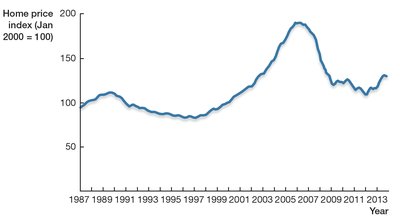
Monetary policy kept interest rates low, fueling a housing bubble.
Financial firms engaged in irresponsible lending to subprime borrowers.
Consumers took on loans they could not afford.
Mortgage-backed securities risks were underestimated.
Bank failures led to a freeze in the financial system.
Three Central Roles in the Crisis
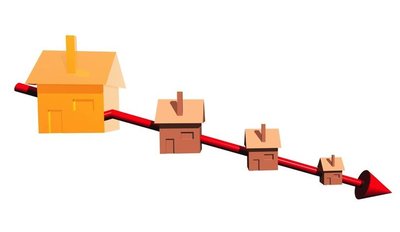
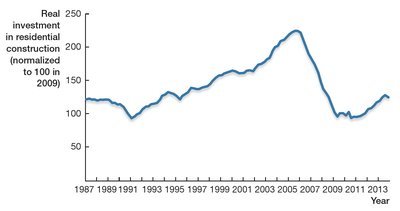
Collapse in Housing Prices: Led to a fall in new construction and household wealth.
Sharp Drop in Consumption: Reduced demand for goods and services.
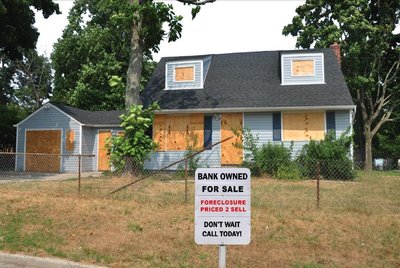
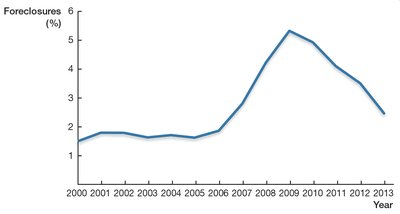
Spiraling Mortgage Defaults: Caused bank failures and financial system freeze.
Summary of Key Ideas
Recessions are periods of falling real GDP lasting at least two quarters.
Economic fluctuations have three key features: co-movement, limited predictability, and persistence.
Fluctuations are caused by technology shocks, changing sentiments, and monetary/financial factors.
Economic shocks are amplified by downward wage rigidity and multipliers.
Economic booms are periods of GDP expansion, increasing employment and reducing unemployment.
The 2007–2009 recession was driven by a collapsing housing bubble, a fall in household wealth, and a financial crisis.
