 Back
BackEndocrine System: Medical Terminology and Clinical Concepts
Study Guide - Smart Notes
 Tailored notes based on your materials, expanded with key definitions, examples, and context.
Endocrinology and the Endocrine System
Definition and Medical Terminology
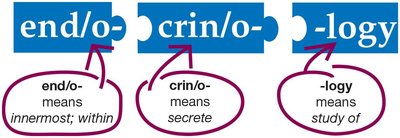
Endocrinology is the medical specialty focused on the study of the endocrine system, its anatomy, physiology, and related diseases. The term is derived from Greek roots:
end/o-: innermost; within
crin/o-: secrete
-logy: study of
The endocrine system consists of glands that secrete hormones directly into the bloodstream, regulating various body functions and maintaining homeostasis.
Overview of Endocrine Glands
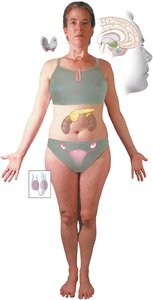
The major endocrine glands include the pituitary, pineal, thyroid, parathyroid, thymus, pancreas, adrenal glands, and the gonads (ovaries and testes). Some glands serve dual roles in other body systems.
Hormones and Their Actions
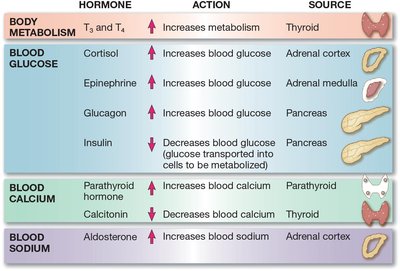
Hormones are chemical messengers that regulate metabolism, blood glucose, calcium, and sodium levels. They may act synergistically (enhancing each other's effects) or antagonistically (opposing effects).
Hormone | Action | Source |
|---|---|---|
T3 and T4 | Increases metabolism | Thyroid |
Cortisol | Increases blood glucose | Adrenal cortex |
Epinephrine | Increases blood glucose | Adrenal medulla |
Glucagon | Increases blood glucose | Pancreas |
Insulin | Decreases blood glucose | Pancreas |
Parathyroid hormone | Increases blood calcium | Parathyroid |
Calcitonin | Decreases blood calcium | Thyroid |
Aldosterone | Increases blood sodium | Adrenal cortex |
Endocrine Glands of the Brain
Hypothalamus, Pituitary, and Pineal Glands
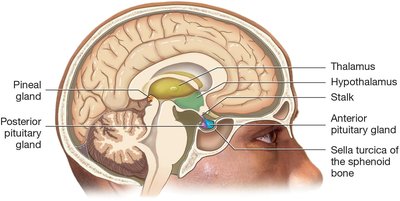
The hypothalamus connects to the pituitary gland via a stalk and regulates its function. The pituitary gland, located in the sella turcica of the sphenoid bone, is known as the "master gland" due to its regulatory role over other endocrine glands. The pineal gland, situated near the posterior thalamus, secretes melatonin to regulate circadian rhythms.
Pituitary Gland Hormones
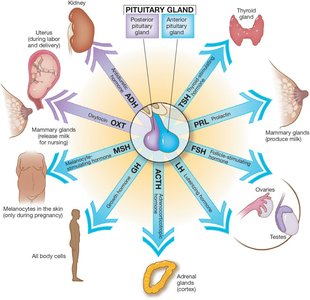
The pituitary gland consists of anterior (adenohypophysis) and posterior (neurohypophysis) lobes. The anterior lobe produces seven hormones, while the posterior lobe stores and releases two hormones made by the hypothalamus.
Diseases of the Pituitary Gland
Anterior Pituitary Disorders
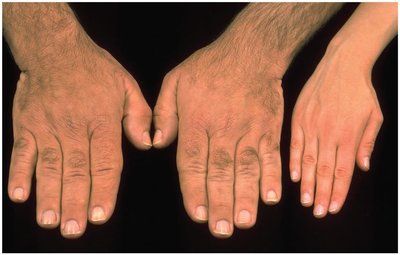
Acromegaly: Hypersecretion of growth hormone in adults causes enlargement of extremities and facial features.
Dwarfism: Hyposecretion of growth hormone in children leads to short stature with normal proportions.
Gigantism: Hypersecretion of growth hormone in children results in excessive growth of bones and tissues.
Galactorrhea: Hypersecretion of prolactin causes inappropriate milk production.
Hyperpituitarism/Hypopituitarism: Over- or under-secretion of one or more pituitary hormones, often due to adenoma or injury.

Posterior Pituitary Disorders
Diabetes insipidus (DI): Hyposecretion of ADH leads to excessive urination and thirst.
SIADH: Hypersecretion of ADH causes water retention and low blood sodium.
Pineal Gland and Related Disorders
Melatonin and Circadian Rhythm
The pineal gland secretes melatonin, which regulates sleep-wake cycles. Disorders include:
Seasonal Affective Disorder (SAD): Excess melatonin and low serotonin during winter months cause depression and fatigue. Treated with phototherapy and antidepressants.
Thyroid and Parathyroid Glands
Anatomy and Hormones
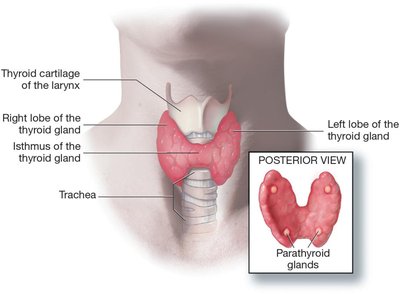
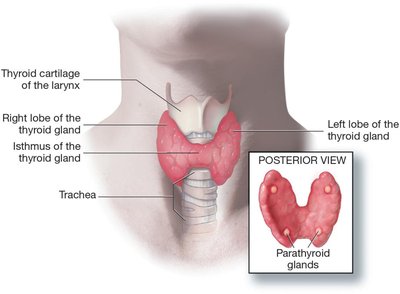
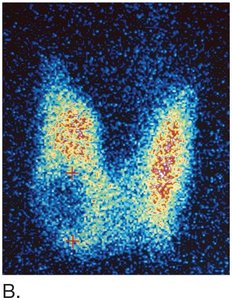
The thyroid gland, located in the anterior neck, produces T3, T4, and calcitonin. The parathyroid glands, embedded in the posterior thyroid, secrete parathyroid hormone (PTH) to regulate calcium.
Thyroid Disorders
Hyperthyroidism: Excess T3 and T4 cause weight loss, tachycardia, and nervousness. Graves disease is a common cause.
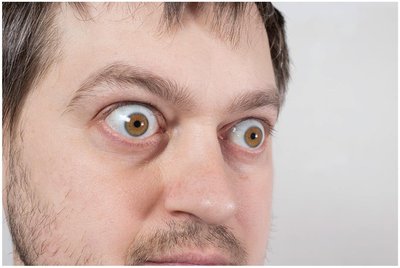
Exophthalmos: Protrusion of the eyeballs, often seen in severe hyperthyroidism.
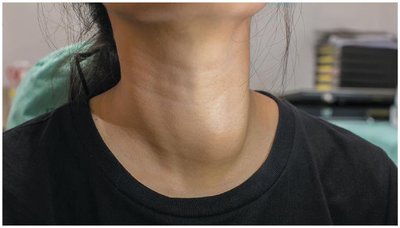
Goiter: Enlargement of the thyroid gland due to various causes, including iodine deficiency.
Hypothyroidism: Deficiency of thyroid hormones leads to fatigue, weight gain, and myxedema.
Thyroid carcinoma: Malignant tumor of the thyroid gland.
Parathyroid Disorders
Hyperparathyroidism: Excess PTH causes hypercalcemia and bone fragility.
Hypoparathyroidism: Deficient PTH leads to hypocalcemia, muscle cramps, and spasms.
Pancreas and Glucose Regulation
Hormones of the Pancreas
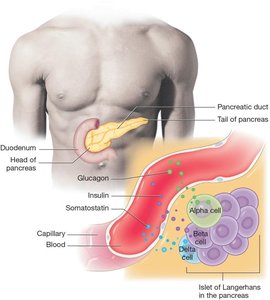
The pancreas contains islets of Langerhans, which secrete glucagon (raises blood glucose), insulin (lowers blood glucose), and somatostatin (inhibits both).
Diabetes Mellitus (DM)
Type 1 DM: Autoimmune destruction of beta cells; requires insulin therapy.
Type 1.5 DM (LADA): Adult-onset autoimmune diabetes with partial insulin deficiency.
Type 2 DM: Insulin resistance, often associated with obesity; managed with oral drugs and sometimes insulin.
Diabetic ketoacidosis (DKA): Life-threatening complication with high ketones and acidosis.
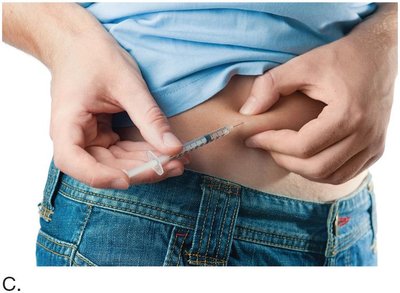
Complications of Diabetes Mellitus
Diabetic neuropathy: Nerve damage causing abnormal sensation.
Diabetic nephropathy: Kidney damage due to high glucose and ketones.
Diabetic retinopathy: Retinal damage and fragile blood vessels.
Atherosclerosis: Accelerated plaque formation in arteries.
Impotence and foot injuries: Due to nerve and vascular damage.
Other Pancreatic Disorders
Hyperinsulinism: Excess insulin causes hypoglycemia.
Insulin resistance syndrome (IRS): Cells resist insulin, leading to high blood glucose and eventual DM.
Adrenal Glands
Anatomy and Hormones
The adrenal cortex produces mineralocorticoids (aldosterone), glucocorticoids (cortisol), and androgens. The adrenal medulla secretes epinephrine, norepinephrine, and dopamine.
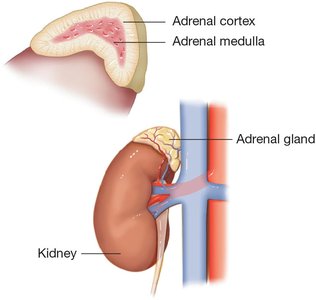
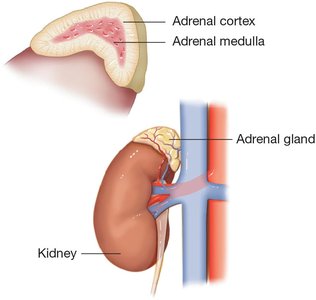
Adrenal Cortex Disorders
Hyperaldosteronism: Excess aldosterone causes hypertension and electrolyte imbalance.
Hypoaldosteronism: Deficiency leads to low sodium and hypotension.
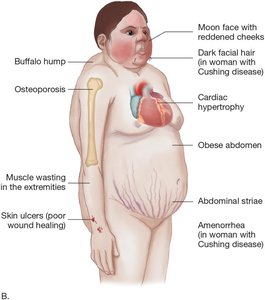
Cushing syndrome: Excess cortisol causes obesity, muscle wasting, and characteristic fat distribution.
Addison disease: Deficiency of cortisol leads to fatigue, weight loss, and bronzed skin.
Adrenogenital syndrome: Excess androgens cause masculinization in females and precocious puberty in boys.
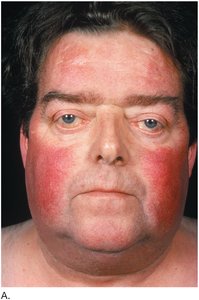
Adrenal Medulla Disorders
Pheochromocytoma: Tumor causing excess epinephrine/norepinephrine, leading to hypertension and palpitations.
Diagnostic Tests and Procedures
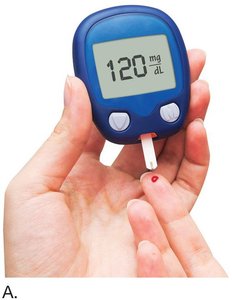
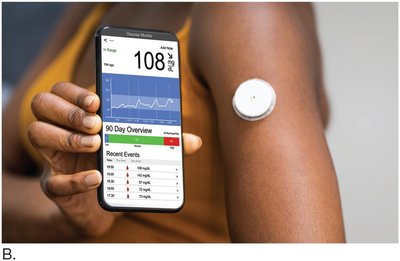
Blood tests: Measure hormone levels (e.g., GH, TSH, T3, T4, cortisol, glucose, calcium).
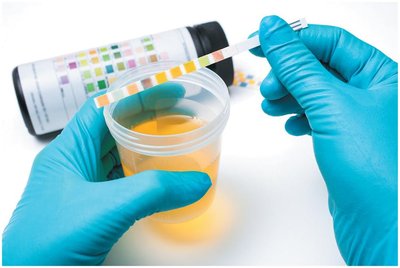
Urine tests: Assess hormone metabolites (e.g., VMA for adrenal medulla function, urine dipstick for glucose/ketones).
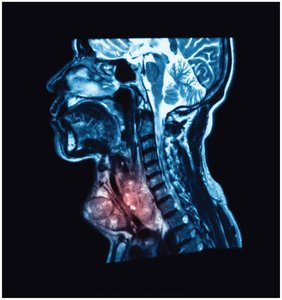
Imaging: MRI, ultrasound, and radioactive iodine uptake scans for gland structure and function.
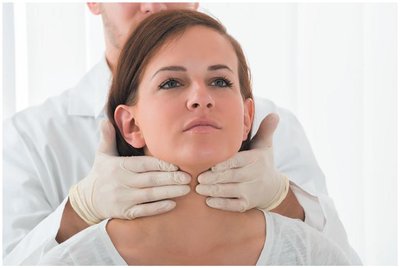
Physical examination: Palpation of the thyroid for goiter or nodules.
Common Medical and Surgical Treatments
Drug therapy: Includes hormone replacement, antithyroid drugs, corticosteroids, and antidiabetic agents.
Surgical procedures: Thyroidectomy, parathyroidectomy, adrenalectomy, transsphenoidal hypophysectomy, and thymectomy for various endocrine disorders.
Abbreviations in Endocrinology
Common abbreviations include:
ACTH: adrenocorticotropic hormone
ADH: antidiuretic hormone
DM: diabetes mellitus
GH: growth hormone
TSH: thyroid-stimulating hormone
TFTs: thyroid function tests
VMA: vanillylmandelic acid
