 Back
BackSOWK 6593 Medical Terminology & Psychopharmacology: Course Syllabus Study Guide
Study Guide - Smart Notes
 Tailored notes based on your materials, expanded with key definitions, examples, and context.
Course Overview
Introduction to Medical Terminology and Psychopharmacology
This course provides social work graduate students with foundational knowledge in medical terminology and psychopharmacology. The curriculum is designed to enhance interdisciplinary collaboration, understanding of medical charting, and awareness of psychoactive drugs and their effects. The course integrates medical terminology relevant to clinical practice and explores the physical and mental impacts of psychoactive substances, including treatment and prevention strategies.

Course Structure and Goals
Learning Objectives
Medical Terminology: Develop proficiency in medical word construction, charting, and communication within medical teams.
Psychopharmacology: Understand the effects, uses, and risks of psychoactive drugs, including prescribed medications for mental health.
Social Work Competencies: Apply ethical, professional, and justice-oriented practices in medical and clinical settings.
Required Textbooks and Materials
Core Resources
Medical Terminology Get Connected! by Suzanne Frucht (Pearson Education, 2019) – Focuses on word parts, construction, and system-based terminology.

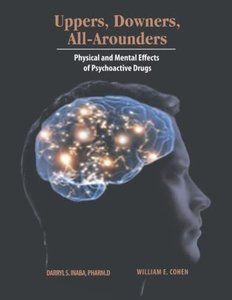
Uppers, Downers, All-Arounders: Physical and Mental Effects of Psychoactive Drugs (Roska, 2022) – Covers neurochemistry, drug classification, and effects.
Social Work Practice and Psychopharmacology: A Person-in-Environment Approach (Dziegielewski & Jacinto, 2016) – Integrates psychopharmacology with social work practice.

The Ryan White Story (Movie) – Explores social justice and policy implications in medical contexts.

Recovery Boys (Documentary) – Examines substance use disorder (SUD) treatment and rural health perspectives.

Course Modules and Weekly Topics
Medical Terminology Focus
Ch. 1: Introduction to Word Parts and Word Construction – Understanding roots, prefixes, and suffixes.
Ch. 2: Understanding Suffixes – Identifying and applying suffixes in medical terms.
Ch. 3: Understanding Prefixes – Recognizing prefixes and their meanings.
Ch. 4: The Human Body in Health and Disease – Overview of body systems and terminology.
Ch. 5: The Integumentary System – Skin, hair, nails, and associated terminology.
Ch. 6: The Skeletal and Muscular Systems – Bones, muscles, and related terms.
Ch. 7: Blood, the Lymphatic System, and Immunology – Blood components, immune response, and terminology.
Ch. 8: The Cardiovascular System – Heart, vessels, and circulatory terms.
Ch. 9: The Respiratory System – Lungs, airways, and respiratory terminology.
Ch. 10: The Digestive System – GI tract and related terms.
Ch. 11: The Urinary System – Kidneys, bladder, and urinary terminology.
Ch. 12: Reproductive System and Obstetrics – Reproductive organs and obstetric terms.
Ch. 13: The Nervous System and Mental Health – Brain, nerves, and mental health terminology.
Ch. 14: The Special Senses of Sight and Hearing – Eye, ear, and sensory terms.
Ch. 15: The Endocrine System – Hormones and endocrine terminology.
Psychopharmacology Focus
Neurochemistry and Physiology: Study of how drugs affect the brain and body.
Drug Classifications: Uppers (stimulants), Downers (depressants), Synthetics, and All-Arounders.
Drug Use, Prevention, and Treatment: Strategies for addressing substance use disorders.
Co-occurring Disorders: Understanding dual diagnoses and integrated treatment approaches.
Assignments and Evaluation
Types of Activities
Pearson Lab Assignments: Interactive exercises to reinforce medical terminology.
Discussion Boards: Weekly online discussions to apply terminology and reflect on social work practice.
Reflection Papers: Written reflections on course readings, movies, and documentaries.
Quizzes: Chapter-based assessments on medical terminology and psychopharmacology.
Midterm and Final Exams: Comprehensive evaluations of course content.
Grading Breakdown
Activity Type | Weight |
|---|---|
Quizzes/Pearson Lab Assignments | 20% |
Discussion Boards | 20% |
Case Conceptualization | 20% |
Reflection Papers | 20% |
Midterm/Final Exam | 20% |
Academic and Professional Expectations
Ethics, Integrity, and Confidentiality
Academic Integrity: Adherence to university policies regarding honesty and use of AI.
Professional Conduct: Compliance with NASW Code of Ethics and university standards.
Confidentiality: Respect for privacy in classroom and online discussions, with exceptions for mandatory reporting.
Support and Resources
Student Assistance
Center for Academic Success and Advising (CASA): Offers tutoring, study skills, and disability accommodations.
Title IX and Disability Services: Support for pregnant students and those with disabilities.
Summary Table: Weekly Topics and Chapters
Week | Medical Terminology Chapters | Psychopharmacology Topics |
|---|---|---|
1 | Ch. 1: Introduction to Medical Terminology | Course overview, interdisciplinary teams |
2 | Ch. 5, 6, 8, 9: Integumentary, Musculoskeletal, Blood, Immune | Ryan White Story reflection |
3 | Ch. 7, 10, 14, 15: Cardiovascular, Respiratory, Nervous, Endocrine | Lecture, case conceptualization |
4-8 | Ch. 2, 3, 4, 11, 12, 13: Suffixes, Prefixes, Health/Disease, Urinary, Reproductive, Mental Health | Drug classifications, treatment, Recovery Boys reflection |
Conclusion
This syllabus outlines a comprehensive approach to medical terminology and psychopharmacology for social work students. The course integrates textbook readings, multimedia resources, and reflective assignments to build practical skills and ethical awareness for interdisciplinary practice in medical and clinical settings.
