 Back
BackSOWK 6593: Medical Terminology/Pharmacology – Course Syllabus and Study Guide
Study Guide - Smart Notes
 Tailored notes based on your materials, expanded with key definitions, examples, and context.
Course Overview
This course, SOWK 6593: Medical Terminology/Pharmacology, is designed for graduate social work students to develop foundational knowledge in medical terminology and pharmacology, with a focus on practical application in clinical and medical settings. The course integrates the study of medical word construction, body systems, and psychoactive drugs, preparing students for interdisciplinary collaboration and effective communication in healthcare environments.

Course Structure and Main Topics
Medical Terminology: Introduction to medical word parts, construction, and terminology relevant to body systems and clinical practice.
Pharmacology: Overview of psychoactive drugs, their effects, uses, and implications for mental and physical health.
Application in Social Work: Emphasis on interdisciplinary teamwork, ethical practice, and social justice in medical settings.
Required Textbooks and Materials
Medical Terminology Get Connected! by Suzanne Frucht (3rd Edition, Pearson Education, 2019)
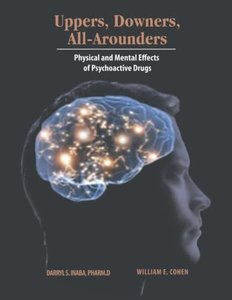
Uppers, Downers, All-Arounders: Physical and Mental Effects of Psychoactive Drugs by Roska (8th Edition, 2022)
Social Work Practice and Psychopharmacology: A Person-in-Environment Approach by Sophia Dziegielewski & George Jacinto (3rd Edition, Springer, 2016)
The Ryan White Story (Movie, Netflix)
Recovery Boys (Documentary, Netflix/Prime Video)




Course Goals
Develop familiarity with medical terms for effective collaboration with medical agencies.
Understand medical chart characteristics and interdisciplinary teamwork.
Gain foundational knowledge of psychoactive drugs and their effects.
Comprehend prescribed psychoactive medications for mental health and their risks, especially for vulnerable adults.
Key Medical Terminology Topics (Aligned with Standard Medical Terminology Chapters)
Introduction to Medical Terminology
This section introduces the structure and function of medical terms, focusing on word parts such as prefixes, suffixes, and root words. Understanding these components is essential for interpreting and constructing medical vocabulary used in clinical documentation and communication.
Word Roots: The core part of a medical term, indicating the primary meaning (e.g., cardi for heart).
Prefixes: Added to the beginning of a word to modify its meaning (e.g., hyper- means excessive).
Suffixes: Added to the end of a word to indicate a procedure, condition, or disease (e.g., -itis means inflammation).
Combining Forms: Word roots combined with a vowel to aid pronunciation (e.g., oste/o for bone).
Example: Cardiology = cardi (heart) + o (combining vowel) + logy (study of) = study of the heart.
Understanding Suffixes and Prefixes
Suffixes and prefixes are essential for modifying the meaning of medical terms. Mastery of these elements allows for accurate interpretation of clinical language.
Common Suffixes: -itis (inflammation), -ectomy (removal), -ology (study of)
Common Prefixes: hypo- (below), brady- (slow), tachy- (fast)
Example: Hypoglycemia = hypo- (low) + glyc (sugar) + emia (blood condition) = low blood sugar condition.
The Human Body in Health and Disease
This topic covers anatomical terminology, body systems, and the language used to describe health and disease states. Understanding these terms is crucial for effective communication in healthcare settings.
Anatomical Position and Directions: Terms such as anterior, posterior, superior, inferior, proximal, and distal.
Body Systems: Integumentary, skeletal, muscular, cardiovascular, respiratory, digestive, urinary, reproductive, nervous, endocrine, lymphatic, and immune systems.
Example: Dermatitis = dermat (skin) + itis (inflammation) = inflammation of the skin.
Medical Terminology by Body System
The course syllabus aligns with the study of medical terminology as it applies to specific body systems, including:
Integumentary System (skin, hair, nails)
Skeletal and Muscular Systems (bones, muscles, joints)
Blood, Lymphatic, and Immune Systems
Cardiovascular System (heart, blood vessels)
Respiratory System (lungs, airways)
Digestive System (stomach, intestines)
Urinary System (kidneys, bladder)
Reproductive System and Obstetrics
Nervous System and Mental Health
Special Senses (Sight and Hearing)
Endocrine System (hormones, glands)
Pharmacology and Psychoactive Drugs
Overview of Psychoactive Drugs
This section introduces the classification, effects, and risks of psychoactive drugs, including "uppers," "downers," and "all-arounders." Students learn about neurochemistry, drug use, prevention, treatment, and co-occurring disorders.
Drug Classifications: Stimulants (uppers), depressants (downers), hallucinogens (all-arounders), and synthetics.
Effects on the Body: Physical and mental health impacts, including addiction and withdrawal.
Example: Antidepressants are prescribed to manage depression by altering neurotransmitter levels in the brain.
Prescribed Psychoactive Medications
Students gain a basic understanding of commonly prescribed psychoactive medications for mental health, their therapeutic uses, and associated risks, especially for vulnerable populations.
Common Medications: Antidepressants, antipsychotics, anxiolytics, mood stabilizers.
Risks: Side effects, drug interactions, and considerations for vulnerable adults.
Example: SSRIs (Selective Serotonin Reuptake Inhibitors) are commonly used to treat depression and anxiety disorders.
Course Activities and Assessment
Pearson Lab Assignments: Interactive activities to reinforce medical terminology and system knowledge.
Discussion Boards: Weekly online discussions to apply terminology and reflect on clinical and social work scenarios.
Written Reflections: Assignments based on course readings and films, focusing on social justice, policy, and advocacy.
Quizzes and Exams: Assess understanding of medical terminology, pharmacology, and their application in social work.
Grading and Evaluation
Activity Type | Weight |
|---|---|
Quizzes/Pearson Lab Assignments | 20% |
Discussion Boards | 20% |
Case Conceptualization | 20% |
Reflection Papers | 20% |
Midterm/Final Exam | 20% |
Academic Integrity and Policies
Adherence to university standards for academic honesty, participation, and professional conduct is required.
Confidentiality in classroom and online discussions is emphasized, with exceptions for mandatory reporting.
Students must maintain a minimum grade of B- (80%) to pass the course.
Support and Resources
Access to academic support, disability services, and university resources is available to all students.
Students are encouraged to seek help from faculty, the Center for Academic Success and Advising (CASA), and university support services as needed.
Conclusion
This course provides a comprehensive foundation in medical terminology and pharmacology for social work students, emphasizing interdisciplinary collaboration, ethical practice, and the integration of medical knowledge into social work practice. Mastery of medical language and understanding of psychoactive drugs are essential for effective advocacy and service in healthcare settings.
