Name six factors that facilitate the production of disease by Bordetella pertussis.
Verified step by step guidance
1
Understand that Bordetella pertussis is the bacterium responsible for whooping cough, and its ability to cause disease depends on several virulence factors and conditions that facilitate infection and damage.
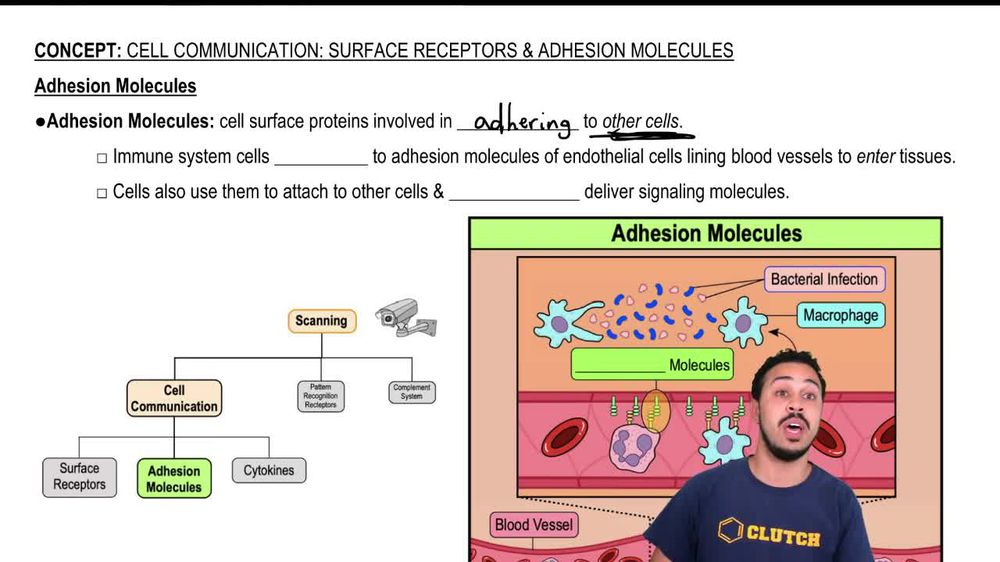
Identify key bacterial components and mechanisms that contribute to its pathogenicity, such as adhesins that allow the bacteria to attach to respiratory epithelial cells.
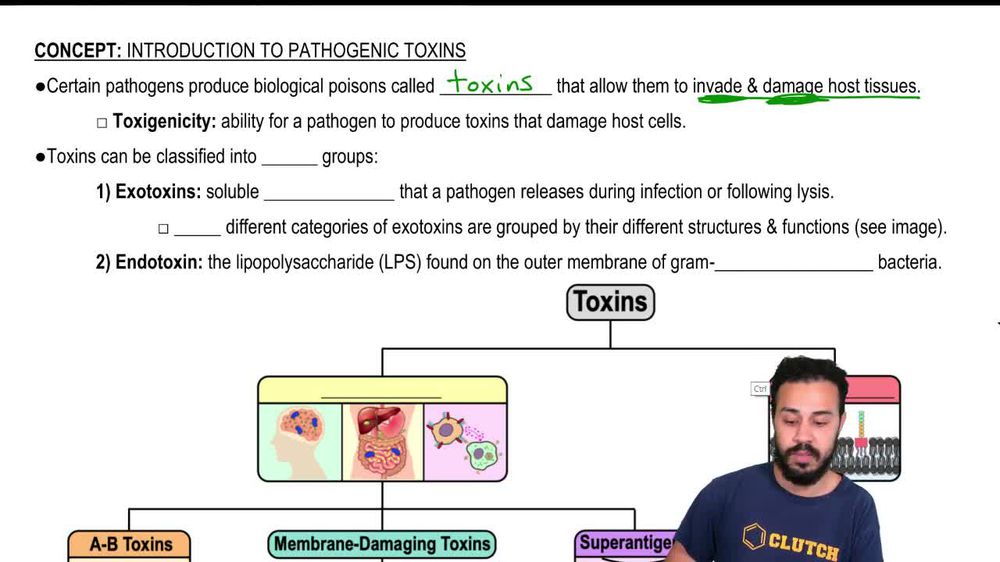
Consider toxins produced by Bordetella pertussis, like pertussis toxin, which interfere with host immune responses and cellular functions.
Include factors like tracheal cytotoxin, which damages ciliated epithelial cells in the respiratory tract, impairing mucociliary clearance.
Also recognize the role of filamentous hemagglutinin and fimbriae in promoting colonization, as well as the ability of the bacterium to evade the immune system through mechanisms like inhibition of phagocytosis.
Verified video answer for a similar problem:
This video solution was recommended by our tutors as helpful for the problem above
Video duration:
2m
Play a video:
0 Comments
Key Concepts
Here are the essential concepts you must grasp in order to answer the question correctly.
Virulence Factors of Bordetella pertussis
Virulence factors are molecules produced by pathogens like Bordetella pertussis that enable them to infect the host, evade the immune system, and cause disease. Key factors include adhesins, toxins, and enzymes that damage host tissues or disrupt immune responses.
Adhesion mechanisms allow Bordetella pertussis to attach to the respiratory epithelium, a critical step for colonization. Structures like filamentous hemagglutinin and fimbriae help the bacteria bind tightly to host cells, facilitating infection and persistence.
Bordetella pertussis produces several toxins, such as pertussis toxin and tracheal cytotoxin, which disrupt normal cellular functions and immune responses. These toxins contribute to symptoms by damaging respiratory tissues and impairing host defenses.