Label the general phases in the carbon cycle. <IMAGE>
Verified step by step guidance
1
Identify the main reservoirs of carbon in the cycle, such as the atmosphere, plants, animals, soil, oceans, and fossil fuels.
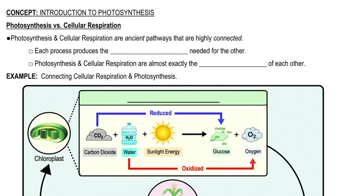
Label the process of photosynthesis, where plants take in carbon dioxide (CO2) from the atmosphere and convert it into organic matter.
Mark respiration, where animals and plants release CO2 back into the atmosphere by breaking down organic molecules for energy.
Indicate decomposition, where decomposers break down dead organisms, releasing carbon into the soil and atmosphere.
Show carbon transfer through processes like combustion of fossil fuels and sedimentation, which move carbon between reservoirs.
Verified video answer for a similar problem:
This video solution was recommended by our tutors as helpful for the problem above
Video duration:
2m
Play a video:
0 Comments
Key Concepts
Here are the essential concepts you must grasp in order to answer the question correctly.
Carbon Cycle Overview
The carbon cycle describes the movement of carbon through the Earth's atmosphere, biosphere, hydrosphere, and lithosphere. It involves processes like photosynthesis, respiration, decomposition, and combustion, which transfer carbon between living organisms and the environment.
Photosynthesis is the process by which plants and other autotrophs convert atmospheric CO2 into organic compounds using sunlight. Respiration is the reverse process where organisms break down these compounds to release energy, returning CO2 back to the atmosphere.
Decomposition breaks down dead organic matter, releasing carbon back into the soil and atmosphere. Some carbon is stored long-term in fossil fuels and sediments, which can be released through combustion or geological activity, completing the cycle.