
Normally a commensal in the human intestine, this bacterium became pathogenic after acquiring a toxin gene from a Shigella bacterium.
Verified step by step guidance
1
Identify the bacterium described: It is normally a commensal in the human intestine but became pathogenic after acquiring a toxin gene from Shigella.
Recall that Shigella produces Shiga toxin, a potent cytotoxin responsible for severe disease symptoms.
Understand that the bacterium which acquired the Shiga toxin gene from Shigella is Escherichia coli, specifically the enterohemorrhagic E. coli (EHEC) strains.
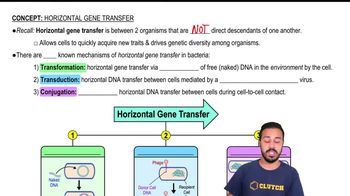
Recognize that this gene transfer occurs via horizontal gene transfer mechanisms such as bacteriophage transduction.
Summarize that the bacterium in question is Escherichia coli that became pathogenic by acquiring the Shiga toxin gene, leading to diseases like hemorrhagic colitis and hemolytic uremic syndrome.
Verified video answer for a similar problem:
This video solution was recommended by our tutors as helpful for the problem above
Video duration:
3m
Play a video:
0 Comments
Key Concepts
Here are the essential concepts you must grasp in order to answer the question correctly.
Commensal Bacteria
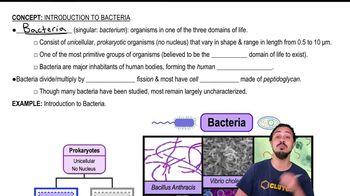
Commensal bacteria are microorganisms that normally live harmlessly within the human body, such as in the intestine, without causing disease. They often contribute to normal physiological functions like digestion and immune system modulation.
Horizontal gene transfer is the movement of genetic material between organisms other than by descent. In bacteria, this process can spread genes, such as toxin genes, enabling non-pathogenic strains to acquire new traits and become pathogenic.
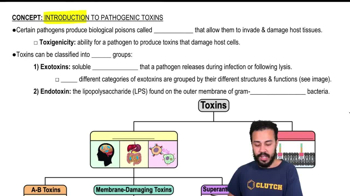
Bacterial toxins are molecules produced by bacteria that can damage host tissues and cause disease. Acquisition of toxin genes, like those from Shigella, can transform a normally harmless bacterium into a pathogen capable of causing illness.