 Back
BackBiochemistry Basics: Atoms, Molecules, and Biological Macromolecules
Study Guide - Smart Notes
 Tailored notes based on your materials, expanded with key definitions, examples, and context.
Chapter 2: Biochemistry Basics
Chemical Building Blocks
This section introduces the fundamental units of matter and their relevance to biological systems. Understanding atoms, elements, ions, and isotopes is essential for grasping the chemical basis of life.
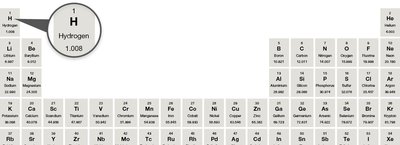
Atom: The smallest chemical unit of matter, composed of subatomic particles: protons (positive charge), neutrons (neutral), and electrons (negative charge).
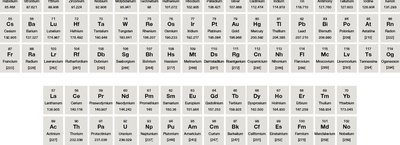
Element: A type of atom with a characteristic structure and predictable chemical behavior.
Atomic Number: The number of protons in an atom’s nucleus, determining the element’s identity.
Atomic Mass: The sum of protons and neutrons in the atom.
Ions: Charged atoms with unequal numbers of protons and electrons.
Cations: Positive charge due to loss of electrons.
Anions: Negative charge due to gain of electrons.
Isotopes
Isotopes are atoms of the same element with different numbers of neutrons. They are important in medicine for diagnostic and therapeutic purposes.
Stable Isotopes: Do not decay.
Radioactive Isotopes: Decay over time, releasing energy.
Molecules, Compounds, and Isomers
Molecules are formed by bonding two or more atoms. Compounds are molecules made of more than one element. Isomers have the same molecular formula but different structures.
Molecular Formula: Indicates the numbers and ratios of elements in a molecule.
Example: C6H12O6 (glucose, fructose, galactose).
Organic vs. Inorganic Molecules
Organic molecules contain both carbon and hydrogen, while inorganic molecules may contain one or neither.
Organic Examples: CH4, C6H12O6
Inorganic Examples: CO2, H2O, NaCl
Functional Groups: Groups of atoms with specific chemical properties that participate in reactions.
Solutions and Concentration
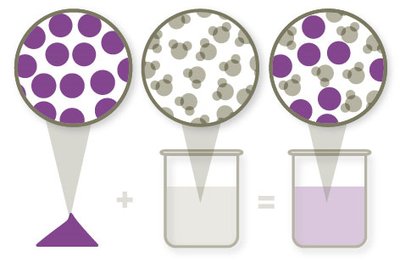
The concentration of a solution is determined by the amount of solute dissolved in a specific volume of solvent.
Solute: The substance dissolved.
Solvent: The substance doing the dissolving (usually water).
Acids, Bases, and Salts
Acids, bases, and salts are important for maintaining pH and ionic balance in biological systems.
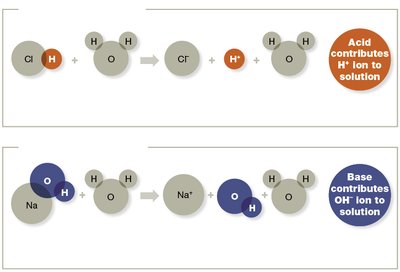
Acids: Add hydrogen ions (H+) to a solution.
Bases: Add hydroxide ions (OH−) to a solution.
Salt: Formed from the reaction of an acid and a base.
pH: A Measure of Acidity
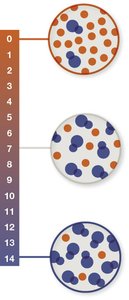
pH is a scale that measures the acidity or basicity of a solution, determined by the concentration of H+ and OH− ions.
pH Scale: Ranges from 0 (most acidic) to 14 (most basic).
Buffers: Compounds that stabilize pH by absorbing or releasing H+ ions.
pH Indicators
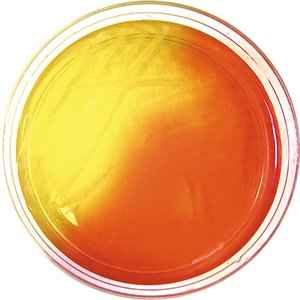
pH indicators are used in laboratory media to observe acidic, neutral, or basic by-products.
Example: Phenol red changes color depending on pH.
Chapter 2B: Chemical Bonds
Valence Electrons and Bonding
Valence electrons are the outermost electrons and determine how atoms bond with each other.
Covalent Bonds: Formed by sharing valence electrons.
Ionic Bonds and Electrolytes
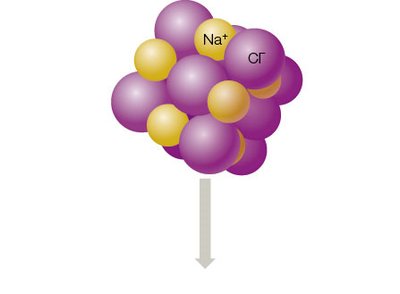
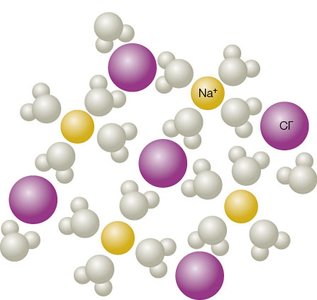
Ionic bonds are electrostatic attractions between oppositely charged ions. When ionic compounds dissolve, the free ions are called electrolytes, which are essential for biological functions.
Covalent Bonds
Covalent bonds involve the sharing of electron pairs between atoms. They can be single, double, or triple bonds depending on the number of shared pairs.
Polar Covalent Bonds
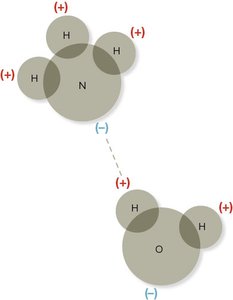
Polar covalent bonds result from unequal sharing of electrons, creating partial charges (dipoles) within the molecule.
Noncovalent Interactions: Hydrogen Bonds and Van der Waals
Hydrogen bonds are weak attractions between molecules or within large molecules, often involving hydrogen and electronegative atoms. Van der Waals interactions are weak, transient dipole attractions.
Hydrophilic, Hydrophobic, and Amphipathic Substances
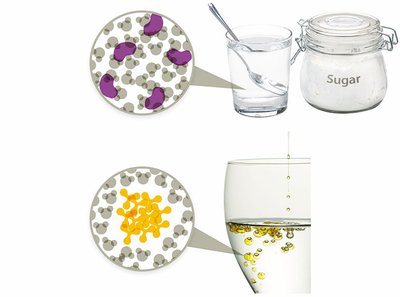
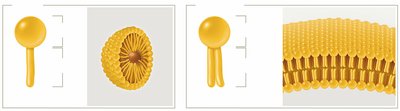
Hydrophilic substances dissolve readily in water, while hydrophobic substances do not. Amphipathic molecules have both properties and are crucial for micelle and membrane formation.
Chapter 2C: Chemical Reactions
Chemical Reactions: Reactants, Products, and Catalysts
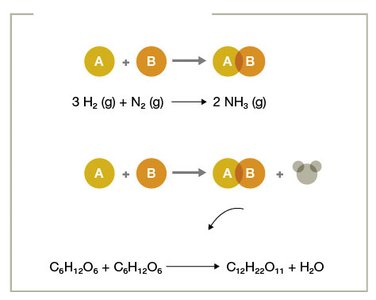
Chemical reactions involve making or breaking chemical bonds. Reactants are the starting materials, products are the resulting substances, and catalysts speed up reactions.
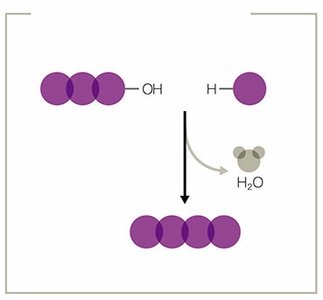
Synthesis Reactions
Synthesis reactions build substances by combining reactants. Dehydration synthesis releases water as a by-product.
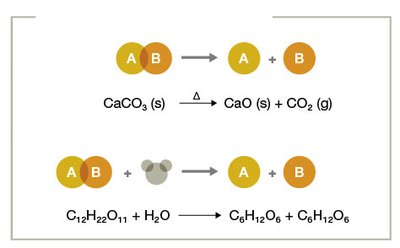
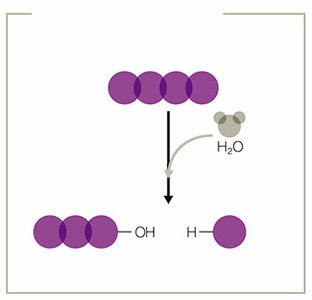
Decomposition Reactions
Decomposition reactions break substances into simpler components. Hydrolysis adds water to break covalent bonds.
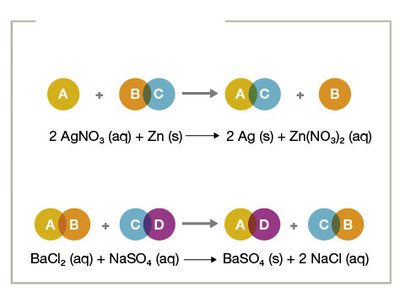
Exchange Reactions
Exchange reactions swap components between compounds, including single and double exchanges.
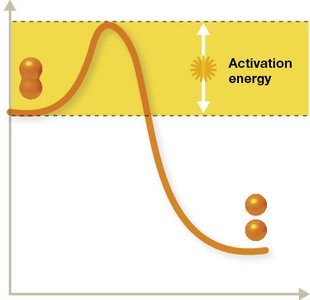
Activation Energy
Activation energy is the minimum energy required to initiate a reaction. Catalysts lower activation energy, making reactions more efficient.
Endergonic, Exergonic, and Reversible Reactions
Exergonic reactions release more energy than they consume, while endergonic reactions require more energy than they release. Some reactions are reversible and reach equilibrium when forward and reverse rates are equal.
Chapter 2D: Biological Macromolecules
Carbohydrates
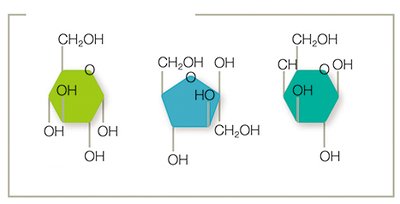
Carbohydrates are essential biomolecules with the general formula (CH2O)n. They serve as energy sources, structural components, and facilitate cellular communication.
Monosaccharides: Simple sugars (e.g., glucose, fructose, galactose).
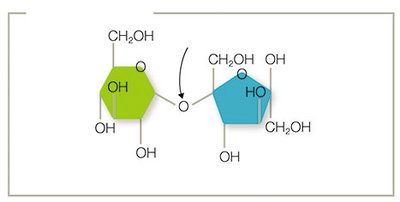
Disaccharides: Two monosaccharides linked by a glycosidic bond (e.g., sucrose).
Polysaccharides: Many monosaccharides linked together (e.g., cellulose, chitin, peptidoglycan).
Lipids
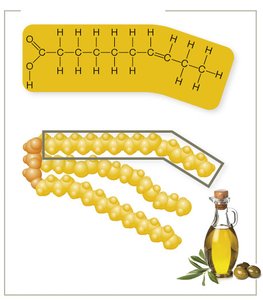
Lipids include fats, oils, waxes, and steroids. They are hydrophobic or amphipathic and serve as energy sources, structural components, and signaling molecules.
Saturated Lipids: Lack double bonds; solid at room temperature.
Unsaturated Lipids: Contain double bonds; liquid at room temperature.
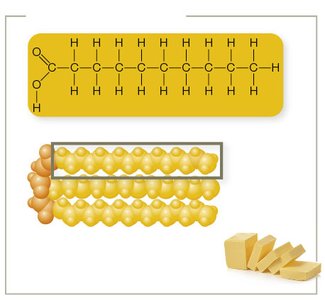
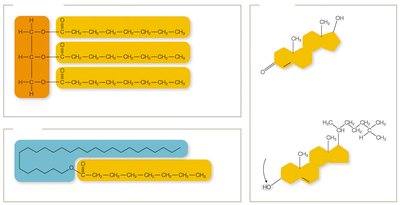
Triglycerides: Glycerol + 3 fatty acids.
Waxes: Fatty acids linked to long-chain alcohol.
Steroids: Four fused hydrocarbon rings; sterols have an alcohol group (e.g., cholesterol).
Nucleic Acids
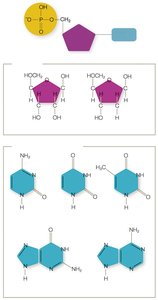
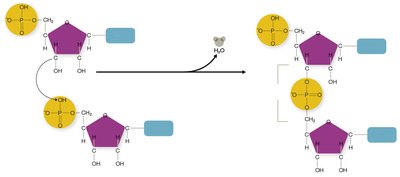
Nucleic acids (DNA and RNA) are polymers of nucleotides. DNA contains deoxyribonucleotides, while RNA contains ribonucleotides. Both are connected by phosphodiester bonds.
DNA Bases: Adenine, guanine, cytosine, thymine.
RNA Bases: Adenine, guanine, cytosine, uracil.
Proteins
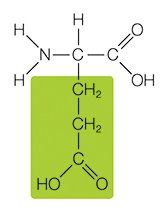
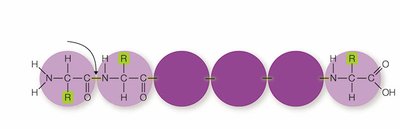
Proteins are polymers of amino acids linked by peptide bonds. They serve as structural scaffolds, enzymes, transporters, and facilitate cell recognition and communication.
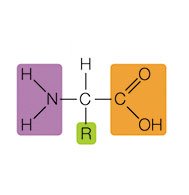
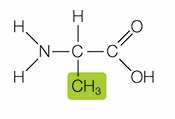
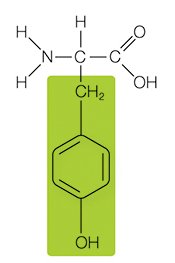
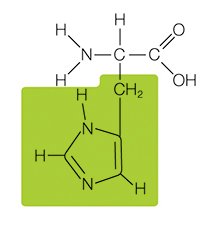
Amino Acid Structure: Amine group, carboxyl group, and variable R group.
Peptide Bonds: Link amino acids in polypeptide chains.
Protein Structure Levels
Primary Structure: Linear sequence of amino acids.
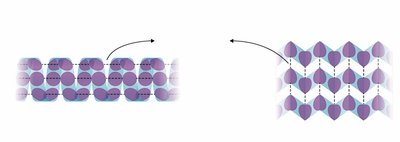
Secondary Structure: Alpha-helices and beta-pleated sheets stabilized by hydrogen bonds.
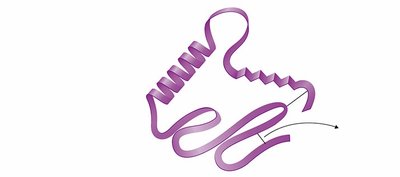
Tertiary Structure: Overall 3D structure of a single polypeptide, stabilized by noncovalent and covalent interactions.
Quaternary Structure: Combination of two or more polypeptide chains.

Example: Hemoglobin is a protein with quaternary structure, composed of multiple polypeptide chains.
Additional info: Chaperone proteins assist in proper protein folding, preventing misfolding and aggregation, which is crucial for cellular function.
