 Back
BackCharacterizing and Classifying Eukaryotes: Protozoa, Algae, Fungi, and Parasitic Helminths
Study Guide - Smart Notes
 Tailored notes based on your materials, expanded with key definitions, examples, and context.
General Characteristics of Eukaryotic Organisms
Overview of Eukaryotic Microorganisms
Eukaryotic microorganisms include a diverse array of life forms such as fungi, protists (including protozoa, algae, slime molds, and water molds), and parasitic helminths. These organisms can be both pathogens and essential contributors to ecological processes.
Parasitic helminths: Multicellular worms with microscopic stages.
Fungi: Chemoheterotrophic organisms with chitinous cell walls.
Protists: Includes protozoa and algae, often unicellular and diverse in form.
Some eukaryotes are vital for human life, while others are pathogenic.
Reproduction in Eukaryotes
Eukaryotic reproduction is more complex than in prokaryotes, involving both asexual and sexual processes. Most eukaryotic DNA is organized into chromosomes within a nucleus.
Asexual reproduction: Common in many eukaryotes, including binary fission, budding, and spore formation.
Sexual reproduction: Involves gamete formation and zygote development; common in algae, fungi, and some protozoa.
Genome copies: Organisms may be haploid (one set of chromosomes) or diploid (two sets).
Classification of Eukaryotic Organisms
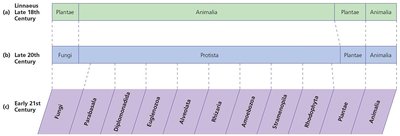
Classification has evolved from structural similarities to molecular (nucleotide sequence) comparisons. Modern taxonomy reflects evolutionary relationships more accurately.
Early schemes: Grouped by morphology (plants, animals, protists, fungi).
Modern schemes: Use genetic data to define groups.
Protozoa
General Features
Protozoa are a diverse group of unicellular, eukaryotic organisms lacking cell walls. They are typically motile and inhabit moist environments.
Motility: Achieved via cilia, flagella, or pseudopods.
Habitats: Aquatic (ponds, lakes, oceans), moist soil, decaying matter.
Pathogenicity: Most are harmless; a few cause disease.
Morphology and Life Cycle
Protozoa exhibit significant morphological diversity, including variations in nuclei, flagella, and mitochondria. Their life cycle often includes a motile feeding stage (trophozoite) and a dormant cyst stage.
Nutrition
Chemoheterotrophic: Most ingest bacteria, organic matter, or host tissues.
Some absorb nutrients directly from water.
Reproduction
Asexual: Binary fission, schizogony.
Sexual: Gamete formation, conjugation in some groups.
Classification of Protozoa
Protozoa are classified into several groups based on molecular and morphological characteristics:
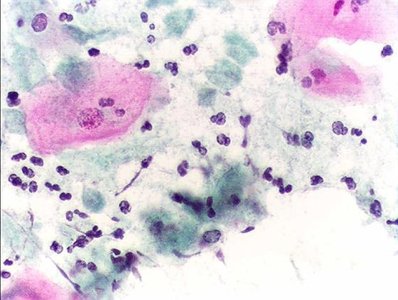
Parabasala: Lack typical mitochondria, have a parabasal body, single nucleus. Example: Trichomonas vaginalis.
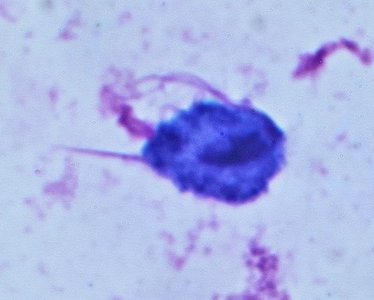
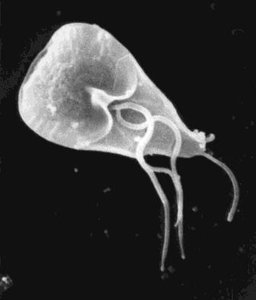
Diplomonadida: Lack canonical mitochondria, have mitosomes, two nuclei, multiple flagella. Example: Giardia lamblia.
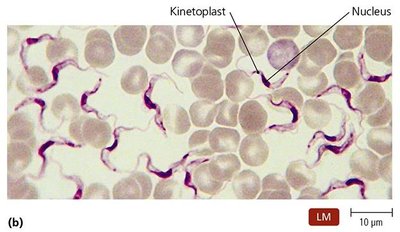
Euglenozoa: Kinetoplastids with a unique mitochondrial DNA region (kinetoplast). Pathogenic genera include Trypanosoma and Leishmania.
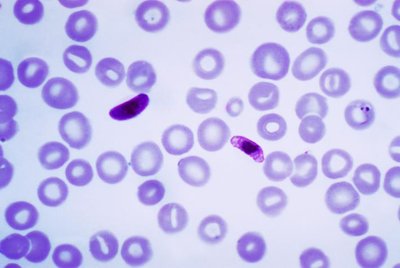
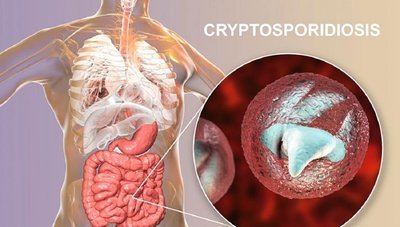
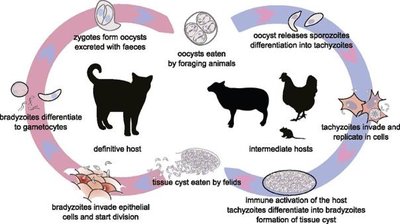
Alveolates: Includes apicomplexans (animal pathogens with complex organelles for host cell penetration). Examples: Plasmodium, Cryptosporidium, Toxoplasma.
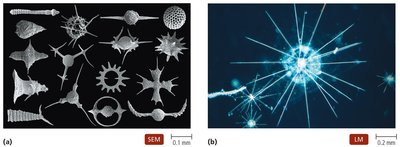
Rhizaria: Amoebae with threadlike pseudopods, often with ornate silica shells. Example: Radiolaria.
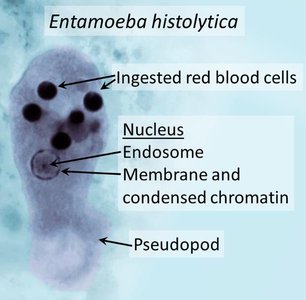
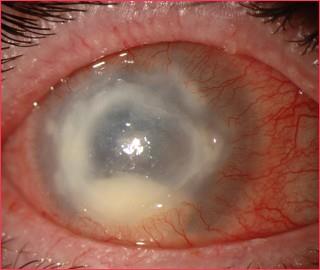
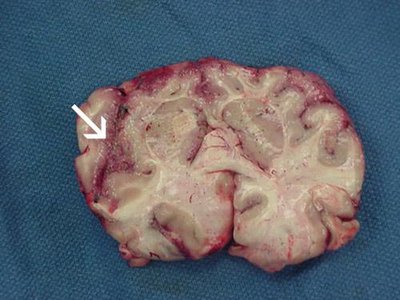
Amoebozoa: Amoebae with lobe-shaped pseudopods. Pathogens include Acanthamoeba (keratitis) and Entamoeba histolytica (dysentery).
Algae
General Features and Distribution
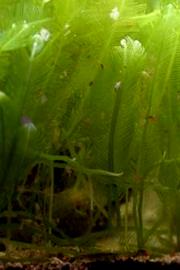
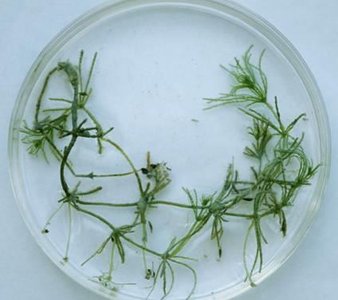
Algae are simple, eukaryotic photoautotrophs found primarily in aquatic environments. They possess accessory pigments that allow them to capture light energy at various depths.
Live in the photic zone of water bodies (fresh, brackish, marine).
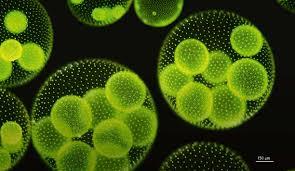
Can be unicellular, colonial, or multicellular.
Classification of Algae
Division Chlorophyta (Green Algae): Share features with plants (chlorophylls a and b, cellulose cell walls, starch storage). Found in diverse environments.
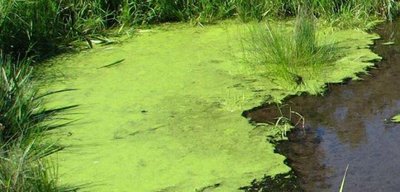
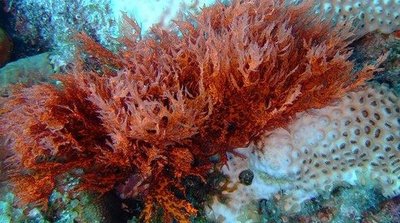
Kingdom Rhodophyta (Red Algae): Contain phycoerythrin pigment, store glycogen, cell walls of agar or carrageenan. Mostly marine.
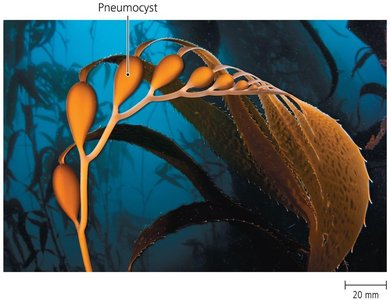
Phaeophyta (Brown Algae): Produce chlorophylls a and c, carotene, xanthophylls; cell walls of cellulose and alginic acid. Important in marine environments.
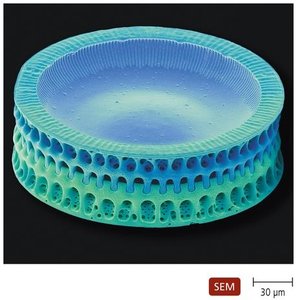
Chrysophyta (Golden Algae, Yellow-Green Algae, Diatoms): Use chrysolaminarin for storage, produce carotene, major oxygen producers. Diatoms are a key component of phytoplankton.
Fungi
General Features
Fungi are chemoheterotrophic eukaryotes with cell walls typically composed of chitin. They do not perform photosynthesis and are more closely related to animals than plants.
Significance of Fungi
Decompose dead organisms and recycle nutrients.
Form symbiotic relationships with plants (mycorrhizae).
Used in food production, medicine (antibiotics), and research.
Some are pathogenic or cause food spoilage.
Fungal Morphology
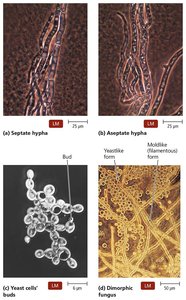
Molds: Composed of long filaments called hyphae.
Yeasts: Unicellular, globular.
Dimorphic fungi: Can switch between yeastlike and moldlike forms depending on environmental conditions.
Nutrition and Reproduction
Absorptive nutrition; most are aerobic, some yeasts are facultative anaerobes.
Reproduce asexually (budding, spore formation) and sexually.
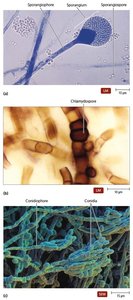
Classification of Fungi
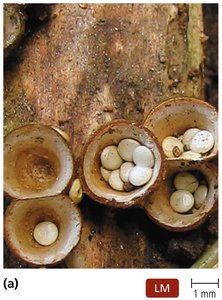
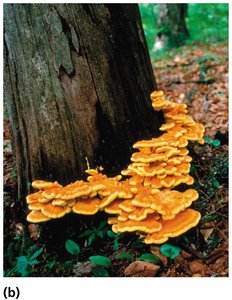
Division Basidiomycota: Includes mushrooms and other basidiocarps. Most are decomposers, some are toxic or cause crop damage.
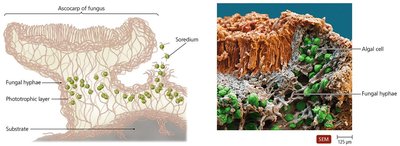
Lichens
Lichens are symbiotic partnerships between fungi and photosynthetic microbes (algae or cyanobacteria). The fungus provides structure and protection, while the microbe supplies carbohydrates and oxygen.
Grow in diverse habitats and are important ecological indicators.
Serve as food for some animals.
Other Eukaryotes of Microbiological Interest: Parasitic Helminths and Arthropod Vectors
Parasitic Helminths
Parasitic worms (helminths) have microscopic infective and diagnostic stages. They are significant human and animal pathogens.
Arthropod Vectors
Arthropods can transmit pathogens as mechanical or biological vectors. Disease vectors are mainly from two classes:
Arachnida: Four pairs of legs; includes ticks (important vectors) and some mites.
Insecta: Three pairs of legs, three body regions; includes fleas, lice, flies, mosquitoes (most important disease vectors), and kissing bugs.
