 Back
BackCharacterizing and Classifying Prokaryotes: Structure, Reproduction, and Diversity
Study Guide - Smart Notes
 Tailored notes based on your materials, expanded with key definitions, examples, and context.
General Characteristics of Prokaryotic Organisms
Morphology of Prokaryotic Cells
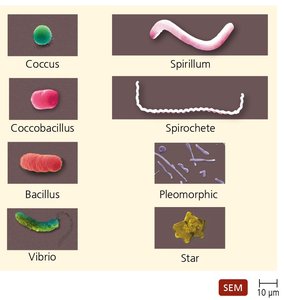
Prokaryotes are the most diverse group of cellular microbes, thriving in a wide range of habitats. Only a small subset is capable of colonizing humans and causing disease. Prokaryotic cells exhibit a variety of shapes, which are important for identification and classification.
Coccus: Spherical-shaped cells
Bacillus: Rod-shaped cells
Spirillum: Spiral-shaped cells
Spirochete: Flexible, corkscrew-shaped cells
Vibrio: Comma-shaped cells
Pleomorphic: Cells that vary in shape
Star-shaped: Rare, star-like morphology
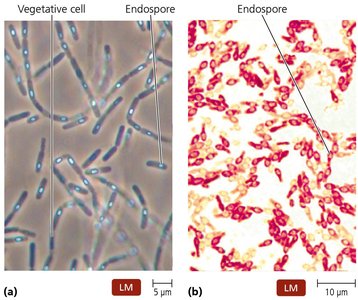
Endospores
Endospores are highly resistant, dormant structures formed by certain Gram-positive bacteria, such as Bacillus and Clostridium. Each vegetative cell forms one endospore, which can later germinate into a new vegetative cell. Endospores serve as a defensive strategy against unfavorable environmental conditions and are of significant concern in food processing and healthcare due to their resistance to heat, chemicals, and radiation.
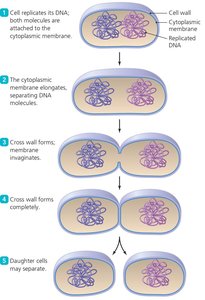
Reproduction of Prokaryotic Cells
All prokaryotes reproduce asexually. The three main methods are:
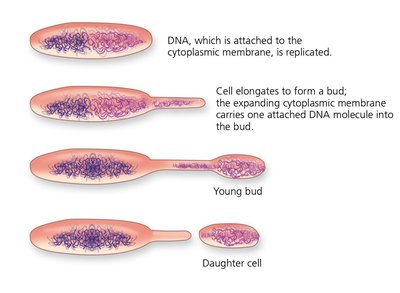
Binary fission: The most common method, involving the replication of DNA, elongation of the cell, and division into two daughter cells.
Snapping division: A variation of binary fission where the inner cell wall layer forms a cross wall, and the outer layer snaps, producing two cells.
Budding: A new cell develops from a bud on the parent cell, eventually detaching as a separate organism.
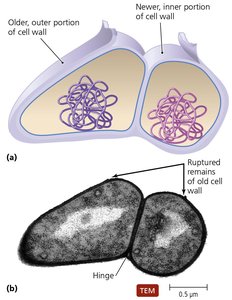
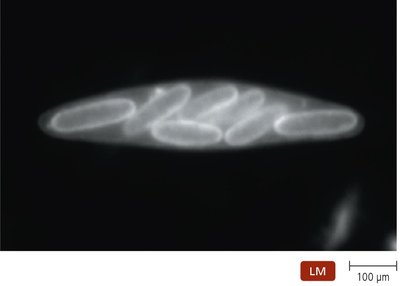
Some prokaryotes, such as Epulopiscium, reproduce by viviparity, where live offspring emerge from the mother cell, a unique feature among prokaryotes.
Arrangements of Prokaryotic Cells
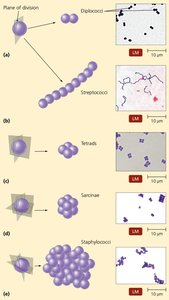
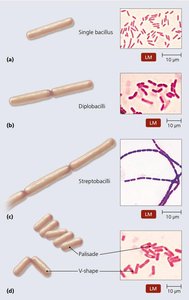
The arrangement of prokaryotic cells results from the planes in which cells divide and whether daughter cells remain attached. Common arrangements include chains (streptococci), clusters (staphylococci), pairs (diplococci), and others.
Modern Prokaryotic Classification
Three Domains of Life
Modern classification of prokaryotes is based on genetic relatedness, particularly rRNA sequences. The three domains are:
Archaea
Bacteria
Eukarya
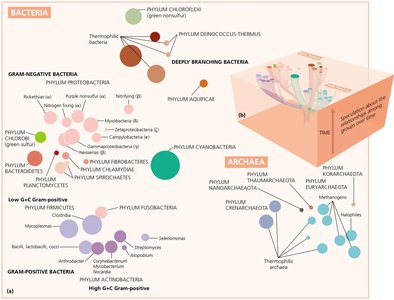
Survey of Archaea
General Features
Archaea are prokaryotes that lack true peptidoglycan in their cell walls, have branched hydrocarbon chains in their membrane lipids, and use methionine as the start codon for protein synthesis. They reproduce by binary fission, budding, or fragmentation and display a variety of shapes. Archaea are not known to cause disease in humans, plants, or animals.
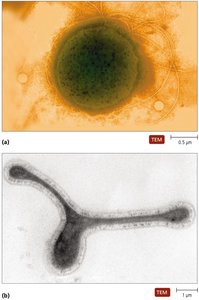
Extremophiles
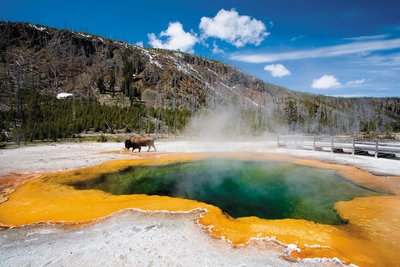
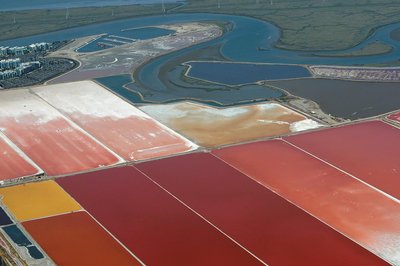
Many archaea are extremophiles, requiring extreme conditions such as high temperature, acidity, or salinity to survive.
Thermophiles: Require temperatures above 45°C; hyperthermophiles thrive above 80°C. Examples include Thermococcus and Pyrodictium.
Halophiles: Inhabit environments with >9% NaCl, often producing red or orange pigments for protection from sunlight. Halobacterium salinarium is a well-studied example.
Methanogens
Methanogens are archaea that produce methane gas from carbon dioxide, hydrogen, and organic acids. They play a significant role in the environment, especially in anaerobic sediments and the digestive tracts of animals, and are a major source of environmental methane.
Survey of Bacteria
Deeply Branching and Phototrophic Bacteria
Deeply branching bacteria are considered similar to the earliest forms of life, are autotrophic, and inhabit environments resembling early Earth. Examples include Aquifex and Deinococcus. Phototrophic bacteria perform photosynthesis and are divided into groups based on pigments and electron donors:
Cyanobacteria (blue-green bacteria): Gram-negative, oxygenic photosynthesis, some fix nitrogen.
Green sulfur bacteria: Anoxygenic photosynthesis, use H2S as electron donor.
Green nonsulfur bacteria: Anoxygenic, use organic compounds as electron donors.
Purple sulfur bacteria: Anoxygenic, deposit sulfur inside cells.
Purple nonsulfur bacteria: Anoxygenic, use organic compounds as electron donors.
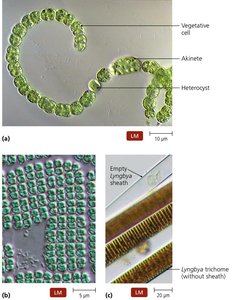
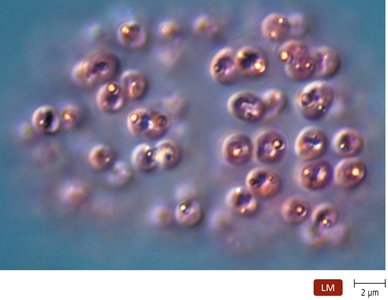
Phylum/Class | Common Name(s) | Major Photosynthetic Pigments | Types of Photosynthesis | Electron Donor | Sulfur Deposition | Nitrogen Fixation | Motility |
|---|---|---|---|---|---|---|---|
Cyanobacteria | Blue-green bacteria | Chlorophyll a | Oxygenic | H2O | None | Some species | Nonmotile or gliding |
Chlorobi | Green sulfur bacteria | Bacteriochlorophyll a + c, d, or e | Anoxygenic | H2, H2S, or S | Outside cell | None | Nonmotile |
Chloroflexi | Green nonsulfur bacteria | Bacteriochlorophylls a and c | Anoxygenic | Organic compounds | None | None | Gliding |
Proteobacteria (Gamma) | Purple sulfur bacteria | Bacteriochlorophyll a or b | Anoxygenic | H2, H2S, or S | Inside cell | None | Motile with polar or peritrichous flagella |
Proteobacteria (Alpha/Beta) | Purple nonsulfur bacteria | Bacteriochlorophyll a or b | Anoxygenic | Organic compounds | None | None | Nonmotile or motile with polar flagella |
Low G + C Gram-Positive Bacteria
These bacteria have a low guanine-cytosine content in their DNA and include several medically and industrially important genera:
Clostridia: Obligate anaerobes, endospore-formers, cause diseases such as tetanus and botulism.
Mycoplasmas: Lack cell walls, smallest free-living cells, colonize mucous membranes.
Bacillus: Endospore-formers, B. thuringiensis produces insecticidal toxins, B. anthracis causes anthrax.
Listeria: Contaminates food, can grow at refrigeration temperatures, crosses placenta.
Lactobacillus: Used in food production, rarely pathogenic.
Streptococcus and Enterococcus: Cause various diseases, some are multi-drug resistant.
Staphylococcus: Common human inhabitant, produces toxins and enzymes.
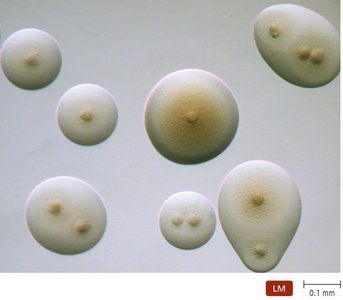
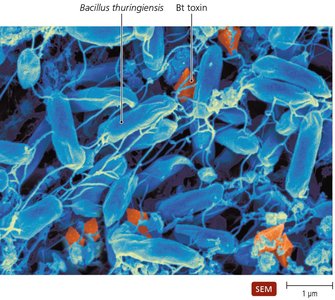
Phylum/Class | G + C % | Representative Genera | Special Characteristics | Diseases |
|---|---|---|---|---|
Clostridia | Low (<50%) | Clostridium | Obligate anaerobic rod; endospore former | Tetanus, botulism, gangrene, severe diarrhea |
Mollicutes | Low (<50%) | Mycoplasma | Lacks cell walls; pleomorphic; smallest free-living cell | Pneumonia, urinary tract infections |
Bacilli | Low (<50%) | Bacillus | Facultative anaerobic rod; endospore former | Anthrax |
Bacilli | Low (<50%) | Listeria | Contaminates dairy products | Listeriosis |
Bacilli | Low (<50%) | Lactobacillus | Produces yogurt, buttermilk, pickles, sauerkraut | Rare blood infections |
Bacilli | Low (<50%) | Streptococcus | Cocci in chains | Strep throat, scarlet fever, and others |
Bacilli | Low (<50%) | Staphylococcus | Cocci in clusters | Bacteremia, food poisoning, and others |
High G + C Gram-Positive Bacteria
These bacteria have a high guanine-cytosine content in their DNA and include:
Corynebacterium: Pleomorphic, produces metachromatic granules, causes diphtheria.
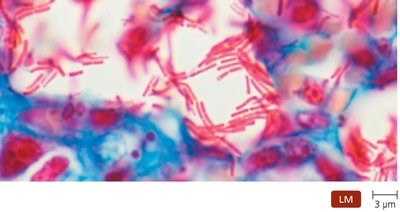
Mycobacterium: Waxy cell walls (mycolic acid), slow-growing, causes tuberculosis and leprosy.
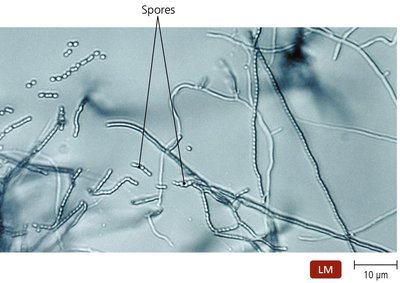
Actinomycetes: Form branching filaments, important for antibiotic production (e.g., Streptomyces).
Gram-Negative Proteobacteria
Overview
Proteobacteria are the largest and most diverse group of Gram-negative bacteria, divided into six classes: Alpha-, Beta-, Gamma-, Delta-, Epsilon-, and Zetaproteobacteria.
Alphaproteobacteria
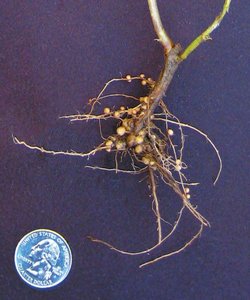
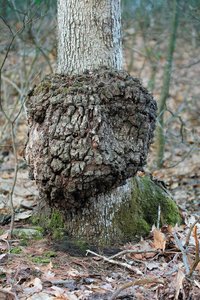
Nitrogen fixers: Azospirillum and Rhizobium associate with plant roots, important for agriculture.
Nitrifying bacteria: Nitrobacter oxidizes nitrogenous compounds, crucial for nitrogen cycling.
Pathogens: Rickettsia (arthropod-borne diseases), Brucella (brucellosis).
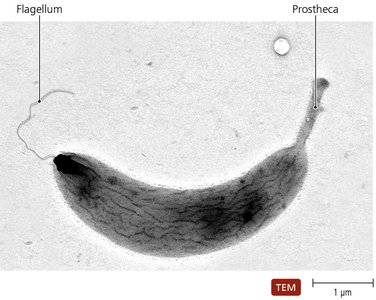
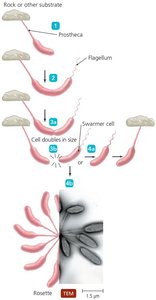
Other genera: Acetobacter, Gluconobacter, Caulobacter.
Betaproteobacteria
Pathogens: Neisseria (various diseases), Bordetella (pertussis), Burkholderia (cystic fibrosis infections).
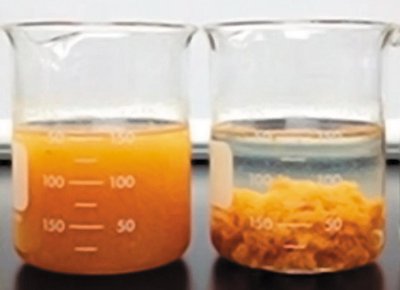
Environmental bacteria: Thiobacillus (sulfur recycling), Zoogloea (sewage treatment), Sphaerotilus (waste treatment issues).
Gammaproteobacteria
Purple sulfur bacteria: Anoxygenic phototrophs.
Intracellular pathogens: Legionella (Legionnaires’ disease), Coxiella (Q fever).
Methane oxidizers: Use methane as a carbon and energy source.
Glycolytic facultative anaerobes: Includes Escherichia, Salmonella, Shigella, Klebsiella, Proteus, Yersinia, Vibrio, and Haemophilus.
Pseudomonads: Pseudomonas (various infections), Azotobacter, Azomonas.
Family | Special Characteristics | Representative Genera | Typical Human Diseases |
|---|---|---|---|
Enterobacteriaceae | Straight rods; oxidase negative; peritrichous flagella or nonmotile | Escherichia | Gastroenteritis |
Enterobacteriaceae | Salmonella | Enteritis | |
Enterobacteriaceae | Proteus | Urinary tract infection | |
Enterobacteriaceae | Shigella | Shigellosis | |
Enterobacteriaceae | Yersinia | Plague | |
Enterobacteriaceae | Klebsiella | Pneumonia | |
Vibrionaceae | Vibrios; oxidase positive; polar flagella | Vibrio | Cholera |
Pasteurellaceae | Cocci or straight rods; oxidase positive; nonmotile | Haemophilus | Meningitis in children, middle ear infections, pneumonia |
Deltaproteobacteria
Desulfovibrio: Sulfate-reducing bacteria.
Bdellovibrio: Predatory bacteria that attack other Gram-negative bacteria.
Myxobacteria: Exhibit complex life cycles and social behavior.
Epsilonproteobacteria
Campylobacter and Helicobacter: Important human pathogens.
Zetaproteobacteria
Discovered through DNA sequencing; Mariprofundus ferrooxydans is the only formally named species.
Other Gram-Negative Bacteria
Chlamydias: Intracellular pathogens, some are smaller than viruses, cause common sexually transmitted infections.
Spirochetes: Motile, corkscrew-shaped bacteria; Treponema and Borrelia cause human diseases.
Bacteroids: Bacteroides inhabit digestive tracts, some cause infections; Cytophaga are aquatic and degrade sewage.
