Back
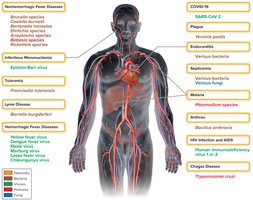
BackInfectious Diseases Affecting the Cardiovascular and Lymphatic Systems
Study Guide - Smart Notes
 Tailored notes based on your materials, expanded with key definitions, examples, and context.
Endocarditis
Definition and Types
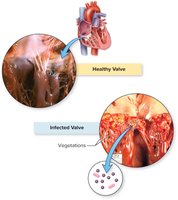
Endocarditis is the inflammation of the endocardium, the inner lining of the heart, most often involving the heart valves. There are two main types: acute and subacute endocarditis, each with distinct causative agents and clinical presentations. The introduction of prosthetic valves has increased the risk of infection, as these artificial surfaces can serve as sites for bacterial colonization.
Signs and Symptoms
Common symptoms: Fever, fatigue, joint pain, edema, weakness, anemia, abnormal heartbeat, and sometimes symptoms similar to myocardial infarction.
Physical findings: Petechiae, Janeway lesions (red, painless spots on palms/soles), Osler’s nodes (painful nodes on fingers/toes).
Subacute cases: May present with enlarged spleen and, in chronic cases, clubbed fingers and toes due to hypoxia.
Acute Endocarditis
Results from a sudden, overwhelming bloodstream infection, often by Staphylococcus aureus, Streptococcus pyogenes, Streptococcus pneumoniae, Enterococcus, or Pseudomonas aeruginosa.
Bacteria colonize normal valves, forming vegetations that impair valve function and may cause emboli.
Transmission is typically parenteral (e.g., intravenous drug use, trauma, surgery).
Subacute Endocarditis
Usually follows pre-existing valve damage or congenital malformations.
Commonly caused by low-pathogenicity bacteria, especially oral alpha-hemolytic streptococci (Streptococcus sanguis, S. oralis, S. mutans).
Transmission occurs via minor mucosal disruptions (e.g., dental procedures, cuts).
Prevention includes prophylactic antibiotics before surgery for at-risk patients.
Hemorrhagic Fever Diseases
Overview
These are viral diseases causing high fever and, in some cases, internal hemorrhaging due to capillary fragility and disruption of blood clotting. All causative viruses are RNA enveloped viruses, and their distribution depends on the range of their natural hosts.
Major Hemorrhagic Fevers
Yellow fever virus: Endemic in Africa and South America, more frequent in rainy climates.
Dengue fever: Endemic in Southeast Asia and Africa; outbreaks in the Americas and Caribbean.
Chikungunya: Endemic in Africa, recently spread to the Americas and Europe.
Ebola and Marburg: Endemic to Africa, cause severe capillary fragility and bleeding; bats are the reservoir for Ebola.
Lassa fever: Endemic to West Africa, reservoir is the multimammate rat.
Transmission
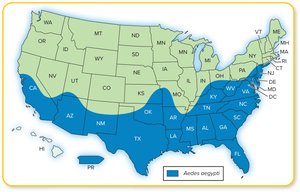
Yellow fever, chikungunya, and dengue are all transmitted by Aedes mosquitoes.
Nonhemorrhagic Fever Diseases
Overview
These diseases cause high fever without the capillary fragility seen in hemorrhagic fevers. They are caused by bacteria (e.g., Brucellosis, Q fever, Cat-scratch disease, Ehrlichiosis, Anaplasmosis, Rocky Mountain spotted fever) and protozoa (Babesiosis).
Rocky Mountain Spotted Fever (RMSF)
Etiology and Epidemiology
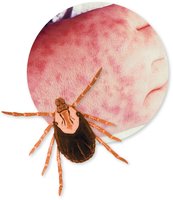
Caused by Rickettsia rickettsii, transmitted by hard ticks (wood tick, Lone Star tick, American dog tick).
Most cases occur in the Southeast and Eastern U.S., with peak incidence in spring and summer.
Signs and Symptoms
Fever, chills, headache, muscle pain, and a distinctive spotted rash (appearing 2–4 days after prodrome, starting on wrists, forearms, and ankles).
Severe cases may lead to necrosis, gangrene, cardiovascular disruption, and CNS involvement.
Untreated fatality rate: 20%; treated: 5–10%.
HIV Infection and AIDS
Signs and Symptoms
Symptoms depend on viral load and T cell count.
Initial: Fatigue, diarrhea, weight loss, neurological changes.
Advanced: Opportunistic infections, wasting, neurological complications (AIDS dementia).
Progression
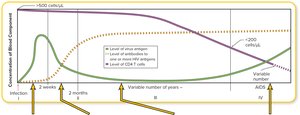
Initial high viral load, followed by antibody production and drop in virus levels.
Asymptomatic phase can last years; CD4 T cell count gradually declines.
AIDS defined by CD4 count <200 cells/µl or presence of AIDS-defining illnesses.
Causative Agent
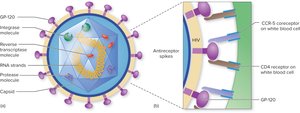
HIV is a retrovirus (genus Lentivirus), containing reverse transcriptase for RNA to DNA conversion.
Enveloped RNA virus with glycoprotein spikes for host cell entry (requires CD4 and CCR-5 receptors).
Pathogenesis
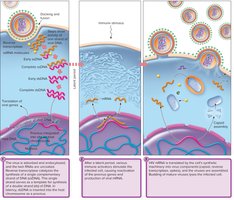
HIV infects dendritic cells, macrophages, and CD4+ T cells, leading to immune system destruction.
Induces cell fusion (syncytia formation) and persistent infection.
Transmission
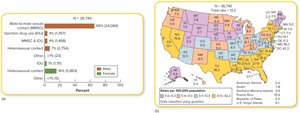
Primarily via sexual contact, blood, or perinatal routes (before/during birth, breastfeeding).
Not transmitted by saliva, urine, tears, or sweat.
Epidemiology
Since the 1980s, ~35 million deaths worldwide; ~40 million currently infected.
Prevention includes safe sex, PrEP, and avoiding needle sharing.
Diagnosis and Treatment
Diagnosis: Antibody/antigen tests, confirmed by immunoassay or NAAT.
Treatment: Combination antiretroviral therapy (ART) from two drug classes; no cure, but ART improves quality of life and reduces transmission.
Plague
Types and Symptoms
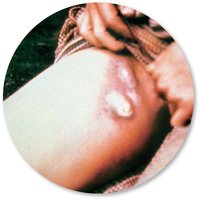
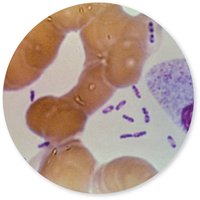
Bubonic plague: Caused by Yersinia pestis, transmitted by flea bite. Causes swollen, necrotic lymph nodes (buboes), fever, chills, and high mortality even with treatment.
Septicemic plague: Progression to bloodstream infection, causing disseminated intravascular coagulation, hemorrhage, necrosis, and "Black Death" appearance. Mortality is extremely high without treatment.
Transmission and Epidemiology
Fleas are the main vectors; bacteria block the flea's gut, causing regurgitation into bite wounds.
Endemic in western U.S.; risk groups include veterinarians and those near woodlands.

Tularemia
Etiology and Transmission
Caused by Francisella tularensis, a highly infectious, facultative intracellular gram-negative bacterium.
Zoonotic, with rabbits and rodents as main reservoirs; transmitted by ticks, biting flies, aerosols, or direct contact.

Symptoms and Prevention
Symptoms: Fever, chills, headache, backache, ulcerative lesions, swollen lymph nodes, conjunctivitis, sore throat, and pulmonary involvement.
Prevention: Protective equipment for lab workers, postexposure prophylaxis with doxycycline or ciprofloxacin.
Lyme Disease
Signs and Symptoms
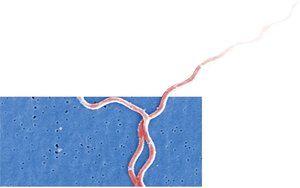
Caused by Borrelia burgdorferi, a spirochete transmitted by Ixodes ticks.
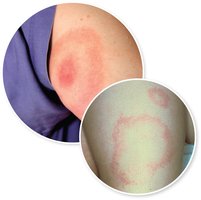
Early: Erythema migrans (bull’s-eye rash), fever, headache, stiff neck, dizziness.
Late: Cardiac and neurological symptoms, arthritis, chronic neurological complications.
Transmission and Epidemiology
Transmitted by Ixodes scapularis (Northeast) and Ixodes pacificus (California).
Greatest risk in areas with abundant tick and host populations.
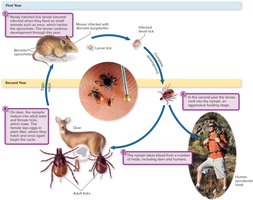

Diagnosis, Prevention, and Treatment
Diagnosis: Based on symptoms and exposure history; serology (ELISA, Western blot) in late disease.
Prevention: Protective clothing, tick checks, prompt removal of ticks, use of repellents.
Treatment: Early, prolonged antibiotics (doxycycline, amoxicillin).
Chagas Disease
Etiology and Symptoms
Caused by Trypanosoma cruzi, a flagellated protozoan.
Acute phase: Fever, nausea, fatigue, chagoma at bite site, Romana’s sign (eyelid swelling).
Chronic phase: Asymptomatic for years, then cardiac, neurological, and intestinal complications.
Transmission and Prevention
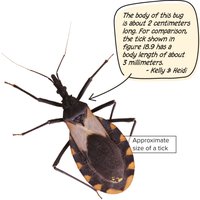
Transmitted by triatomine bugs ("kissing bugs"), vertically, or via blood transfusion.
Prevention: No vaccine; control of insect vectors and improved housing.
Treatment: Most effective in acute phase; drugs available through CDC.
Summary Table: Major Infectious Diseases of the Cardiovascular and Lymphatic Systems
Disease | Causative Agent | Transmission | Key Symptoms | Prevention/Treatment |
|---|---|---|---|---|
Endocarditis | Various bacteria (e.g., S. aureus, alpha-hemolytic streptococci) | Parenteral, oral flora | Fever, heart murmur, emboli | Prophylactic antibiotics, surgery |
Hemorrhagic Fevers | RNA viruses (e.g., Ebola, Dengue) | Vector-borne (mosquitoes, bats) | High fever, hemorrhage | Vector control, supportive care |
RMSF | Rickettsia rickettsii | Tick bite | Fever, rash, CNS symptoms | Tick avoidance, antibiotics |
HIV/AIDS | HIV (retrovirus) | Sexual, blood, perinatal | Immunodeficiency, opportunistic infections | ART, PrEP, safe sex |
Plague | Yersinia pestis | Flea bite, respiratory | Buboes, sepsis, necrosis | Vector control, antibiotics |
Tularemia | Francisella tularensis | Tick, aerosol, direct contact | Ulcers, lymphadenopathy | Protective gear, antibiotics |
Lyme Disease | Borrelia burgdorferi | Tick bite | Bull’s-eye rash, arthritis | Tick avoidance, antibiotics |
Chagas Disease | Trypanosoma cruzi | Triatomine bug, blood | Chagoma, cardiac/neurological | Vector control, antiparasitics |