 Back
BackIntroduction to Microbiology: The Microbial World and You
Study Guide - Smart Notes
 Tailored notes based on your materials, expanded with key definitions, examples, and context.
Introduction to Microbiology
The Microbial World and Its Importance
Microbiology is the study of microorganisms, which are organisms too small to be seen with the unaided eye. These include bacteria, archaea, fungi, protozoa, algae, viruses, and prions. Microbes play essential roles in the environment, industry, and human health.
Microbes in Our Lives: Microorganisms are involved in nutrient cycling, decomposition, food production, and biotechnology. While some are pathogenic, most are beneficial or harmless.
Examples of Microbial Roles: Decomposition of organic waste, nitrogen fixation, oxygen generation via photosynthesis, and production of fermented foods and pharmaceuticals.
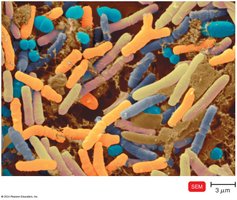
The Microbiome
Normal Microbiota and Human Health
The microbiome refers to the community of microorganisms living in and on the human body. These microbes, known as normal microbiota, help maintain health by preventing pathogen colonization and training the immune system. Transient microbiota are microbes that temporarily inhabit the body.
Acquisition: Microbiota begin colonizing the body before birth and continue to change throughout life.
Projects: The Human Microbiome Project (2007–2016) mapped typical microbiota, while the National Microbiome Initiative (2016–) studies microbial roles in various ecosystems.
Naming and Classifying Microorganisms
Scientific Nomenclature and Classification
Microorganisms are named using a binomial system established by Carolus Linnaeus. Each organism has a genus (capitalized) and a specific epithet (lowercase), both italicized or underlined. Names may honor scientists or describe features.
Example: Escherichia coli (named for Theodor Escherich; found in the colon), Staphylococcus aureus (describes clustered, spherical, gold-colored cells).
Abbreviation: After first use, names may be abbreviated (e.g., E. coli).
Major Groups of Microorganisms
Bacteria: Prokaryotic, unicellular, peptidoglycan cell walls, reproduce by binary fission, diverse metabolism, may have flagella.
Archaea: Prokaryotic, lack peptidoglycan, often extremophiles (e.g., methanogens, halophiles, thermophiles), not known to cause disease.
Fungi: Eukaryotic, chitin cell walls, absorb nutrients, include unicellular yeasts and multicellular molds/mushrooms.
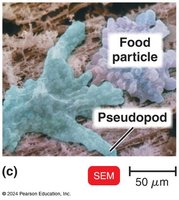
Protozoa: Eukaryotic, ingest/absorb nutrients, motile via pseudopods, cilia, or flagella, free-living or parasitic, some photosynthetic.
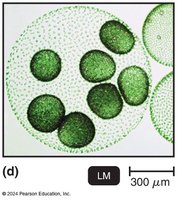
Algae: Eukaryotic, cellulose cell walls, photosynthetic, produce oxygen and carbohydrates, aquatic or terrestrial.
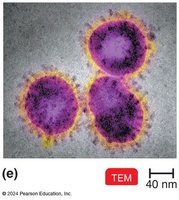
Viruses: Acellular, DNA or RNA core, protein coat (sometimes lipid envelope), replicate only in host cells.
Multicellular Animal Parasites: Eukaryotic, include helminths (flatworms, roundworms), some stages are microscopic.
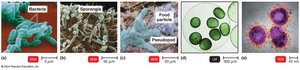
Representative Microbial Images
Bacteria: Prokaryotic cells, often rod-shaped.
Fungi: Sporangia (spore-producing structures).
Protozoa: Motile via pseudopods, ingest food particles.
Algae: Green, photosynthetic colonies.
Viruses: Acellular, visible only with electron microscopy.
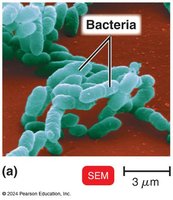
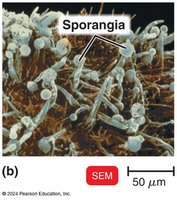
Classification: The Three Domains
Carl Woese (1978) classified life into three domains based on cellular organization:
Bacteria
Archaea
Eukarya: Includes protists, fungi, plants, and animals
Disproving Spontaneous Generation
Historical Experiments and the Rise of Biogenesis
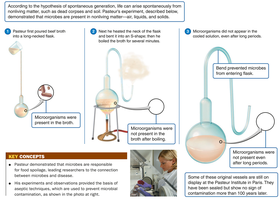
The origin of life was debated between spontaneous generation (life from nonliving matter) and biogenesis (life from preexisting life). Key experiments included:
1668, Redi: Showed maggots do not arise from meat without exposure to flies.
1745, Needham: Claimed boiled broth produced microbes spontaneously.
1765, Spallanzani: Showed sealed, boiled broth did not produce microbes.
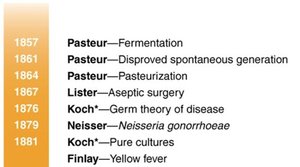
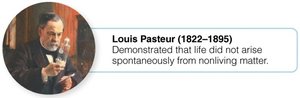
1861, Pasteur: Used swan-neck flasks to demonstrate that microbes come from the air, not spontaneous generation.
A Brief History of Microbiology
Key Discoveries and the Golden Ages
Microbiology advanced through several "Golden Ages," marked by major discoveries:
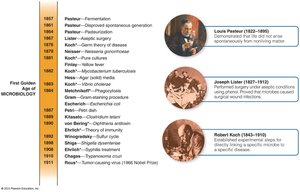
Cell Theory: Robert Hooke (1665) and Anton van Leeuwenhoek (1673–1723) observed cells and microbes, establishing that all living things are composed of cells.
Fermentation and Pasteurization: Pasteur showed microbes cause fermentation and spoilage; developed pasteurization to kill harmful microbes in beverages.
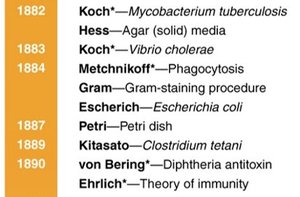
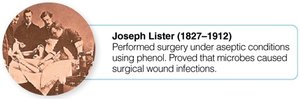
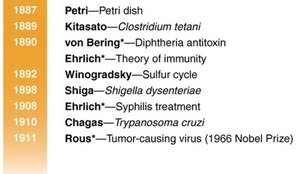
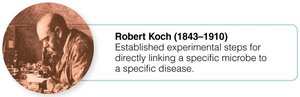
Germ Theory of Disease: Bassi, Pasteur, Lister, and Koch linked specific microbes to diseases and developed aseptic techniques.
Vaccination: Jenner's cowpox inoculation led to immunity against smallpox.
Chemotherapy: Ehrlich developed the first synthetic drug (salvarsan for syphilis); Fleming discovered penicillin.
The Discovery of Penicillin
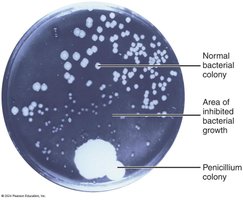
Alexander Fleming (1928) discovered that the fungus Penicillium produced a substance (penicillin) that killed bacteria, leading to the development of antibiotics.
Branches of Microbiology
Specialized Fields
Bacteriology: Study of bacteria
Mycology: Study of fungi
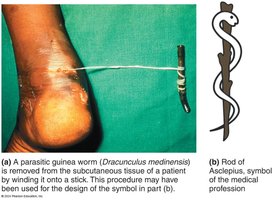
Parasitology: Study of protozoa and parasitic worms
Immunology: Study of immunity; includes vaccines and immune responses
Virology: Study of viruses
Modern Microbiology
Genomics: Study of organismal genes; enables classification and understanding of microbiomes.
Recombinant DNA Technology: Combining DNA from different sources to produce useful proteins (e.g., human hormones in bacteria).

Microbes and Human Disease
Normal Microbiota, Resistance, and Biofilms
Normal Microbiota: Microbes that inhabit the human body, preventing pathogen growth and producing essential vitamins (e.g., B, K).
Resistance: The body's ability to ward off disease, involving barriers like skin, stomach acid, and immune chemicals.
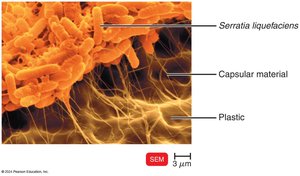
Biofilms: Complex microbial communities attached to surfaces (e.g., teeth, medical implants). Biofilms can be beneficial (protective, food sources) or harmful (infections, antibiotic resistance).
Summary Table: Major Groups of Microorganisms
Group | Cell Type | Cell Wall | Reproduction | Example |
|---|---|---|---|---|
Bacteria | Prokaryotic | Peptidoglycan | Binary fission | Escherichia coli |
Archaea | Prokaryotic | None or pseudomurein | Binary fission | Methanogens |
Fungi | Eukaryotic | Chitin | Sexual/asexual spores | Yeasts, molds |
Protozoa | Eukaryotic | None | Sexual/asexual | Amoeba |
Algae | Eukaryotic | Cellulose | Sexual/asexual | Volvox |
Viruses | Acellular | Protein coat (sometimes lipid envelope) | Host-dependent | Coronavirus |
Helminths | Eukaryotic | None | Complex life cycles | Tapeworms |
Key Terms and Definitions
Microbiome: The community of microorganisms living in and on the human body.
Normal microbiota: Microbes that colonize the body without causing disease.
Transient microbiota: Microbes that are present temporarily.
Biofilm: A complex aggregation of microbes growing on a solid surface.
Resistance: The ability of the body to ward off disease.
Pathogen: A microorganism that causes disease.
Fermentation: Microbial conversion of sugar to alcohol or acid.
Pasteurization: Heat treatment to kill harmful microbes in food and beverages.
Antibiotic: A substance produced by microbes that inhibits or kills other microbes.
