 Back
BackMicrobial Diseases of the Nervous System: Bacterial, Viral, Fungal, Protozoan, and Prion Infections
Study Guide - Smart Notes
 Tailored notes based on your materials, expanded with key definitions, examples, and context.
Diseases of the Nervous System
Overview of the Nervous System
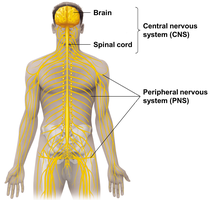
The human nervous system is divided into the central nervous system (CNS)—comprising the brain and spinal cord—and the peripheral nervous system (PNS), which consists of nerves branching from the CNS. The CNS is protected by three layers of membranes called meninges: dura mater (outermost), arachnoid mater (middle), and pia mater (innermost). The subarachnoid space contains cerebrospinal fluid (CSF), which cushions the CNS. The blood-brain barrier restricts the passage of substances from the bloodstream into the CNS, making infections rare but difficult to treat.
Inflammatory Diseases of the CNS
Meningitis: Inflammation of the meninges.
Encephalitis: Inflammation of the brain tissue.
Meningoencephalitis: Inflammation of both the brain and meninges.
Bacterial Diseases of the Nervous System
Bacterial Meningitis
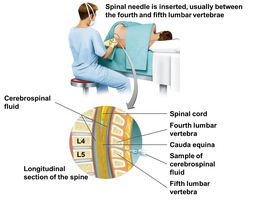
Bacterial meningitis is a life-threatening infection characterized by inflammation of the meninges. It can be caused by several bacteria, with initial symptoms including fever, headache, and stiff neck, followed by nausea, vomiting, photophobia, and potentially convulsions or coma. Death may result from shock and inflammation due to endotoxins and cell wall components. Diagnosis is typically made by Gram stain and latex agglutination of CSF obtained via lumbar puncture.
Common causative agents:
Haemophilus influenzae
Neisseria meningitidis
Streptococcus pneumoniae
Listeria monocytogenes
Diagnosis: Gram stain, latex agglutination, and sometimes capsule swelling (Quellung reaction).
Treatment: Cephalosporins are preferred due to their ability to cross the blood-brain barrier.
Prevention: Vaccination is available for several causative agents.
Haemophilus influenzae Meningitis
Haemophilus influenzae type b (Hib) primarily affects children under 4 years old. It is a Gram-negative, aerobic bacterium with a capsule that protects it from phagocytosis. The incidence has decreased due to the Hib vaccine. Diagnosis involves Gram stain and the Quellung reaction.
Neisseria meningitidis (Meningococcal Meningitis)
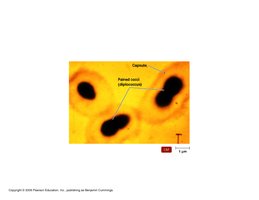
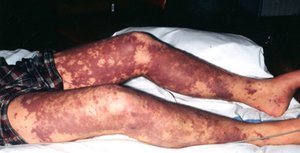
Neisseria meningitidis is a Gram-negative, aerobic diplococcus with a capsule. It can be carried asymptomatically in the nasopharynx. Infection may begin as a throat infection and progress rapidly to bacteremia and meningitis, often accompanied by a characteristic dark purple rash that does not fade when pressed. Symptoms are due to endotoxin release, and the disease can be fatal within hours if untreated. Vaccination is recommended, especially for college students.
Streptococcus pneumoniae (Pneumococcal Meningitis)
Streptococcus pneumoniae is a Gram-positive diplococcus and the leading cause of bacterial meningitis, especially in children. It also causes pneumonia and otitis media. Vaccination (PCV) is effective in prevention.
Listeriosis
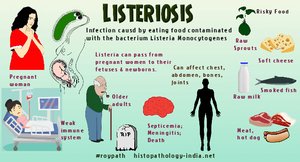
Listeria monocytogenes is a Gram-positive, facultative anaerobic rod that is motile at temperatures ≤30°C. Listeriosis is usually foodborne and can be transmitted to the fetus, causing stillbirth or severe neonatal infection. It is particularly dangerous for pregnant women, immunocompromised individuals, and the elderly. The bacterium can reproduce within phagocytes and spread from cell to cell.

Tetanus
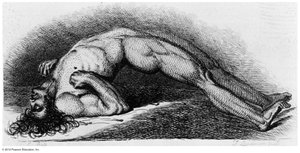
Tetanus is caused by Clostridium tetani, a Gram-positive, endospore-forming, obligate anaerobe. The bacterium grows in deep wounds and produces tetanospasmin, a neurotoxin that blocks muscle relaxation, leading to muscle spasms and potentially fatal respiratory failure. Prevention is by vaccination with tetanus toxoid (DTaP), and treatment includes tetanus immune globulin (TIG).
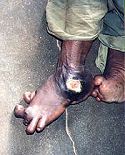
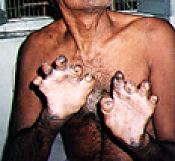
Leprosy (Hansen’s Disease)
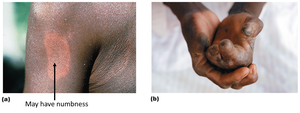
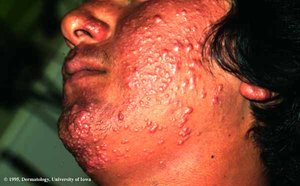
Leprosy is caused by Mycobacterium leprae, an acid-fast rod that grows best at 30°C and primarily infects peripheral nerves and skin cells. Transmission requires prolonged contact, often via nasal secretions or open sores. The disease manifests in two forms:
Tuberculoid (neural) form: Loss of sensation in skin areas; positive lepromin test.
Lepromatous (progressive) form: Disfiguring nodules; negative lepromin test.
Treatment involves long-term antibiotics (dapsone, rifampin, clofazimine). Leprosy is not highly contagious and is rarely fatal.



Viral Diseases of the Nervous System
Poliomyelitis (Polio)
Poliovirus is transmitted by ingestion of fecal-contaminated water. The virus multiplies in the throat and intestines, and in rare cases, enters the CNS, destroying motor neurons and causing paralysis. Diagnosis is by isolation of the virus from feces or throat secretions. Prevention is by vaccination:
Salk vaccine: Inactivated, injectable, requires boosters.
Sabin vaccine: Live attenuated, oral, provides lifelong immunity but carries a slight risk of vaccine-derived infection.
Rabies
Rabies virus (genus Lyssavirus) is transmitted by animal bites, saliva, or mucous membrane exposure. The virus multiplies in muscle, then travels to the CNS, causing fatal encephalitis. Symptoms include agitation, hydrophobia, and muscle spasms. Diagnosis is by direct fluorescent-antibody test for viral antigen. Prevention includes pre- and post-exposure vaccination and administration of rabies immune globulin (RIG).
Arboviral Encephalitis
Arboviruses are arthropod-borne viruses (mainly mosquitoes) that cause encephalitis. Symptoms range from mild to severe, and prevention focuses on mosquito control.
Vertical Transmission: Mother to Child
Certain viral infections can cross the placenta and cause serious fetal damage. Notable examples include Zika virus, neonatal herpes, cytomegalovirus, and rubella. The TORCH screen is used to detect these infections in pregnant women or newborns.
Fungal Diseases of the Nervous System
Cryptococcus neoformans Meningitis
Cryptococcus neoformans is a soil fungus associated with bird droppings. It is transmitted via the respiratory route and can cause meningitis, especially in immunocompromised individuals. Diagnosis is by latex agglutination and negative staining of CSF. Treatment includes amphotericin B and flucytosine.
Protozoan Diseases of the Nervous System
African Trypanosomiasis (Sleeping Sickness)
Caused by Trypanosoma brucei species, transmitted by the tsetse fly. The disease can be chronic or acute, leading to CNS deterioration and death if untreated. The parasite evades the immune system through antigenic variation. Treatment includes eflornithine.
Naegleria fowleri
This protozoan infects the nasal mucosa from swimming water, penetrates the brain, and causes primary amebic meningoencephalitis (PAM), which is almost always fatal.
Prion Diseases of the Nervous System
Transmissible Spongiform Encephalopathies (TSEs)
Prion diseases are caused by abnormally folded proteins and include Creutzfeldt-Jakob disease, Kuru, and bovine spongiform encephalopathy. Symptoms include dementia, memory loss, and motor dysfunction. Prions are highly resistant to destruction and can be transmitted by ingestion, inheritance, or transplant. Sterilization requires NaOH and extended autoclaving at 134°C.
Diseases Caused by Unidentified Agents
Acute flaccid myelitis (AFM): Characterized by limb weakness and cranial nerve dysfunction, possibly caused by enterovirus EV-D68.
Bell’s palsy: Inflammation of facial nerves, possibly linked to herpes viruses.
Chronic fatigue syndrome: Persistent, unexplained fatigue with possible infectious triggers.
