 Back
BackPathogenic Rickettsias, Chlamydias, Spirochetes, and Vibrios: Structure, Physiology, and Diseases
Study Guide - Smart Notes
 Tailored notes based on your materials, expanded with key definitions, examples, and context.
Chapter 21: Rickettsias, Chlamydias, Spirochetes, and Vibrios
Spirochetes: Structure and Physiology
Spirochetes are a group of thin, tightly coiled, helically shaped bacteria that move in a corkscrew fashion due to the rotation of axial filaments. This unique motility enables pathogenic spirochetes to burrow through host tissues, facilitating infection. Three genera cause disease in humans: Treponema, Borrelia, and Leptospira.
Treponema: Includes four subspecies, most notably Treponema pallidum pallidum, the causative agent of syphilis.
Borrelia: Responsible for Lyme disease and relapsing fever.
Leptospira: Causes leptospirosis, a zoonotic disease.
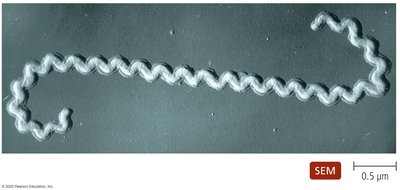
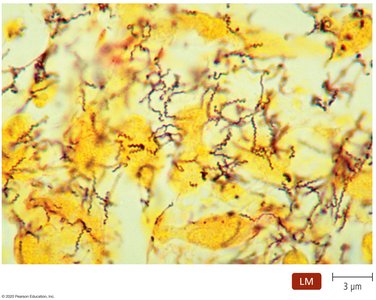
Treponema pallidum pallidum: Pathogenicity and Epidemiology
Treponema pallidum pallidum is a human pathogen that is difficult to culture and study. It is the most widespread strain of Treponema and is the causative agent of syphilis, a disease transmitted almost exclusively via sexual contact. Syphilis is endemic among certain populations, including sex workers, men who have sex with men, and users of illegal drugs.
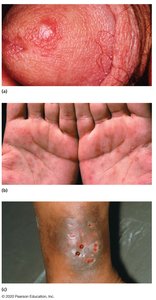
Treponema pallidum pallidum: Disease Progression
Untreated syphilis progresses through four phases: primary, secondary, latent, and tertiary. Congenital syphilis occurs when an infected mother transmits Treponema to her fetus, potentially resulting in fetal death, intellectual disability, or malformation.
Primary phase: Characterized by the appearance of a painless chancre at the site of infection.
Secondary phase: Involves skin rashes and mucous membrane lesions.
Latent phase: Asymptomatic period.
Tertiary phase: Severe complications affecting multiple organs.
Congenital syphilis: Transplacental transmission to fetus.
Treponema pallidum pallidum: Diagnosis, Treatment, and Prevention
Diagnosis is primarily based on antibody tests against bacterial antigens. Tertiary syphilis is difficult to diagnose. Penicillin is the drug of choice for treatment, but it is ineffective against tertiary syphilis. Prevention relies on abstinence, monogamy, and safe sex practices.
Nonveneral Treponema Diseases
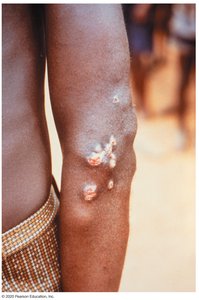
Nonveneral treponemal diseases are primarily seen in impoverished children living in unsanitary conditions and cause skin lesions. These include:
Bejel (endemic syphilis): Caused by T. pallidum endemicum.
Yaws: Caused by T. pallidum pertenue.
Pinta: Caused by T. carateum.
Treatment: Penicillin is effective.
Prevention: Limiting contact with skin lesions.
Borrelia: Lyme Disease
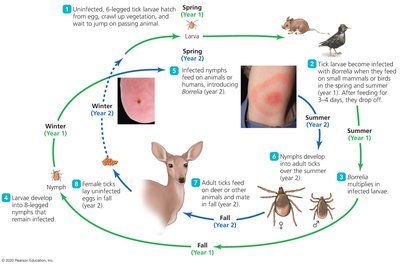
Borrelia burgdorferi is the causative agent of Lyme disease, which is transmitted to humans by tick bites, specifically by hard ticks of the genus Ixodes. Understanding the tick life cycle is crucial for comprehending the spread of Lyme disease.
Tick vector: Hard ticks (Ixodes) transmit the bacteria.
Life cycle: Involves multiple stages and hosts, including deer and rodents.
Borrelia: Lyme Disease Signs and Symptoms
Lyme disease presents a broad range of signs and symptoms in untreated patients, progressing through three phases:
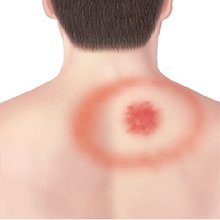
Phase 1: Expanding red "bull’s-eye" rash at the infection site.
Phase 2: Neurological symptoms and cardiac dysfunction.
Phase 3: Severe arthritis that can persist for years.
Increase in cases: Due to closer association between humans and Borrelia-infected ticks.

Borrelia: Diagnosis, Treatment, and Prevention
Diagnosis is based on clinical signs, symptoms, and serological tests. Antimicrobial drugs are effective in the first stage, but treatment of later stages is difficult. Symptoms are primarily due to the immune response. Prevention is best achieved by avoiding ticks.
Borrelia: Relapsing Fever
Relapsing fever is caused by Borrelia recurrentis (louse-borne) and several other Borrelia species (tick-borne). It is characterized by recurring episodes of septicemia and fever, resulting from the body's repeated efforts to remove the spirochetes.
Louse-borne: Transmitted by human body louse; occurs in Africa and South America.
Tick-borne: Transmitted by soft ticks; occurs worldwide.
Diagnosis: Observation of spirochetes in blood.
Treatment: Antimicrobial drugs.
Prevention: Avoidance of ticks and lice, good hygiene, and use of repellents.
Leptospira: Leptospira interrogans and Leptospirosis
Leptospira interrogans is a motile, obligate aerobic bacterium found in numerous wild and domestic animals. Leptospirosis occurs when the bacteria enter through the skin or mucous membranes and travel via the bloodstream, causing hemorrhaging and liver and kidney dysfunction. The disease is treated with intravenous penicillin, but eradication is impractical due to animal reservoirs. Vaccines are available for livestock and pets.
Vibrio: Structure and Characteristics
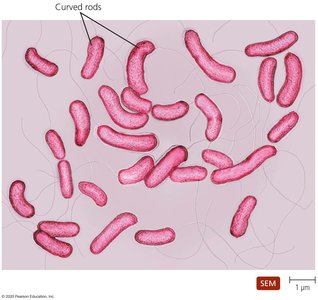
Members of the genus Vibrio share many characteristics with enteric bacteria, including the presence of O antigen. They are oxidase positive and possess polar flagella. Vibrio species are found in water environments worldwide.
Vibrio cholerae: Pathogenesis, Epidemiology, and Disease
Vibrio cholerae is the most common species to infect humans, capable of surviving in freshwater. Cholera is contracted by ingesting contaminated food and water, especially in areas with poor sewage and water treatment.
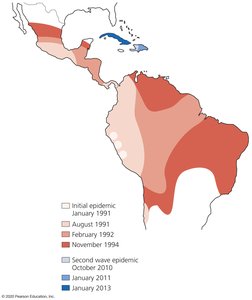
Vibrio cholerae: Cholera Disease Mechanism
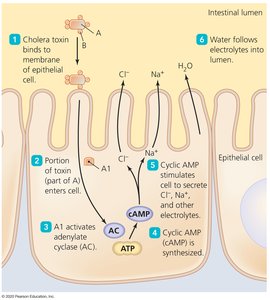
Cholera is characterized by "rice-water stool" and rapid dehydration. The most important virulence factor is cholera toxin, which causes severe loss of fluid and electrolytes, leading to metabolic acidosis, shock, and high mortality if untreated.
Cholera toxin mechanism: Activates adenylate cyclase, increasing cAMP and causing secretion of electrolytes and water into the intestinal lumen.
Vibrio cholerae: Diagnosis, Treatment, and Prevention
Diagnosis is usually based on the characteristic diarrhea. Treatment involves fluid and electrolyte replacement, and antimicrobial drugs can reduce exotoxin production. Prevention relies on proper sewage and water treatment and oral vaccination.
Other Vibrio Diseases
Other pathogenic Vibrio species include:
V. parahaemolyticus: Causes cholera-like gastroenteritis from shellfish infection.
V. vulnificus: Causes septicemia and wound infections, often fatal if untreated.
Campylobacter jejuni: Gastroenteritis
Campylobacter jejuni is likely the most common cause of gastroenteritis in the United States. Many animals serve as reservoirs, and humans are infected by consuming contaminated food, milk, or water, with poultry being the most common source. Infections produce self-limiting bloody and frequent diarrhea. Proper food handling and preparation can reduce spread.
Helicobacter pylori: Gastritis and Peptic Ulcers
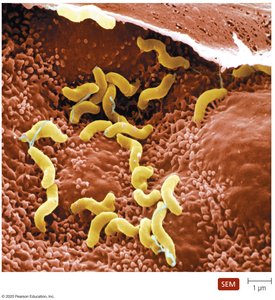
Helicobacter pylori is a slightly helical, motile bacterium that colonizes the stomach. It is acquired by ingestion from contaminated hands, well water, or fomites. H. pylori causes gastritis and most peptic ulcers, aided by numerous virulence factors:
Proteins: Inhibit production of stomach acid.
Flagella: Help burrow through stomach lining.
Adhesins: Facilitate binding to gastric cells.
Urease: Neutralizes stomach acid.
Helicobacter pylori: Diagnosis, Treatment, and Prevention
The presence of H. pylori can be demonstrated by a positive urease test and confirmed by biochemical tests. Treatment includes antimicrobial drugs and drugs that inhibit acid production. Prevention involves good hygiene, adequate sewage treatment, and proper food handling.
Distinguishing Vibrio from Enteric Bacteria
Vibrio can be distinguished from enteric bacteria by their polar flagella and oxidase positivity, whereas enteric bacteria typically have peritrichous flagella and are oxidase negative.
Why Syphilis Cannot Be Contracted from Inanimate Objects
Treponema pallidum has very specific growth requirements and dies quickly outside the human body, making transmission from inanimate objects impossible.
First Distinctive Sign of Lyme Disease
The first distinctive sign of Lyme disease is the appearance of a "bull’s-eye" rash at the site of infection.
