 Back
BackThe Prokaryotes: Domains Bacteria and Archaea – Structure, Diversity, and Pathogenicity
Study Guide - Smart Notes
 Tailored notes based on your materials, expanded with key definitions, examples, and context.
The Prokaryotic Domains: Bacteria and Archaea
Overview of Prokaryotic Classification
Prokaryotes are divided into two major domains: Bacteria and Archaea. These domains are distinguished by differences in cell wall composition, rRNA signatures, and other molecular characteristics. Bacteria possess peptidoglycan in their cell walls, while Archaea have pseudomurein and unique rRNA signatures.

Domain Bacteria: Includes Gram-negative (Proteobacteria, Nonproteobacteria) and Gram-positive (Low G+C, High G+C) groups.
Domain Archaea: Characterized by extremophiles, including halophiles, thermophiles, and methanogens.
Domain Bacteria: Proteobacteria
General Features of Proteobacteria
Proteobacteria represent the largest taxonomic group of bacteria, primarily Gram-negative and chemoheterotrophic. They are classified into five classes: Alpha, Beta, Gamma, Delta, and Epsilonproteobacteria, based on nucleotide sequence homology.
Alphaproteobacteria
Alphaproteobacteria are notable for their diverse morphologies and metabolic capabilities. Some possess prosthecae (stalks or buds) for adherence and thrive in low-nutrient environments. Several are important human pathogens.
Bartonella henselae: Gram-negative rod causing cat-scratch disease. Transmission occurs via cat scratches, with cats infected by fleas. The disease is usually self-limiting in healthy individuals but may require antibiotics in severe cases.
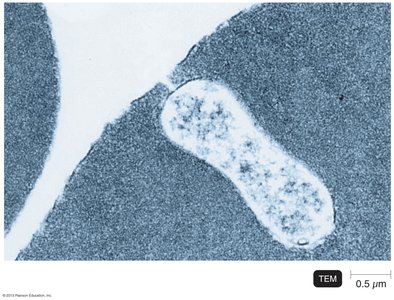
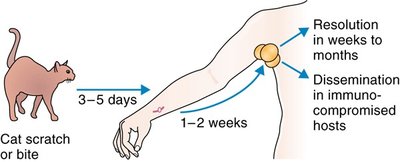
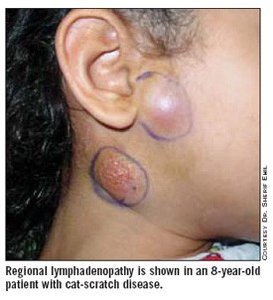
Symptoms: Papule at scratch site, chills, lymphadenopathy, fatigue, muscle pain, and flu-like symptoms.
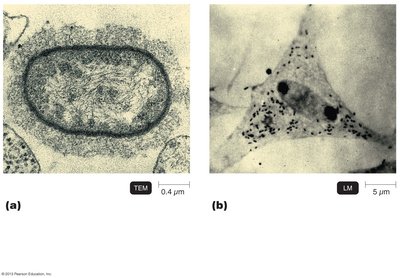
Obligate Intracellular Parasites: Includes Ehrlichia (tickborne ehrlichiosis) and Rickettsia (arthropod-borne spotted fevers).
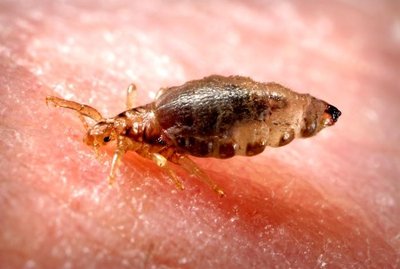
Rickettsia prowazekii: Causes epidemic typhus, transmitted by human body lice. Symptoms include fever, rash, neurological signs, and can be fatal if untreated. Treated with tetracyclines and chloramphenicol.
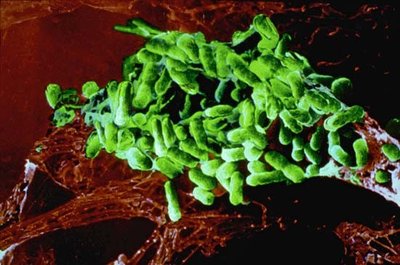
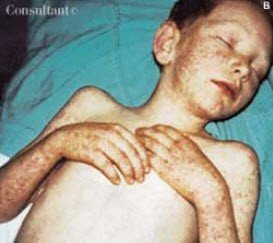
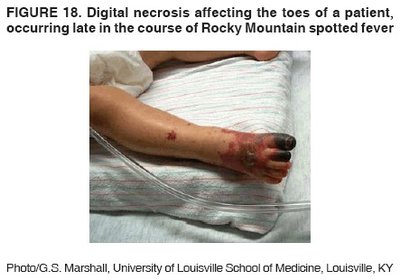
Rickettsia rickettsii: Causes Rocky Mountain spotted fever, transmitted by ticks. Infects endothelial cells, causing a characteristic rash and potentially severe complications.
Betaproteobacteria
Key Pathogens
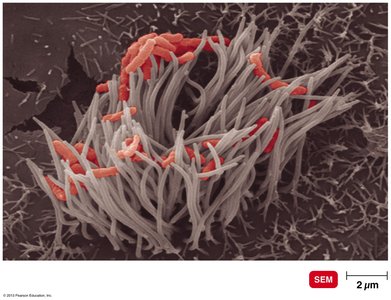
Bordetella pertussis: Gram-negative coccobacillus causing whooping cough. Produces toxins that damage ciliated respiratory cells and impair immune responses. Transmission is via aerosolized droplets. Prevented by DTaP vaccine.
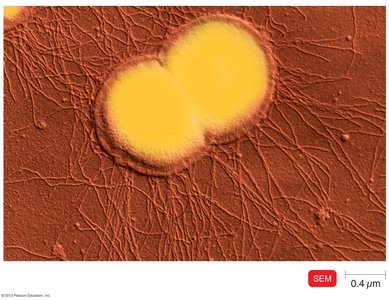
Neisseria gonorrhoeae: Aerobic, Gram-negative cocci causing gonorrhea. Attaches to mucous membranes using fimbriae and Opa proteins. Can lead to complications such as endocarditis, meningitis, and arthritis if untreated. Treated with dual antibiotic therapy, but resistance is increasing.
Gammaproteobacteria
Major Pathogens and Diseases
Yersinia pestis: Causative agent of plague (bubonic, septicemic, pneumonic). Transmitted by fleas and aerosols. Symptoms vary by form and can be rapidly fatal without prompt antibiotic treatment.

Pseudomonas aeruginosa: Opportunistic pathogen causing infections in burns, wounds, and cystic fibrosis patients. Notable for metabolic diversity and antibiotic resistance.
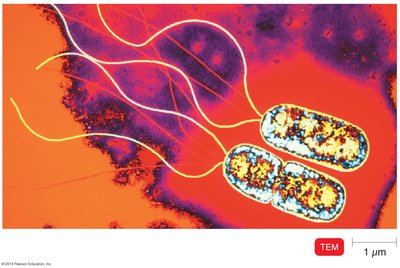
Legionella pneumophila: Causes Legionnaires' disease, a severe pneumonia. Found in water systems and transmitted via aerosols.
Vibrio cholerae: Causes cholera, characterized by severe watery diarrhea due to cholera toxin. Treatment involves rehydration and antibiotics.
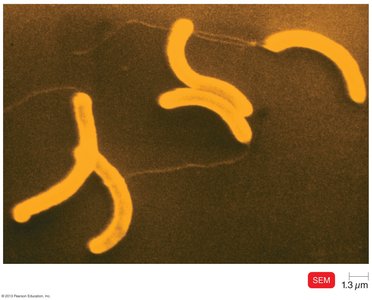
Escherichia coli: Includes pathogenic strains causing gastroenteritis (EPEC, EIEC, EAEC, EHEC). EHEC O157:H7 produces Shiga toxin, leading to hemolytic uremic syndrome.
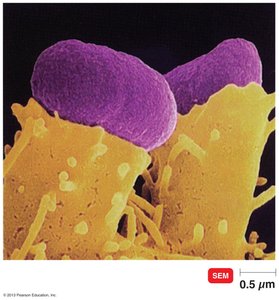
Epsilonproteobacteria
Key Genera
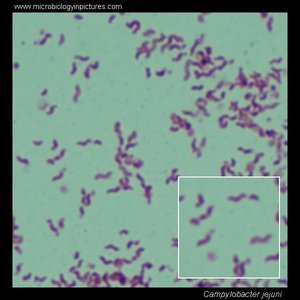
Campylobacter jejuni: Common cause of foodborne gastroenteritis. Associated with animal feces and can lead to Guillain–Barré syndrome.
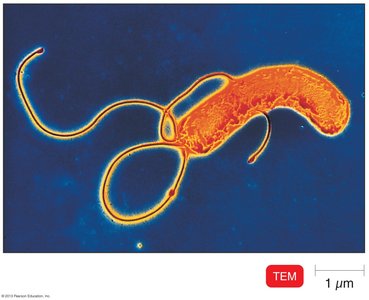
Helicobacter pylori: Linked to peptic ulcers and stomach cancer. Treated with triple therapy (proton pump inhibitor and antibiotics).
Nonproteobacteria Gram-Negative Bacteria
Bacteroidetes and Fusobacterium
Bacteroides: Anaerobes found in the large intestine; can cause infections after bowel perforation.
Fusobacterium: Found in the mouth; may be involved in dental diseases.
Chlamydias
Obligate intracellular parasites with a unique developmental cycle involving elementary and reticulate bodies.
Chlamydia trachomatis: Causes trachoma (leading to blindness), urethritis, and lymphogranuloma venereum (LGV).
Chlamydophila pneumoniae: Causes mild pneumonia in young adults.
Chlamydophila psittaci: Causes psittacosis, a zoonotic infection from birds.
Spirochetes
Structure and Pathogenicity
Spirochetes are coiled, motile bacteria that move via axial filaments (endoflagella), allowing corkscrew motion. Notable pathogens include Treponema pallidum, the causative agent of syphilis.
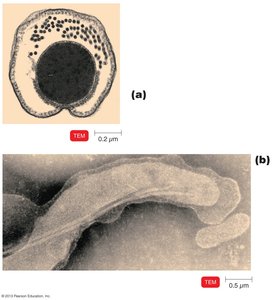
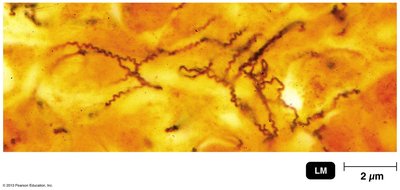
Syphilis Stages: Primary (chancre), secondary (rash), latent (no symptoms), tertiary (gummas). Treated with benzathine penicillin.
Gram-Positive Bacteria
Classification
Gram-positive bacteria are divided based on their G+C content into low G+C (Firmicutes) and high G+C (Actinobacteria) groups.
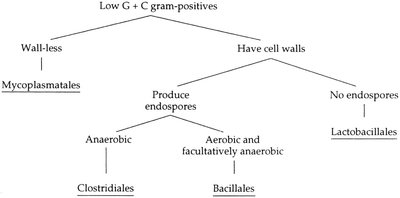
Firmicutes (Low G+C Gram-Positives)
Clostridiales (Clostridium): Endospore-forming, obligate anaerobes. Includes C. tetani (tetanus), C. botulinum (botulism), and C. difficile (antibiotic-associated colitis).
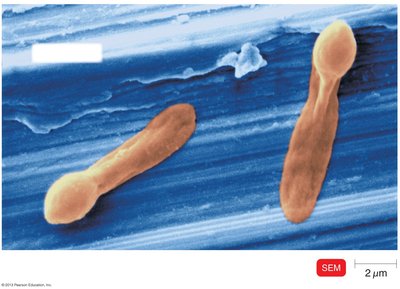
Tetanus: Caused by C. tetani. Tetanospasmin toxin blocks muscle relaxation, leading to spastic paralysis. Prevented by DTaP vaccine.
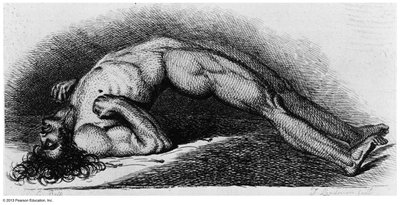
Botulism: Caused by C. botulinum. Botulinum toxin blocks neurotransmitter release, causing flaccid paralysis. Prevention includes proper food handling and canning.
Bacillales: Includes Bacillus (endospore-forming rods, e.g., B. anthracis causing anthrax) and Staphylococcus (cocci).
Domain Archaea
Diversity and Extremophiles
Archaea are prokaryotes lacking peptidoglycan and are often extremophiles. Major groups include:
Methanogens: Produce methane anaerobically.
Extreme halophiles: Thrive in high-salt environments.
Extreme thermophiles: Grow at very high temperatures, often above 80°C.
Group/Genera | Characteristics | Phylum |
|---|---|---|
Methanogens—Methanospirillum, Methanosarcina | Generate methane using H2 and CO2 | Euryarchaeota |
Extreme halophiles—Halobacterium, Halorubrum | Grow in saturated salt solutions | Euryarchaeota |
Extreme thermophiles—Pyrodictium, Sulfolobus | Grow at >100°C, acidophilic or sulfur-metabolizing | Crenarchaeota, Euryarchaeota, Nanoarchaeota |
Microbial Diversity
Modern molecular techniques, such as PCR, reveal that microbial diversity is vast, with thousands of bacterial species per gram of soil. Many bacteria remain uncultured and are part of complex ecological networks.
