Ch. 9 - Controlling Microbial Growth in the Environment
Bauman - Microbiology with Diseases by Taxonomy 6th Edition
Bauman6th EditionMicrobiology with Diseases by TaxonomyISBN: 9780134832302Not the one you use?Change textbook
Chapter 9, Problem 14

What are some advantages and disadvantages of using ionizing radiation to sterilize food?

Verified step by step guidance
1
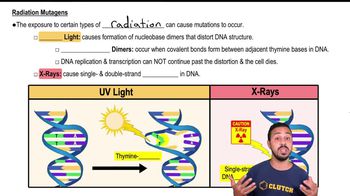
Step 1: Understand what ionizing radiation is and how it works in food sterilization. Ionizing radiation involves high-energy rays (such as gamma rays, X-rays, or electron beams) that can penetrate food and kill microorganisms by damaging their DNA and cellular structures.
Step 2: Identify the advantages of using ionizing radiation for food sterilization. These include its ability to effectively kill bacteria, viruses, and parasites without raising the temperature of the food, thus preserving the food's texture, flavor, and nutritional value.
Step 3: Recognize that ionizing radiation can penetrate packaged foods, allowing sterilization after packaging, which reduces the risk of recontamination.
Step 4: Consider the disadvantages, such as the potential for changes in food chemistry that might affect taste or texture in some foods, and the public perception or consumer concerns about irradiated food safety.
Step 5: Note the regulatory and cost factors, including the need for specialized equipment, safety precautions for workers, and compliance with food safety regulations, which can limit widespread use.

Verified video answer for a similar problem:

This video solution was recommended by our tutors as helpful for the problem above.
Video duration:
1m
Was this helpful?

Key Concepts

Here are the essential concepts you must grasp in order to answer the question correctly.

Ionizing Radiation

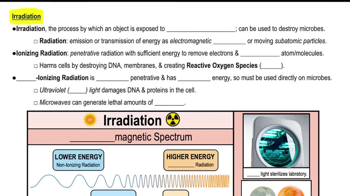
Ionizing radiation refers to high-energy radiation, such as gamma rays, X-rays, or electron beams, that can remove tightly bound electrons from atoms, creating ions. It is used in food sterilization to kill microorganisms by damaging their DNA and cellular structures, effectively reducing spoilage and pathogens.
Recommended video:
Guided course
02:55
Radiation Mutagens

Advantages of Ionizing Radiation in Food Sterilization

Advantages include effective microbial inactivation without raising food temperature, preserving nutritional and sensory qualities. It extends shelf life, reduces the risk of foodborne illnesses, and can penetrate packaging, allowing sterilization after packaging.
Recommended video:

Disadvantages of Ionizing Radiation in Food Sterilization

Disadvantages include potential changes in food texture or flavor, consumer concerns about safety, and the need for specialized equipment and regulatory approval. Some nutrients may degrade, and improper dosing can lead to incomplete sterilization or food damage.
Recommended video: