 Back
BackAchieving a Healthy Diet: Nutrition Fundamentals and Guidelines
Study Guide - Smart Notes
 Tailored notes based on your materials, expanded with key definitions, examples, and context.
Tools for Healthful Eating
A Healthy Philosophy toward Food
Nutrition is fundamental to health, supporting energy production, metabolic activity, and prevention of micronutrient deficiencies and chronic diseases. Eating fresh, natural whole foods is essential for overall well-being.
Energy Production: Nutrients from food fuel cellular processes and physical activity.
Metabolic Activity: Proper nutrition supports metabolism and bodily functions.
Micronutrient Deficiency Prevention: Adequate intake of vitamins and minerals prevents deficiency-related diseases.
Chronic Disease Prevention: Healthy eating patterns reduce risk for conditions like heart disease and diabetes.
Overall Well-being: Good nutrition promotes mental and physical health.
Example: Consuming a variety of fruits and vegetables daily supports immune function and reduces disease risk.

Undernutrition, Overnutrition, and Malnutrition
Malnutrition occurs when the body does not receive proper amounts of nutrients, which can result from inadequate or excessive intake, digestive issues, or medical conditions.
Malnutrition: Imbalance in nutrient intake, leading to health issues.
Undernutrition: Insufficient nutrient intake, causing deficiencies.
Overnutrition: Excessive intake of nutrients, potentially leading to obesity and chronic diseases.
Example: A diet lacking in iron can cause anemia, while excessive calorie intake can lead to obesity.

The Human Body & Healing
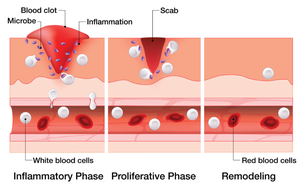
The Healing Process
Proper nutrition is vital for healing, as specific nutrients play key roles in tissue repair and recovery.
Vitamin A: Supports epithelial tissue and bone cell formation.
Vitamin C: Essential for collagen synthesis.
Zinc: Facilitates protein synthesis and collagen formation.
Protein: Necessary for tissue formation and repair.
Fats: Integral to cell membrane formation and function.
Carbohydrates: Provide energy for cellular activity and the inflammatory response.
Example: After surgery, a diet rich in protein and vitamin C aids wound healing.
Tools for Healthful Eating
Components of a Healthy Diet
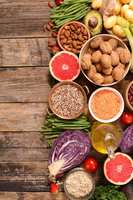
A healthy diet is characterized by adequacy, balance, calorie control, moderation, and variety. These principles ensure all nutrient needs are met without excess.
Adequacy: Provides all nutrients, fiber, and energy in sufficient amounts.
Balance: Supplies various types of foods in proportion to one another.
Calorie Control: Matches energy intake to energy expenditure.
Moderation: Avoids extremes in food consumption.
Variety: Includes different foods from each food group regularly.
Example: A meal with lean protein, whole grains, and vegetables exemplifies balance and variety.
Tools for Healthful Eating
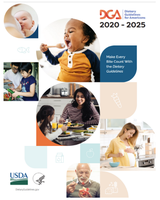
Dietary Guidelines for Americans, 2020–2025
The Dietary Guidelines for Americans provide evidence-based recommendations to promote health, maintain weight, and reduce chronic disease risk.
Guideline 1: Follow a healthy dietary pattern at every life stage.
Guideline 2: Customize nutrient-dense food choices to reflect preferences, traditions, and budget.
Guideline 3: Meet food group needs with nutrient-dense foods and stay within calorie limits.
Guideline 4: Limit foods high in added sugars, saturated fat, sodium, and alcohol.
Example: Choosing whole grains and limiting sugary beverages aligns with these guidelines.
Food Safety & Regulation
National Goals for Nutrition and Health: Healthy People 2030
The Healthy People 2030 initiative aims to improve health by promoting healthy eating, increasing access to nutritious foods, and encouraging physical activity.
Nutrition Goal: Promote healthy eating and make nutritious foods available.
Physical Activity Goal: Improve health, fitness, and quality of life through regular activity.
Objectives: Education, access to healthy foods, and promotion of physical activity.
Example: Community programs that provide nutrition education and access to fresh produce.
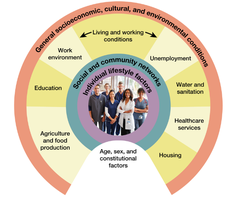
Tools for Healthful Eating
Recommendations for Optimal Health: MyPlate
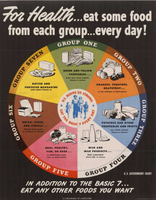
MyPlate is a visual guide for building a healthy plate, emphasizing fruits, vegetables, whole grains, protein, and low-fat dairy.
Half Plate: Fruits and vegetables.
Quarter Plate: Whole grains.
Quarter Plate: Protein sources.
Dairy: Low-fat or non-fat options.
Example: A meal with grilled chicken, brown rice, steamed broccoli, and low-fat yogurt.
Tools for Healthful Eating
Understanding Dietary Reference Intakes (DRIs)
DRIs are a set of nutrient recommendations used to assess and plan dietary intake for healthy individuals.
Estimated Average Requirements (EARs): Average daily nutrient intake estimated to meet the needs of half the healthy individuals.
Recommended Dietary Allowances (RDAs): Average daily intake sufficient for nearly all healthy individuals.
Adequate Intakes (AIs): Used when RDA cannot be determined; based on observed or experimentally determined estimates.
Tolerable Upper Intake Levels (ULs): Maximum daily intake unlikely to cause adverse health effects.
Acceptable Macronutrient Distribution Ranges (AMDRs): Range of intake for energy-yielding macronutrients.
Example: The RDA for vitamin C for adults is 90 mg for men and 75 mg for women.
DRI Graph
The DRI graph illustrates the relationship between nutrient intake and risk of deficiency or excess.
Low intake increases risk of deficiency.
Intake within recommended range reduces risk.
Excessive intake increases risk of toxicity.
Tools for Healthful Eating
Discovering Nutrition Facts
The Nutrition Facts panel on packaged foods provides information about serving size, calories, and nutrient content, helping consumers make informed choices.
Serving Size: Amount of food per serving.
Calories: Energy provided per serving.
Nutrients: Amounts of fat, protein, carbohydrates, vitamins, and minerals.
Percent Daily Value (%DV): Indicates how much a nutrient in a serving contributes to a daily diet (based on 2,000 calories).
Example: Comparing two cereals for fiber content using %DV.
Tools for Healthful Eating
When Enough Is Enough: Portion Sizes
Understanding and controlling portion sizes is essential for maintaining a healthy diet and preventing overconsumption.
Portion Control: Use household objects or the MyPlate guide to estimate portions.
Example: A serving of meat is about the size of a deck of cards.
Tools for Healthful Eating
Nutrition and the Media: Reliable Information
Reliable nutrition information comes from credible sources and is based on scientific evidence published in peer-reviewed journals.
Credible Sources: USDA, Academy of Nutrition and Dietetics, American Society for Nutrition, HHS, CDC, Dietitians of Canada, Health Canada.
Peer-Reviewed Research: Ensures accuracy and reliability.
Example: Using the USDA Food and Nutrition Information Center for dietary guidelines.
Key Points for Evaluating Nutrition News
Check if the study is peer-reviewed.
Review methods and subjects.
Look for context with previous research.
Ask critical questions about the findings.
