 Back
BackCarbohydrate Digestion, Absorption, and Dietary Fiber: A Comprehensive Study Guide
Study Guide - Smart Notes
 Tailored notes based on your materials, expanded with key definitions, examples, and context.
Carbohydrate Digestion and Absorption
Overview of Carbohydrate Sources
Carbohydrates are a primary energy source in the human diet, found in a variety of foods such as dairy (lactose), fruits and vegetables (sucrose, glucose, fructose), grains (starch), and plant-based foods (fiber). For example, a pizza contains lactose from cheese, sucrose and fructose from tomatoes and added sugar, starch from flour, and fiber from vegetables and grains.
Mechanical and Chemical Digestion in the Mouth
Digestion begins in the mouth with both mechanical and enzymatic processes:
Mechanical digestion: Chewing breaks food into smaller pieces, increasing surface area for enzymes.
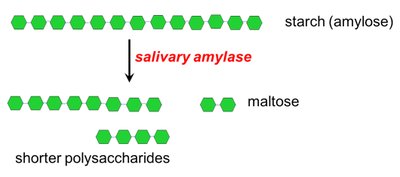
Salivary amylase: This enzyme initiates the breakdown of starch (amylose) into shorter polysaccharides and maltose (a disaccharide).
Carbohydrate Digestion in the Stomach
In the stomach, the acidic environment (low pH) inactivates salivary amylase, halting enzymatic carbohydrate digestion. Mechanical digestion continues, but little to no chemical digestion of carbohydrates occurs here.
Carbohydrate Digestion in the Small Intestine
The majority of carbohydrate digestion occurs in the small intestine, involving several enzymes:
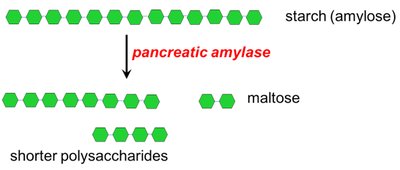
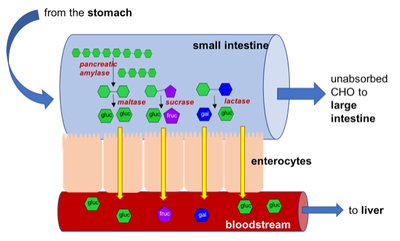
Pancreatic amylase: Secreted by the pancreas, it continues the breakdown of starch into maltose and oligosaccharides (3-10 glucose units).
Brush border enzymes: Produced by enterocytes (intestinal cells), these enzymes complete the digestion of disaccharides into monosaccharides.
Brush Border Enzymes and Final Digestion
Specific enzymes at the brush border of the small intestine hydrolyze disaccharides:
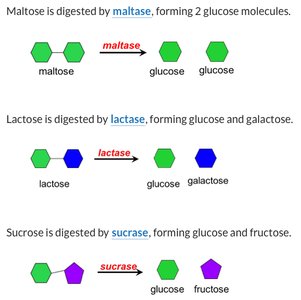
Maltase: Converts maltose into two glucose molecules.
Lactase: Converts lactose into glucose and galactose.
Sucrase: Converts sucrose into glucose and fructose.
Absorption of Monosaccharides
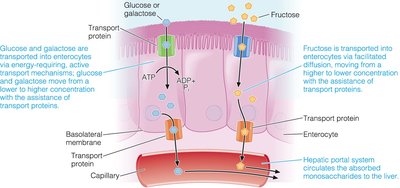
Monosaccharides (glucose, fructose, galactose) are absorbed by enterocytes in the small intestine and transported to the liver via the hepatic portal vein. In the liver, fructose and galactose are converted to glucose, which is the main carbohydrate circulating in the bloodstream.
Glucose and galactose: Absorbed via active transport (requires ATP).
Fructose: Absorbed via facilitated diffusion.
Carbohydrate Digestion in the Large Intestine (Colon)
Undigested carbohydrates, mainly dietary fiber, pass into the colon. No enzymatic digestion occurs here, but gut bacteria ferment these carbohydrates, producing gases and short-chain fatty acids (SCFAs) that can benefit colon health.
Dietary Fiber: Types, Functions, and Health Benefits
Types of Dietary Fiber
Dietary fiber consists of non-digestible carbohydrates and lignin that are intrinsic and intact in plants. Major types include:
Soluble fiber: Dissolves in water, forms gels, and is fermentable by gut bacteria (e.g., pectin, beta-glucan, gums, inulin, psyllium husk).
Insoluble fiber: Does not dissolve in water, is not fermentable, and adds bulk to stool (e.g., cellulose, some hemicelluloses, lignin).

Health Benefits of Dietary Fiber
Improved glycemic control: Slows glucose absorption, reducing risk of type 2 diabetes.
Weight management: Increases satiety and slows gastric emptying.
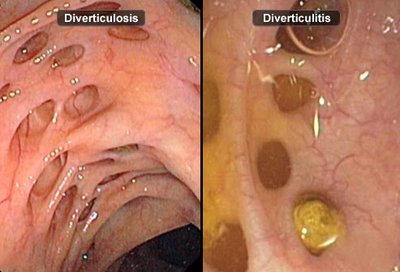
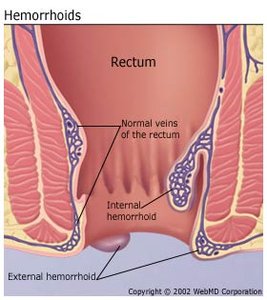
Digestive health: Promotes regular bowel movements, prevents constipation, and lowers risk of diverticulitis and hemorrhoids.
Cardiovascular health: Soluble fiber may lower LDL cholesterol by binding bile acids.
Gut health: Fermentable fibers feed beneficial gut microbes, producing SCFAs that support immune function and gut barrier integrity.
Prebiotics
Prebiotics are fermentable fibers that selectively stimulate the growth and/or activity of beneficial gut bacteria. Common prebiotics include inulin, oligofructose, acacia gum, and wheat dextrin. They are often added to foods to promote gut health.
Insoluble Fiber and Gastrointestinal Disorders
Insoluble fiber is not digested by human enzymes or most gut bacteria. It increases stool bulk, requires more chewing, and helps prevent diverticulitis and hemorrhoids by promoting regular bowel movements and reducing intestinal pressure.
Diverticulitis and Hemorrhoids
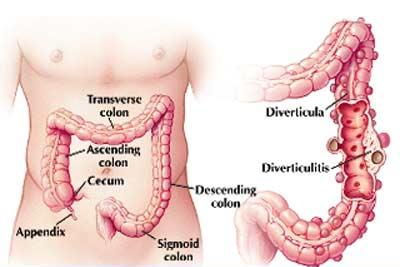
Low-fiber diets are associated with increased risk of diverticulitis (inflammation of colon pouches) and hemorrhoids (swollen veins in the rectum). Adequate fiber intake helps prevent these conditions by maintaining healthy bowel function.
Whole Grains and Fiber Intake
Whole Grain Structure and Benefits
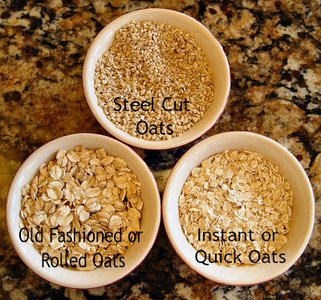
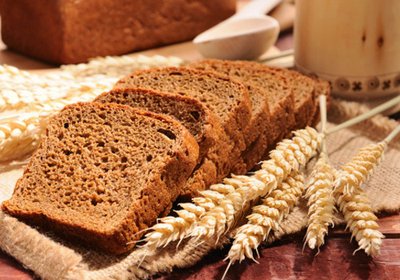
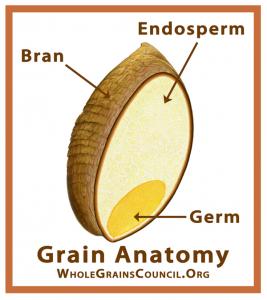
Whole grains contain all parts of the grain kernel: bran, germ, and endosperm. They are rich in fiber, vitamins, and minerals, and are associated with reduced risk of chronic diseases.
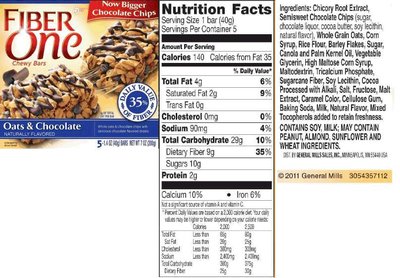
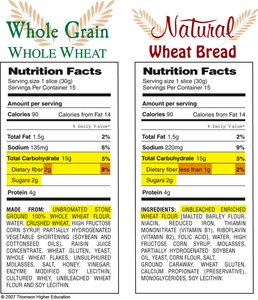
Reading Nutrition Labels for Fiber Content
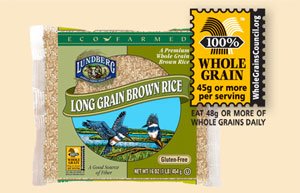
Nutrition labels provide information on dietary fiber content. Whole grain products typically have higher fiber content than refined grain products. Comparing labels helps consumers make informed choices for increasing fiber intake.
Common Sources of Dietary Fiber
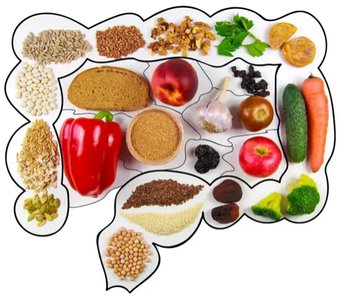
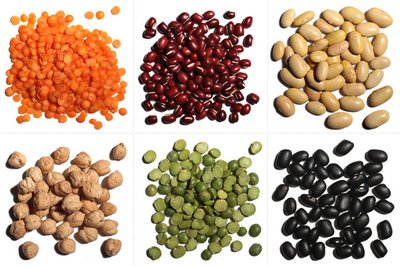
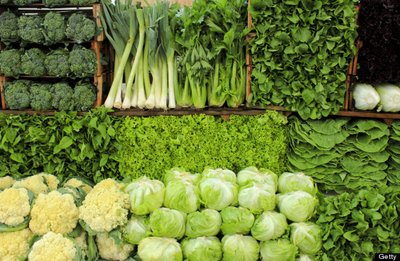
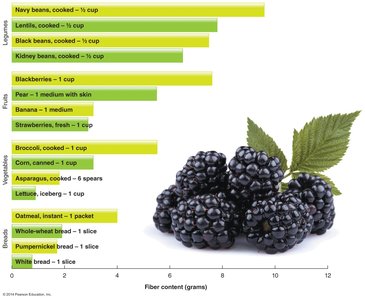
High-fiber foods include legumes, whole grains, fruits, vegetables, and certain processed foods with added fiber. The recommended intake is 25 g/day for women and 36 g/day for men, or 14 g per 1000 kcal consumed.
Summary Table: Carbohydrate Digestion and Absorption
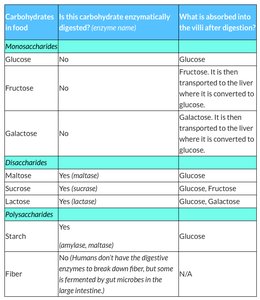
The following table summarizes the enzymatic digestion and absorption of various carbohydrates:
Carbohydrates in food | Is this carbohydrate enzymatically digested? (enzyme name) | What is absorbed into the villi after digestion? |
|---|---|---|
Glucose | No | Glucose |
Fructose | No | Fructose (converted to glucose in liver) |
Galactose | No | Galactose (converted to glucose in liver) |
Maltose | Yes (maltase) | Glucose |
Sucrose | Yes (sucrase) | Glucose, Fructose |
Lactose | Yes (lactase) | Glucose, Galactose |
Starch | Yes (amylase, maltase) | Glucose |
Fiber | No (fermented by gut microbes in large intestine) | N/A |
Key Equations and Concepts
General equation for carbohydrate digestion:
Recommended fiber intake:
Additional info: Adequate hydration (>64 oz/day) is recommended with high-fiber diets to prevent gastrointestinal discomfort and ensure proper bowel function.
