 Back
BackChapter 8: Minerals and Water – Essential Nutrients for Body Function
Study Guide - Smart Notes
 Tailored notes based on your materials, expanded with key definitions, examples, and context.
Water and Minerals: Essential Nutrients for Life
Importance and Functions of Water in the Body
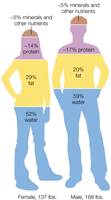
Water is the most abundant substance in the human body, making up about 60% of an average adult's body weight. It is vital for survival, as it serves as a universal solvent, transport medium, and is involved in numerous physiological processes.
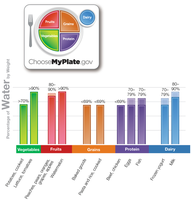
Distribution: Muscle tissue contains about 75% water, while fat tissue contains up to 20%.
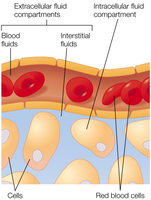
Fluid Compartments: Water is distributed between intracellular fluids (inside cells) and extracellular fluids (interstitial fluid and blood plasma).
Electrolytes: Minerals such as sodium, potassium, and chloride help maintain fluid balance across these compartments.
Functions of Water:
Acts as a solvent and medium for chemical reactions
Transports oxygen, nutrients, and hormones
Removes waste products
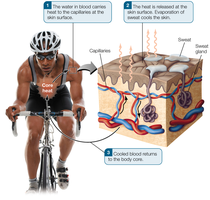
Regulates body temperature through sweating and blood flow
Lubricates joints and tissues
Provides cushioning for organs and the fetus
Water Balance and Its Maintenance
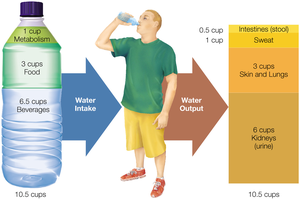
Water balance is achieved when water intake equals water output. The body maintains this balance through various mechanisms involving the kidneys, skin, lungs, and gastrointestinal tract.
Intake: Water is consumed through beverages, food, and metabolic processes.
Output: Water is lost via urine, feces, sweat, and insensible losses (evaporation from skin and lungs).
Insensible Loss: Water lost through evaporation and respiration, not easily measured.
Sensible Loss: Water lost through urine, feces, and sweat, which can be measured.
Dehydration and Overhydration
Dehydration occurs when water loss exceeds intake, while overhydration can lead to hyponatremia (low sodium levels in the blood).
Dehydration: Causes include diarrhea, vomiting, fever, and diuretics. The body responds by triggering thirst and releasing antidiuretic hormone (ADH) to conserve water.
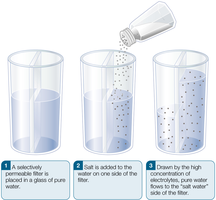
Osmosis: Water moves from areas of low solute concentration to high solute concentration to balance fluids.
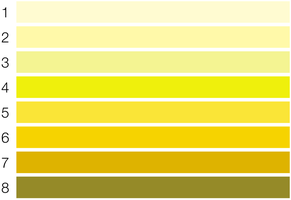
Assessment: Dehydration can be monitored by changes in body weight and urine color (darker urine indicates dehydration).
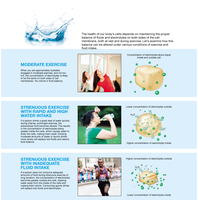
Hyponatremia: Excessive water intake dilutes blood sodium, potentially causing dangerous symptoms, especially in endurance athletes.
Daily Water Needs and Best Sources
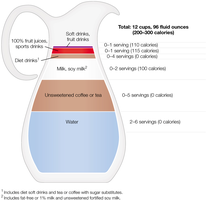
Water requirements vary based on activity, environment, and diet. Most adults need between 12–16 cups per day, with about 80% from beverages and 20% from food.
Recommendations: Men: 16 cups/day (13 from beverages); Women: 12 cups/day (9 from beverages).
Sources: Water, other beverages, and high-water-content foods such as fruits and vegetables.
Minerals: Definition, Classification, and Functions
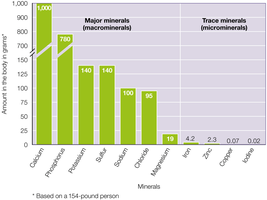
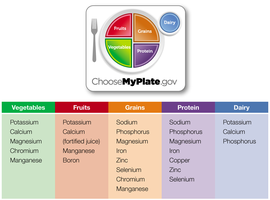
Minerals are inorganic elements essential for various physiological functions. They are classified based on the required amount: major minerals (macrominerals) and trace minerals (microminerals).
Bioavailability: The extent to which the body can absorb and use a mineral. Factors such as competition between minerals and binding substances (e.g., oxalates) affect absorption.
Major Minerals: Needed in amounts >100 mg/day (e.g., calcium, phosphorus, potassium, sulfur, sodium, chloride, magnesium).
Trace Minerals: Needed in amounts <20 mg/day (e.g., iron, zinc, copper, selenium, fluoride, chromium, iodine, manganese, molybdenum).
Functions: Fluid balance, bone health, enzyme function, hormone production, and antioxidant defense.
Toxicity: Overconsumption, usually from supplements, can be harmful.
Major Minerals: Functions, Sources, and Health Effects
Sodium
Function: Main electrolyte in extracellular fluid; regulates fluid balance and nerve transmission.
Sources: Processed foods, table salt, naturally in some foods.
Deficiency: Rare; can occur with excessive sweating or certain medical conditions.
Toxicity: Excess intake linked to hypertension (high blood pressure).
Potassium
Function: Main intracellular electrolyte; maintains fluid balance, nerve function, muscle contraction, and supports healthy blood pressure.
Sources: Fruits, vegetables, dairy, nuts, legumes.
Deficiency: Can cause muscle weakness, cramps, irregular heartbeat.
Toxicity: Rare from food; supplements can cause hyperkalemia.
Calcium
Function: Most abundant mineral; builds bones and teeth, muscle function, nerve signaling, blood clotting.
Sources: Dairy products, leafy greens, fortified foods.
Deficiency: Osteoporosis, rickets, muscle spasms.
Toxicity: Hypercalcemia, kidney stones, impaired absorption of other minerals.
Phosphorus
Function: Bone and teeth structure, energy metabolism, part of DNA/RNA, cell membranes.
Sources: Meat, dairy, nuts, legumes.
Deficiency: Rare; muscle weakness, bone pain.
Toxicity: Calcification of tissues, impaired kidney function.
Magnesium
Function: Cofactor for 300+ enzymes, muscle and nerve function, bone health, energy production.
Sources: Whole grains, nuts, leafy greens, dairy.
Deficiency: Muscle cramps, mental disorders, osteoporosis.
Toxicity: Diarrhea (from supplements), rare from food.
Chloride
Function: Maintains fluid and electrolyte balance, part of stomach acid (HCl).
Sources: Table salt, processed foods.
Deficiency: Rare.
Toxicity: Usually not a concern except with kidney disease.
Sulfur
Function: Component of amino acids and vitamins; important for protein structure.
Sources: Protein-rich foods (meat, eggs, legumes).
Deficiency/Toxicity: No known symptoms in humans.
Trace Minerals: Functions, Sources, and Health Effects
Iron
Function: Oxygen transport (hemoglobin, myoglobin), energy metabolism, immune function.
Sources: Red meat, beans, fortified grains, spinach.
Deficiency: Anemia, fatigue, impaired cognitive function.
Toxicity: Organ damage, especially in genetic disorders (hemochromatosis).
Copper
Function: Iron metabolism, antioxidant defense, connective tissue formation.
Sources: Organ meats, seafood, nuts, seeds.
Deficiency: Rare; anemia, bone abnormalities.
Toxicity: Liver damage, gastrointestinal symptoms.
Zinc
Function: Enzyme function, immune health, DNA synthesis, wound healing.
Sources: Meat, seafood, whole grains.
Deficiency: Growth retardation, impaired immunity, skin lesions.
Toxicity: Nausea, vomiting, immune suppression.
Selenium
Function: Antioxidant, thyroid hormone metabolism.
Sources: Seafood, meats, grains (soil-dependent).
Deficiency: Keshan disease (heart disorder), impaired immunity.
Toxicity: Selenosis (hair/nail loss, nerve damage).
Fluoride
Function: Strengthens teeth, prevents dental caries.
Sources: Fluoridated water, some seafood.
Deficiency: Increased risk of dental caries.
Toxicity: Fluorosis (mottled teeth, bone issues).
Chromium
Function: Enhances insulin action, may improve blood glucose control.
Sources: Whole grains, meats, some fruits and vegetables.
Deficiency: Rare; impaired glucose tolerance.
Toxicity: No known risk from food sources.
Iodine
Function: Essential for thyroid hormone synthesis, regulates metabolism.
Sources: Iodized salt, seafood, dairy.
Deficiency: Goiter, hypothyroidism, cretinism in infants.
Toxicity: Thyroid dysfunction.
Manganese
Function: Cofactor for enzymes in metabolism, bone formation.
Sources: Whole grains, nuts, leafy vegetables.
Deficiency: Rare; bone and metabolic issues.
Toxicity: Neurological symptoms (rare).
Molybdenum
Function: Cofactor for enzymes involved in amino acid metabolism.
Sources: Legumes, grains, nuts.
Deficiency/Toxicity: Rare in healthy individuals.
Summary Table: Major and Trace Minerals
Mineral | Function | Sources | Deficiency | Toxicity |
|---|---|---|---|---|
Calcium | Bones, teeth, muscle function | Dairy, leafy greens | Osteoporosis | Kidney stones |
Phosphorus | Bones, energy metabolism | Meat, dairy | Muscle weakness | Tissue calcification |
Potassium | Fluid balance, nerve function | Fruits, vegetables | Muscle cramps | Heart arrhythmia |
Sodium | Fluid balance, nerve function | Salt, processed foods | Rare | Hypertension |
Magnesium | Enzyme function, bone health | Nuts, grains | Muscle cramps | Diarrhea (supplements) |
Iron | Oxygen transport | Meat, beans | Anemia | Organ damage |
Zinc | Enzyme function, immunity | Meat, grains | Growth issues | Immune suppression |
Iodine | Thyroid hormones | Iodized salt | Goiter | Thyroid dysfunction |
